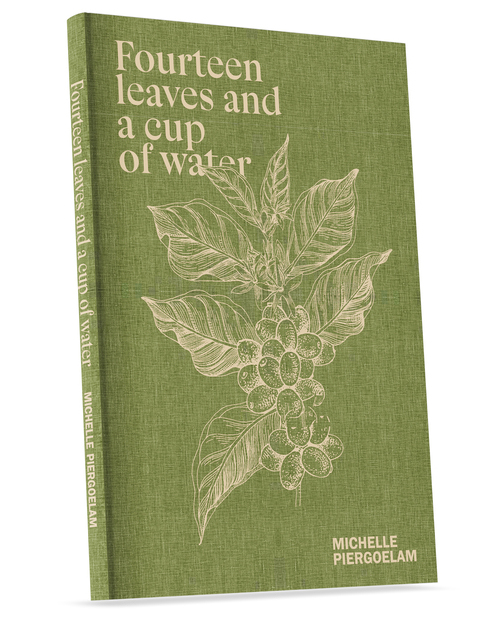
Fourteen Leaves and a Cup of Water, the book written by Michelle Piergoelam, published by The Eriskay Connection in collaboration with Naturalis Biodiversity Center, is a compelling and deeply reflective work that bridges art, history, and science to uncover overlooked narratives of resilience among enslaved communities in Suriname. At its core, the book explores the profound botanical knowledge these communities possessed—knowledge that was not only practical but also a powerful tool of survival and resistance.
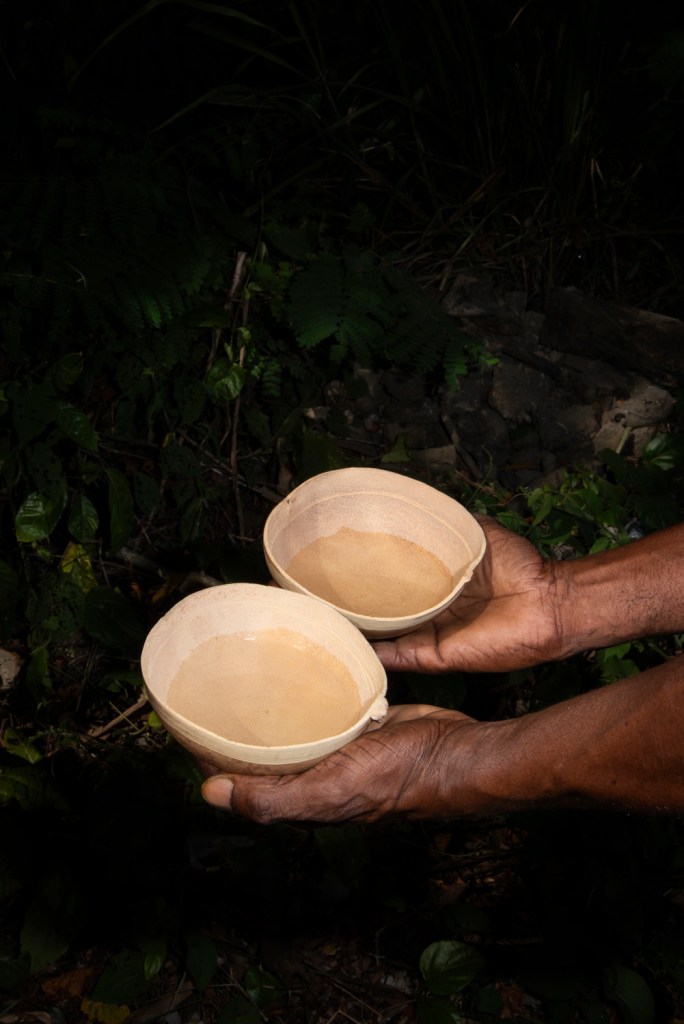
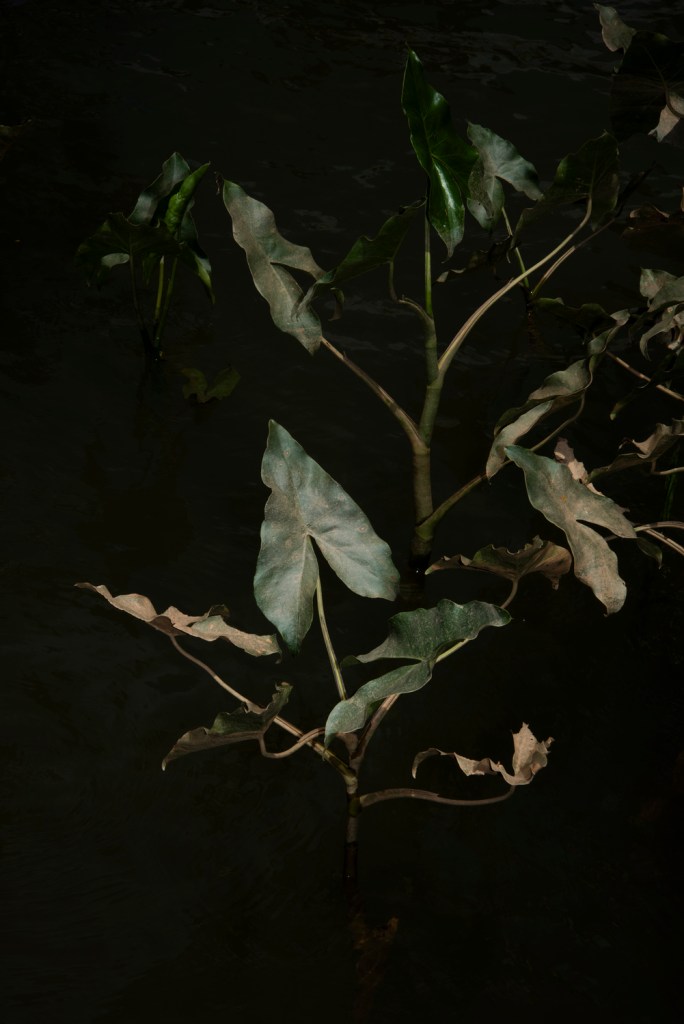
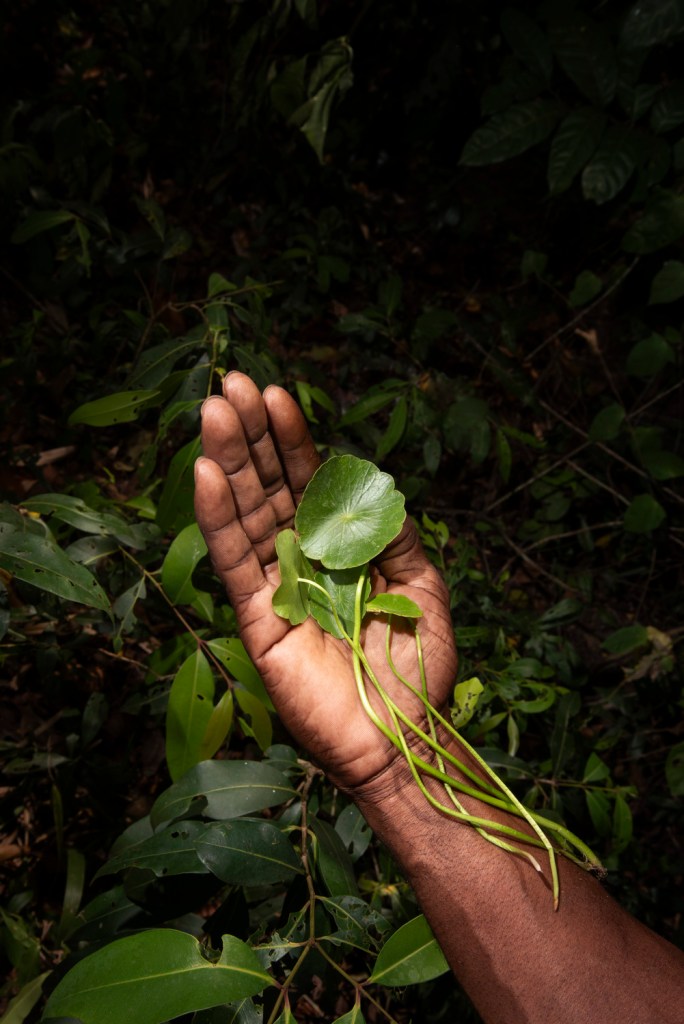
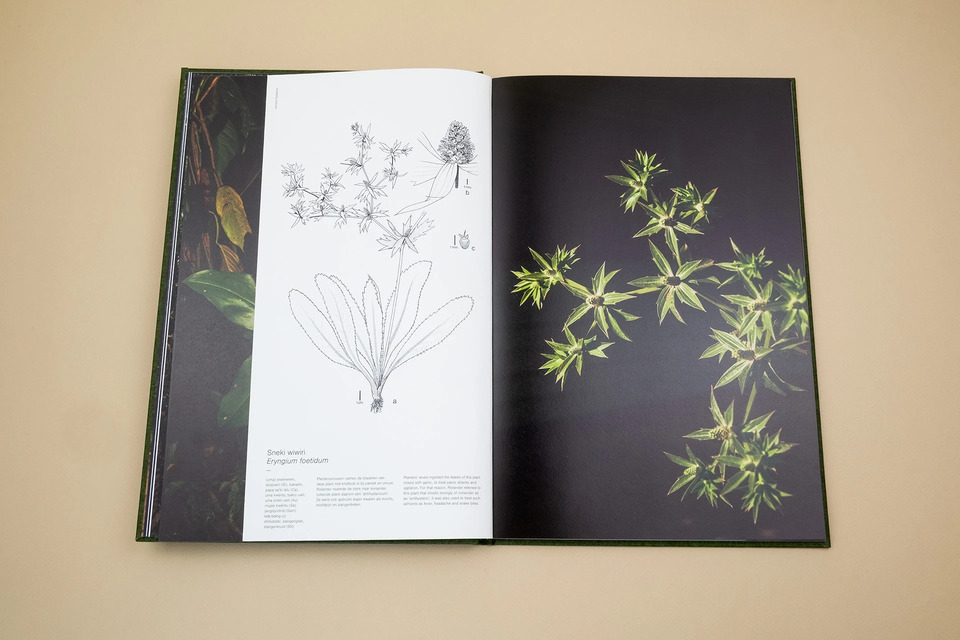
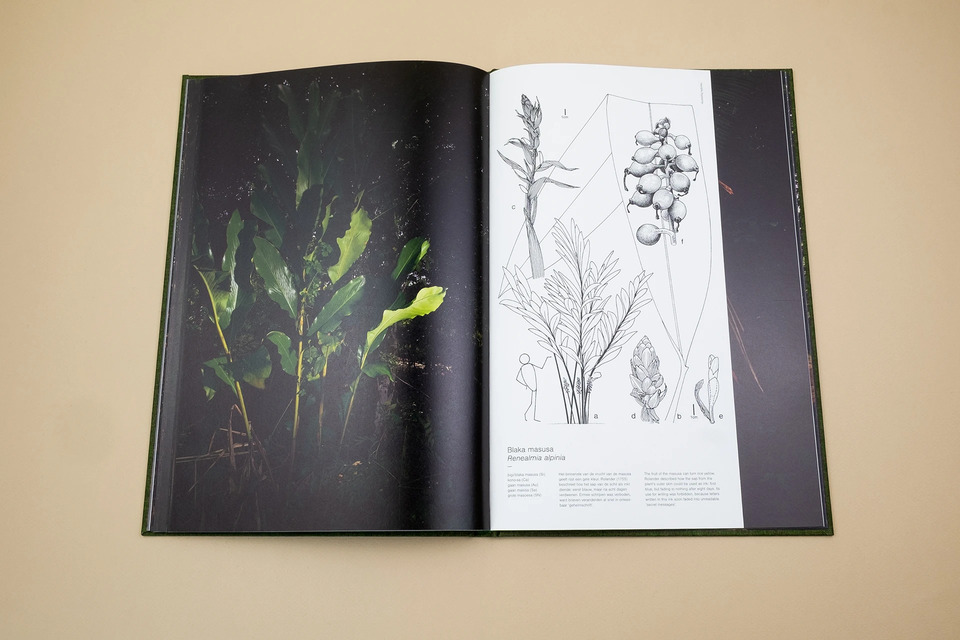
Piergoelam approaches this subject with both personal and scholarly sensitivity. Her journey to Suriname, the country of her parents’ birth, adds an intimate dimension to the project. Through photography, she documents plants that were historically significant, many of which were first recorded in 1755 by the Swedish biologist Daniel Rolander. However, rather than simply revisiting Rolander’s observations, Piergoelam reframes them, shifting the focus toward the agency and expertise of enslaved people whose understanding of the natural world has long been undervalued or ignored.
credit The Eriskay Connection
credit The Eriskay Connection
credit The Eriskay Connection
What makes the book particularly striking is its interdisciplinary nature. By collaborating with biologists, local guides, and a shaman, Piergoelam creates a layered narrative that blends scientific inquiry with cultural memory and spiritual knowledge. This approach challenges conventional Western frameworks of knowledge, highlighting the richness of oral traditions and practices that have been passed down through generations.
The title itself evokes both fragility and strength. The “fourteen leaves” suggest a precise, almost ritualistic knowledge of plants, while the “cup of water” symbolizes healing and continuity. Together, they reflect the delicate balance between life, resistance, and survival in the face of oppression. The book also underscores how these traditions persist today, demonstrating the enduring legacy of cultural practices in Suriname.
credit The Eriskay Connection
credit The Eriskay Connection
Visually, the work is both poetic and informative. The photographs are not merely illustrative; they function as a form of storytelling, inviting the reader to engage with the environment in a contemplative way. Combined with the historical and cultural context, they create a powerful sensory experience.
Ultimately, Fourteen Leaves and a Cup of Water is more than a documentation of plants or history: it is an act of reclamation. It gives voice to stories that have been marginalized and emphasizes the importance of preserving and respecting diverse forms of knowledge. Piergoelam’s work stands as a poignant reminder that resilience is often rooted in the intimate relationship between people and their environment.
credit The Eriskay Connection
 The Flora Journal