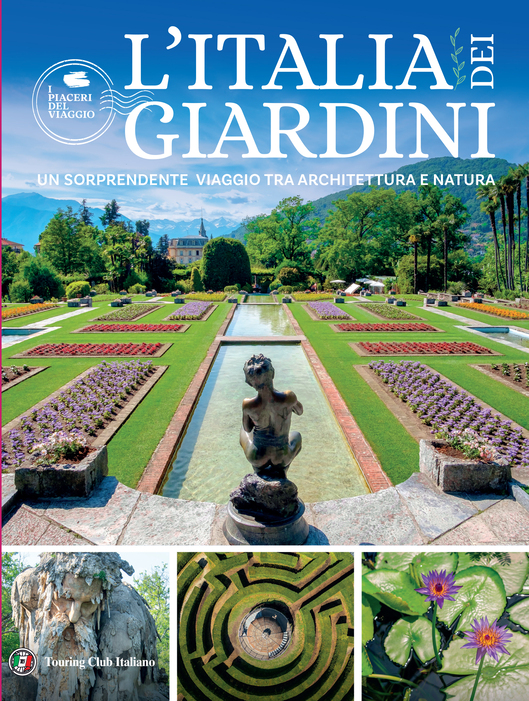
L’Italia dei Giardini (Italy’s Gardens) is a beautifully crafted Italian-language volume that celebrates one of the country’s most refined and often overlooked cultural treasures: its gardens. Published by Touring Club Editore in collaboration with APGI (Associazione Parchi e Giardini d’Italia, Association of Parks and Gardens of Italy), this book is both an inspiring travel companion and an authoritative guide to the extraordinary relationship between landscape, art, and history in Italy.
Written by three of Italy’s foremost experts in garden history and landscape studies, Vincenzo Cazzato, Alberta Campitelli, and Giuseppe La Mastria, the book combines scholarly insight with the accessibility and visual appeal for which Touring publications are renowned. Their expertise is evident on every page, transforming what could have been a conventional guidebook into a rich cultural narrative.

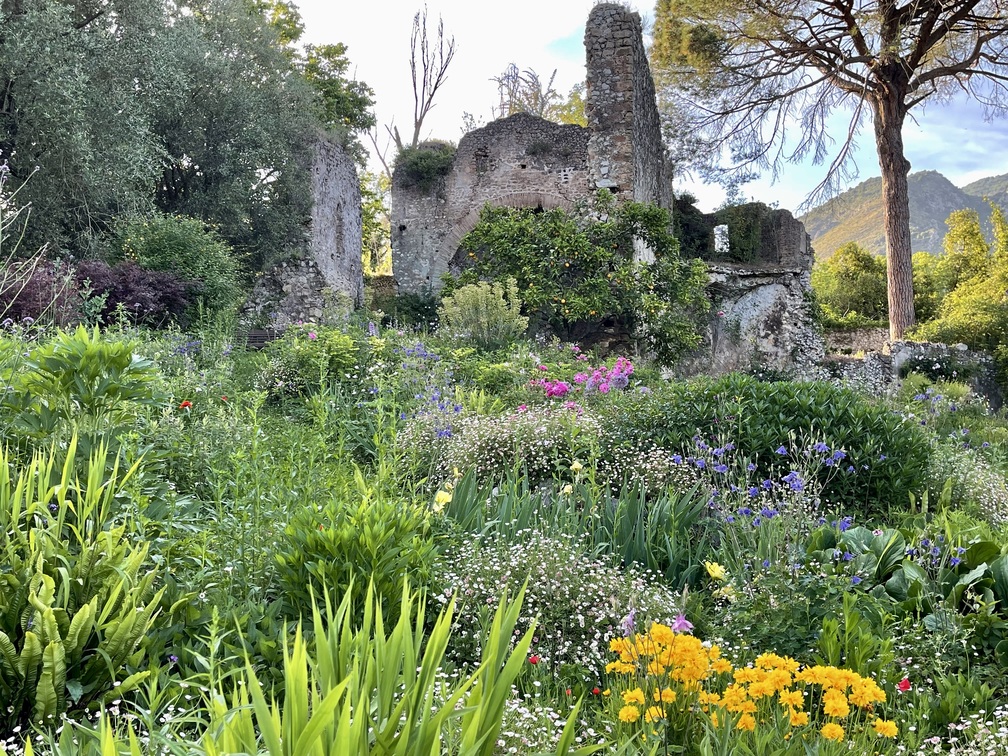
Across 320 pages, the authors lead readers through more than 300 gardens, from the grandeur of Renaissance villas and Baroque estates to intimate botanical gardens and secluded green spaces hidden within Italy’s historic cities. Organized into 52 itineraries, the volume encourages exploration by region and season, making it useful both for practical travel planning and for leisurely reading at home.
One of the book’s greatest strengths is its ability to balance historical context with sensory description. Each featured garden is presented as a living work of art shaped by centuries of creativity, scientific curiosity, and horticultural care. The text highlights architectural features, rare botanical specimens, and the stories of the patrons, designers, and gardeners who brought these landscapes to life.
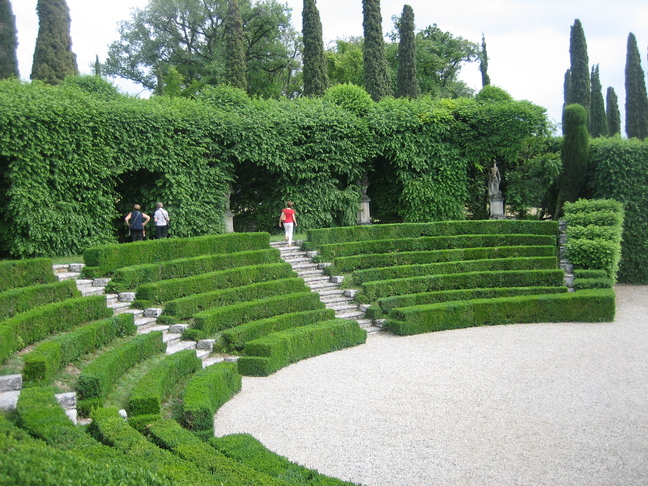
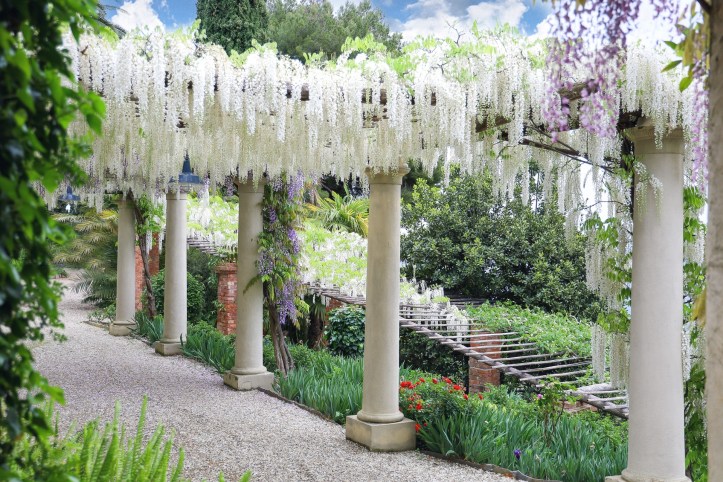
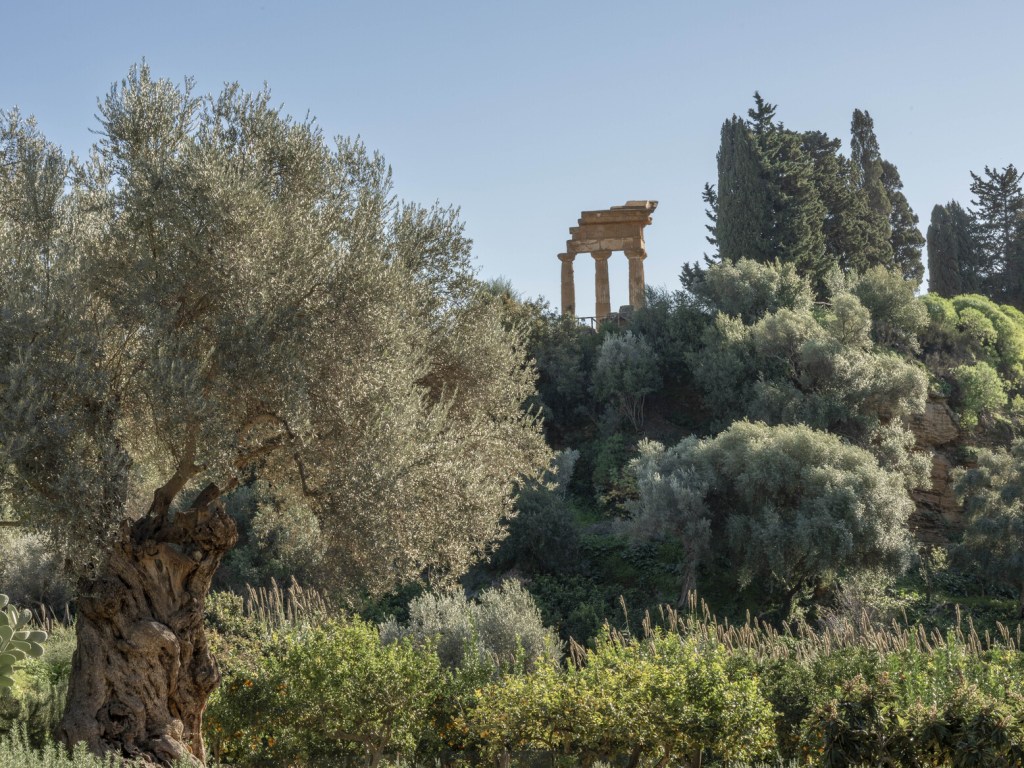
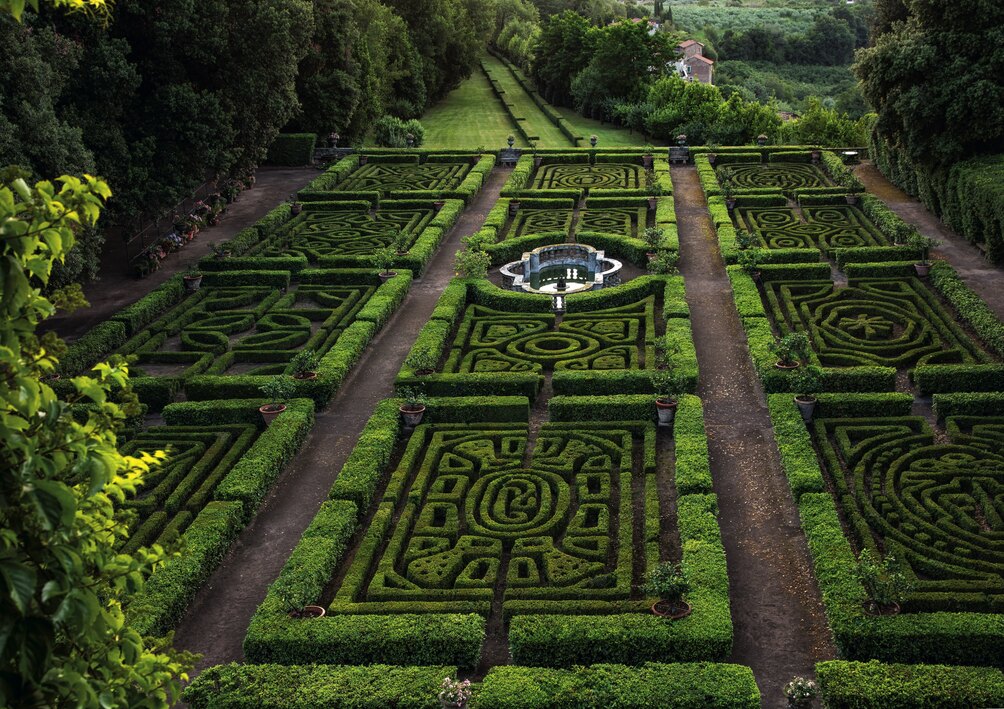
The photography is exceptional. Full-color images capture the geometry of formal Italian gardens, the romantic atmosphere of English-style parks, and the surprising diversity of landscapes across the peninsula. The visuals do more than illustrate; they convey the emotional experience of wandering through these spaces and reinforce the book’s central theme: gardens are places where nature and culture meet in perfect harmony.
The collaboration with APGI lends the work additional authority. As the leading organization dedicated to the protection and promotion of Italy’s parks and gardens, APGI ensures that the information is both accurate and deeply informed by current conservation concerns. The book also underscores the importance of preserving these fragile living monuments in the face of climate change and shifting environmental conditions.
Although written in Italian, the language is clear, elegant, and engaging, making the book accessible to a broad readership with even an intermediate knowledge of the language. For international readers interested in Italian culture, landscape architecture, or garden tourism, it offers an authentic and rewarding perspective.
L’Italia dei Giardini is much more than a guidebook. It is an invitation to slow down, observe, and appreciate the subtle dialogue between human creativity and the natural world. Whether used to plan future journeys or enjoyed from an armchair, this volume reveals a greener, quieter, and profoundly poetic side of Italy.
For gardeners, travelers, historians, and lovers of beauty, this book is an essential addition to any library. It reminds us that some of Italy’s greatest masterpieces are not found in museums, but in the living landscapes that continue to bloom season after season.