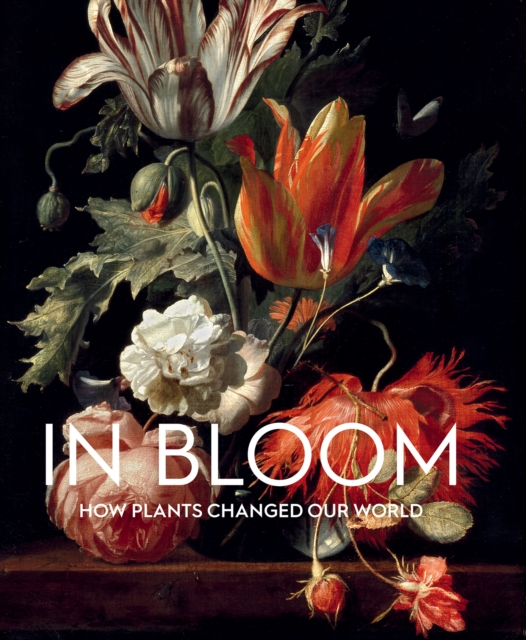
At the Ashmolean Museum in Oxford, until 16 August 2026, the exhibition In Bloom: How Plants Changed Our World invites visitors to look beyond the beauty of flowers and discover the extraordinary stories hidden within petals, seeds, and leaves. Bringing together more than one hundred artworks and objects, the exhibition reveals how plants have shaped science, art, trade, and empire, transforming the way we understand both nature and history.
From the roses in our gardens to the orchids on our windowsills, many familiar plants arrived in Britain after long and complex journeys. In Bloom traces these global routes, showing how flowers such as tulips, camellias, and peonies travelled across continents through networks of exploration and commerce. Their stories are intertwined with those of botanists, collectors, artists, and gardeners whose passion for plants changed the world.
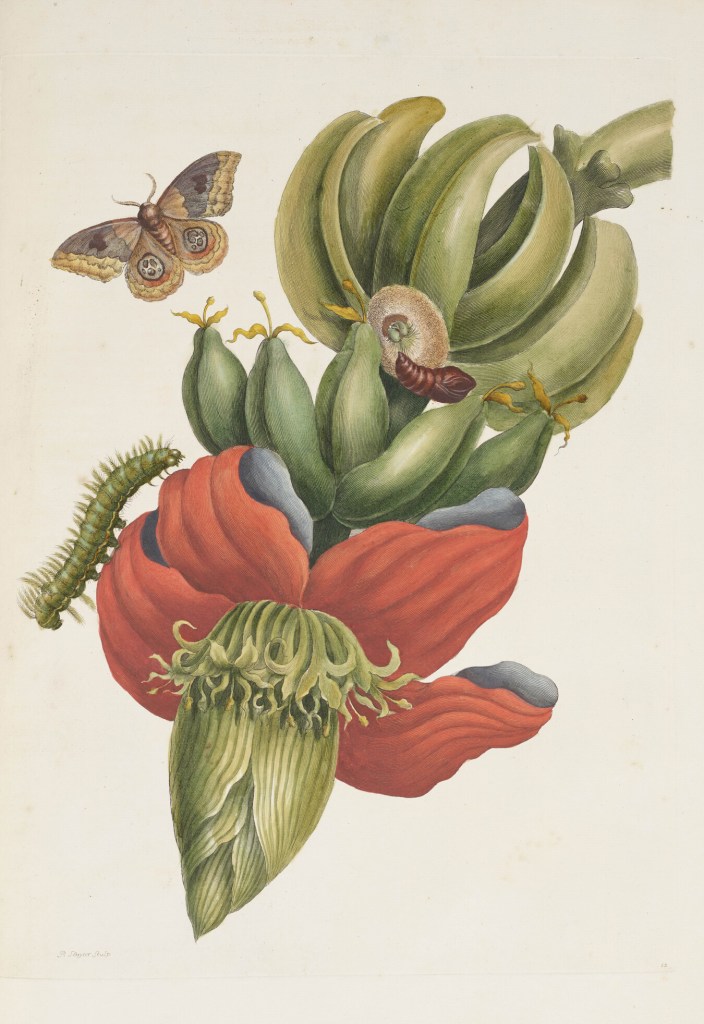
Banana (Musa paradisiaca) blossom with life stages of Bullseye moth (Automeris liberia), 1726 credit Bodleian Libraries, University of Oxford
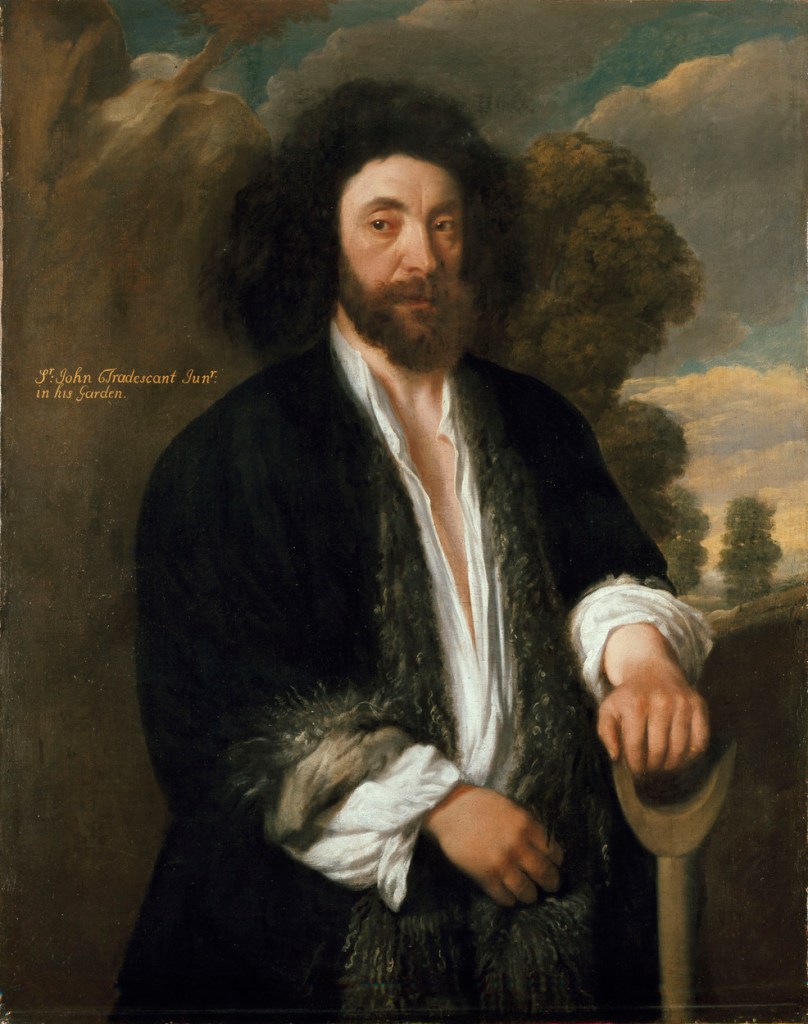
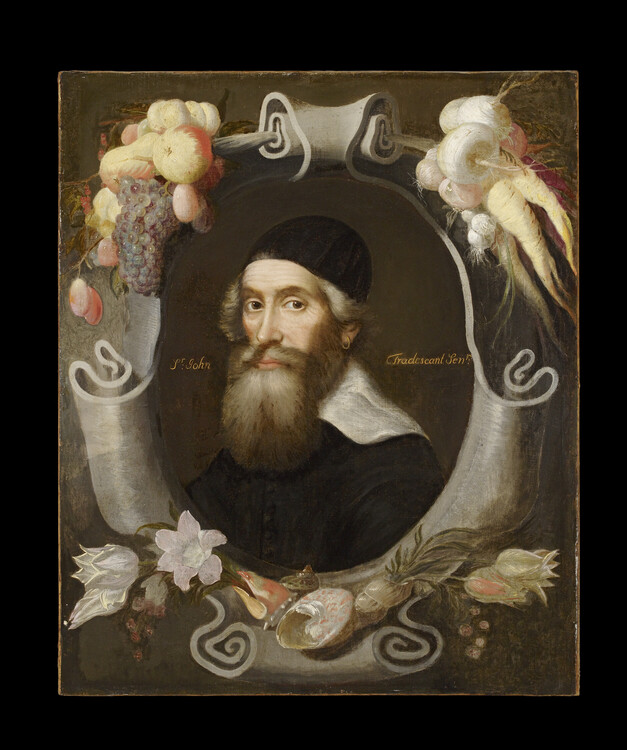
The exhibition begins with the remarkable story of John Tradescant the Elder and John Tradescant the Younger, two seventeenth-century gardeners who travelled extensively to collect rare plants and curiosities. Their collection laid the foundations for the Ashmolean itself, making the museum an ideal setting for this exploration of botanical history.
One of the exhibition’s greatest strengths is its ability to combine scientific inquiry with artistic beauty. Visitors encounter exquisite botanical illustrations by masters such as Maria Sibylla Merian, Rachel Ruysch, and Georg Dionysius Ehret. These works are both visually stunning and scientifically significant, reflecting a period when art played a crucial role in documenting and classifying the natural world.
The exhibition also highlights Oxford’s contribution to botanical research through the Oxford Botanic Garden, founded in 1621 and still one of the most important botanical gardens in Europe. Historic herbaria, enlarged papier-mâché teaching models, and a nineteenth-century Wardian case, a glass container that revolutionised the transport of living plants, demonstrate how innovation enabled plants to travel and survive across oceans.
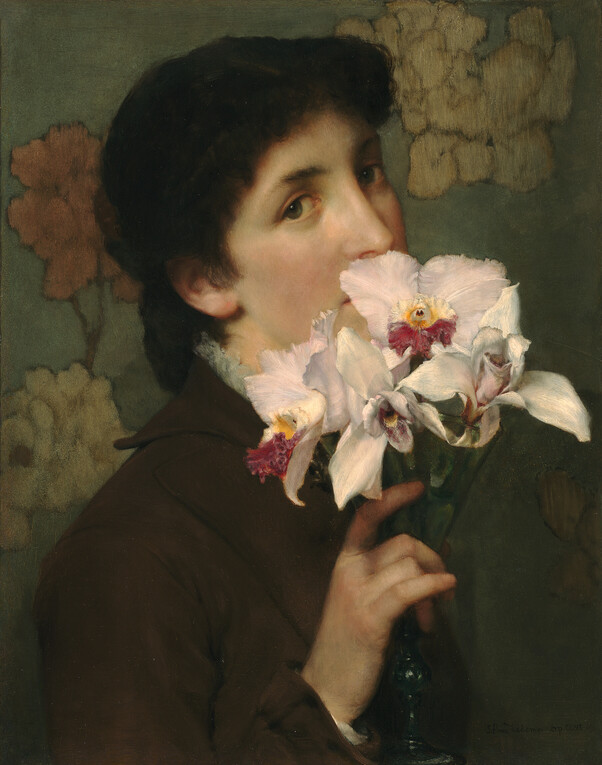
(1836–1912) Orchids, 1879
Private collection, USA, courtesy of the Richard Green Gallery, London
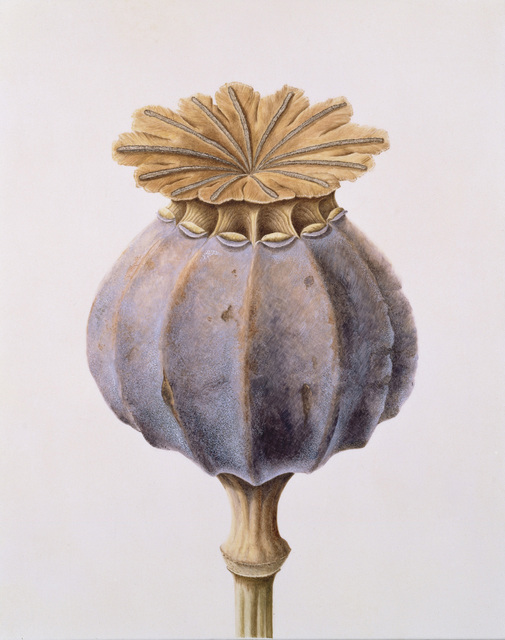
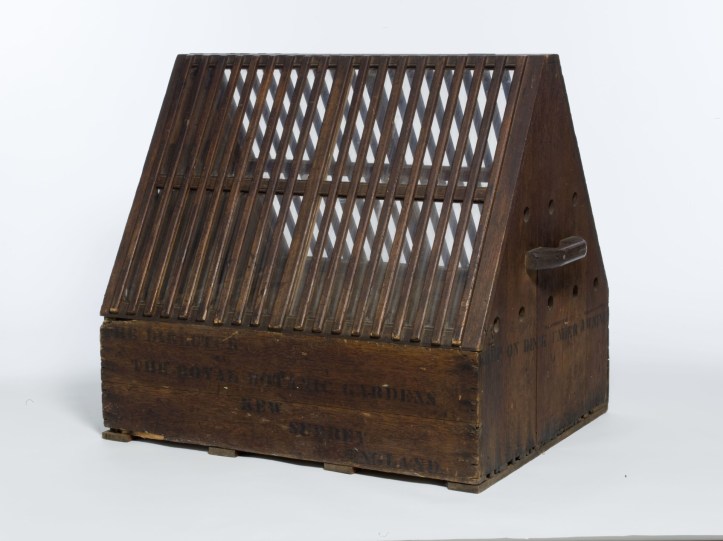
England Wood and glass, credit
The Board of Trustees of the Royal Botanic Gardens, Kew
Yet In Bloom does not shy away from the darker aspects of this history. The exhibition explores how the global movement of plants was deeply tied to colonial expansion, environmental exploitation, and economic inequality. Tea, opium, and other valuable crops reshaped landscapes and societies, often at significant human and ecological cost.
Contemporary works by artists including Alexandra Daisy Ginsberg and Anahita Norouzi bring the story into the present, addressing themes of biodiversity, climate change, and conservation. Their contributions remind us that our relationship with plants remains as urgent and complex as ever.
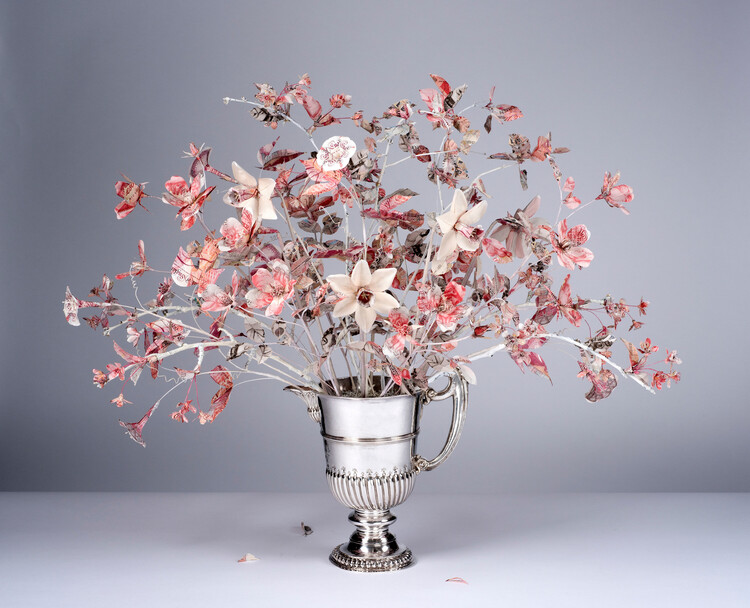
2023–24 British pound banknotes, wire,
wood, silver, credit Bank of England Collection
credit Justine Smith
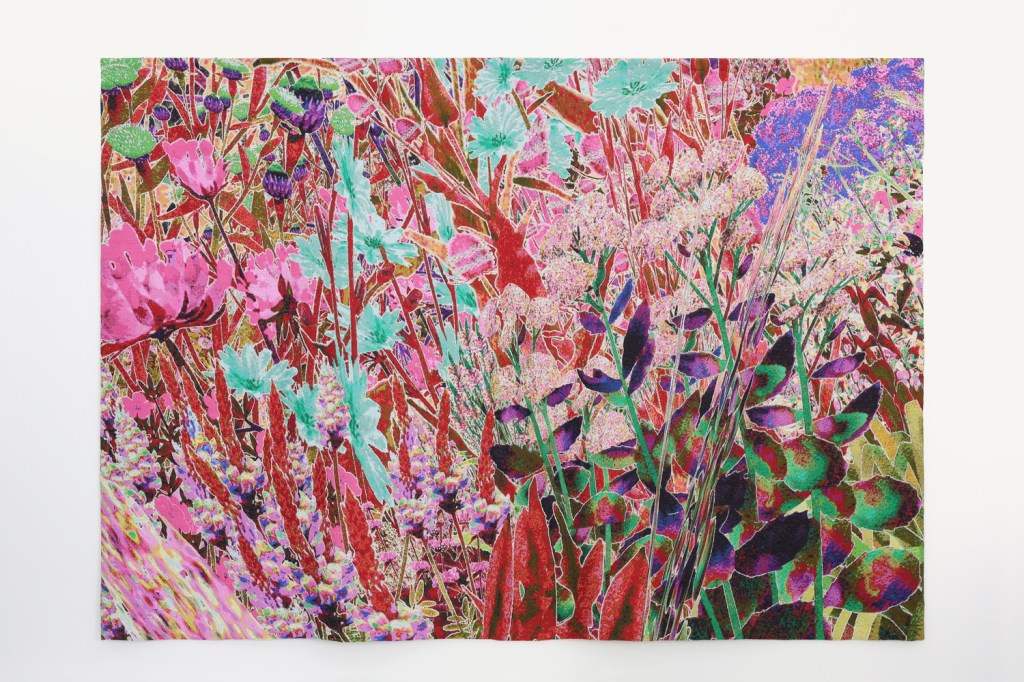
Pollinator Pathmaker: a4WNehdyCgdiKwVhXKGDBM (Pollinator Vision, Midsummer), 2025
Tapestry; woven, mixed fibre, credit Alexandra Daisy Ginsberg Ltd. Courtesy of the artist
As co-curators Francesca Leoni and Shailendra Bhandare explain, the exhibition offers “a rare chance to understand, appreciate and contemplate the histories of some of our best loved blooms.” Through stories of scientific achievement, daring exploration, and remarkable individuals, In Bloom presents a vivid account of how human interactions with plants have transformed the world.
Thought-provoking, visually rich, and beautifully curated, In Bloom: How Plants Changed Our World is an exhibition that will appeal to gardeners, art lovers, and anyone curious about the hidden histories behind the flowers that surround us.