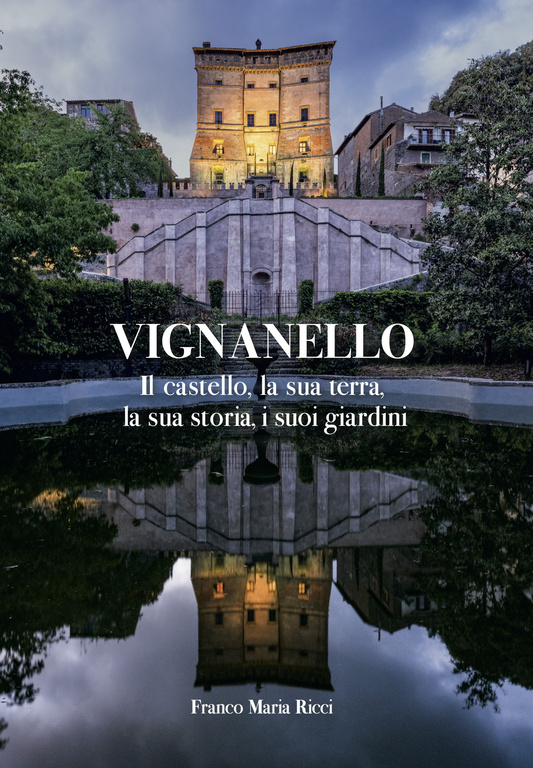
With Vignanello. Il castello, la sua terra, la sua storia, i suoi giardini, (Vignanello: The Castle, Its Land, Its History, and Its Gardens) published by Franco Maria Ricci Editore and written in Italian by Alberta Campitelli, together with Sofia Varoli Piazza, Elisa Fochetti, and Giorgio Monari, delivers an elegant and scholarly volume that captures not only the history of an extraordinary place, but also the deeper cultural and landscape identity that surrounds it.
The book guides readers through the story of Castello Ruspoli and the village of Vignanello in the heart of the Tuscia region. Blending architecture, urban history, noble genealogies, garden design, and cultural memory, the authors present the castle not as an isolated monument, but as a living organism deeply connected to its territory and community.
credit Dario Fusaro
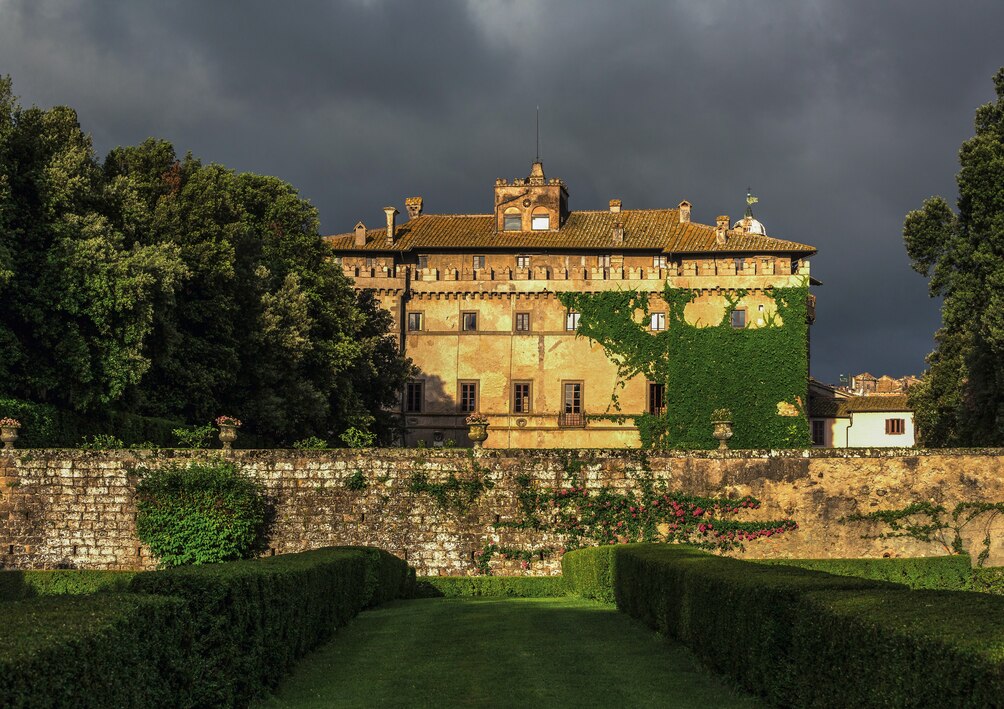
One of the most compelling aspects of the volume is its reconstruction of the castle’s transformation from a medieval fortress into an elegant aristocratic residence. Through clear and engaging historical narration, the book retraces the succession of the Farnese, Orsini, Marescotti, and finally the Ruspoli family, the current owners, showing how each dynasty shaped the architectural and symbolic identity of the estate over the centuries.
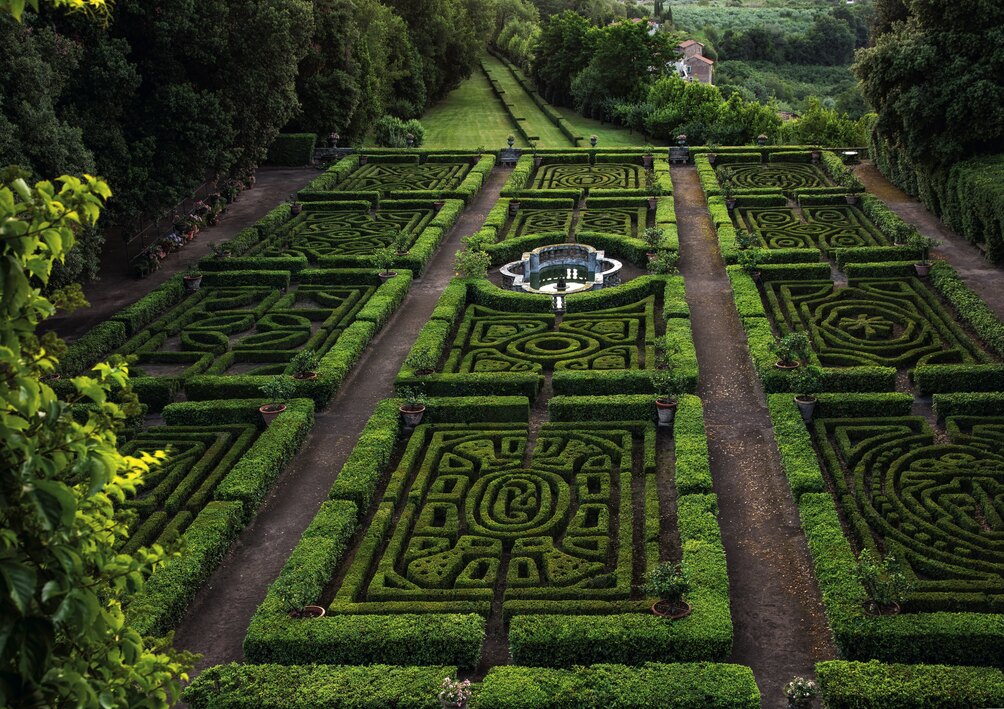
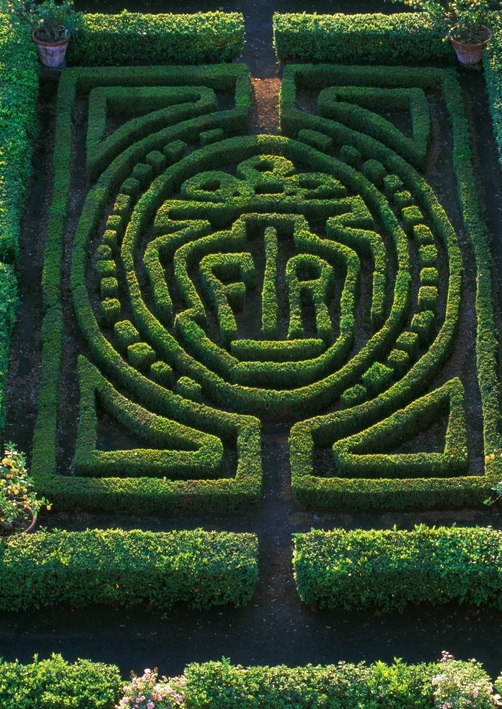
Particularly remarkable is the section devoted to the historic gardens, which form the poetic heart of the book. The celebrated formal garden of Vignanello is described with both scholarly precision and aesthetic sensitivity. Readers are invited to imagine walking through geometric parterres, carefully designed pathways, and the harmonious dialogue between architecture and nature. The recent restoration project, supported by Italy’s National Recovery and Resilience Plan (PNRR), is presented not merely as conservation work, but as a cultural act aimed at restoring the gardens’ original role as theatrical, symbolic, and social spaces.
credit Alain Le Toquin
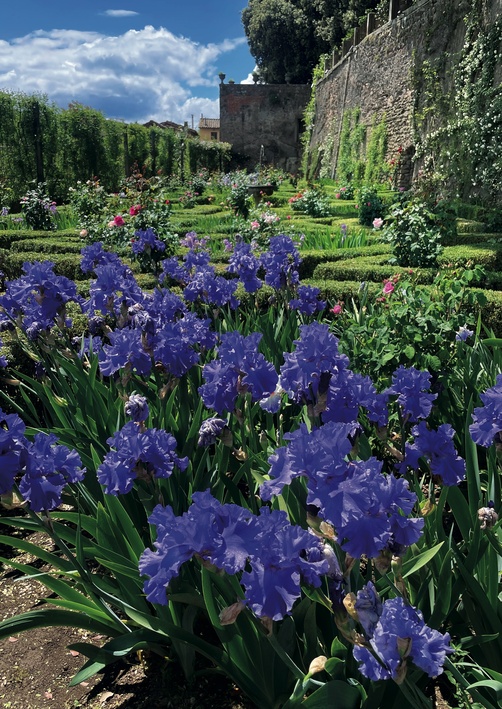
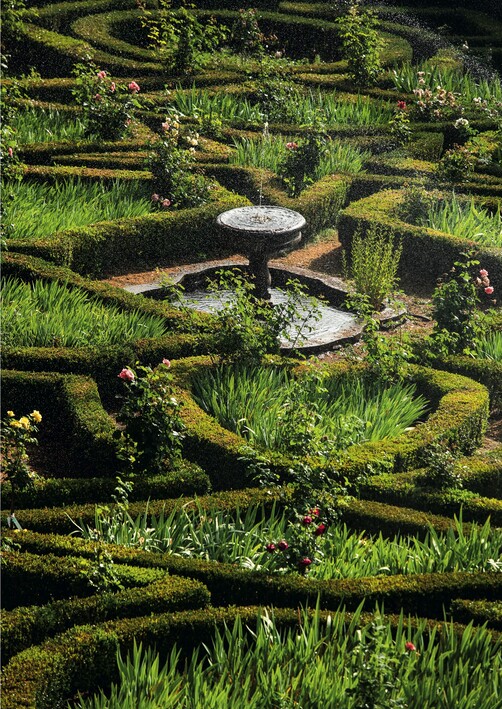
credit Matteo Carassale
The visual apparatus is another major strength of the publication. In keeping with the refined editorial tradition of Franco Maria Ricci, the photographs and illustrations are not simply decorative additions; they actively enhance the narrative and documentary value of the text. Architectural details, landscape views, and historical perspectives contribute to an immersive reading experience rich in atmosphere and visual sophistication.
Importantly, the book avoids becoming overly academic or inaccessible. Although grounded in careful archival and historical research, the writing remains fluid and engaging, making the volume appealing both to specialists and to general readers interested in art history, historic gardens, and Italian cultural heritage. The inclusion of notable figures connected to the castle, such as George Frideric Handel, who stayed there in 1707, and Santa Giacinta Marescotti, further enriches the narrative, transforming the book into a layered story of art, spirituality, and memory.
Ultimately, Vignanello is far more than a beautifully illustrated publication. It is a reflection on preservation, identity, and the enduring relationship between landscape and history. Elegant, informative, and visually captivating, the volume stands as both a celebration of Italian heritage and a testament to the importance of safeguarding cultural memory for future generations.