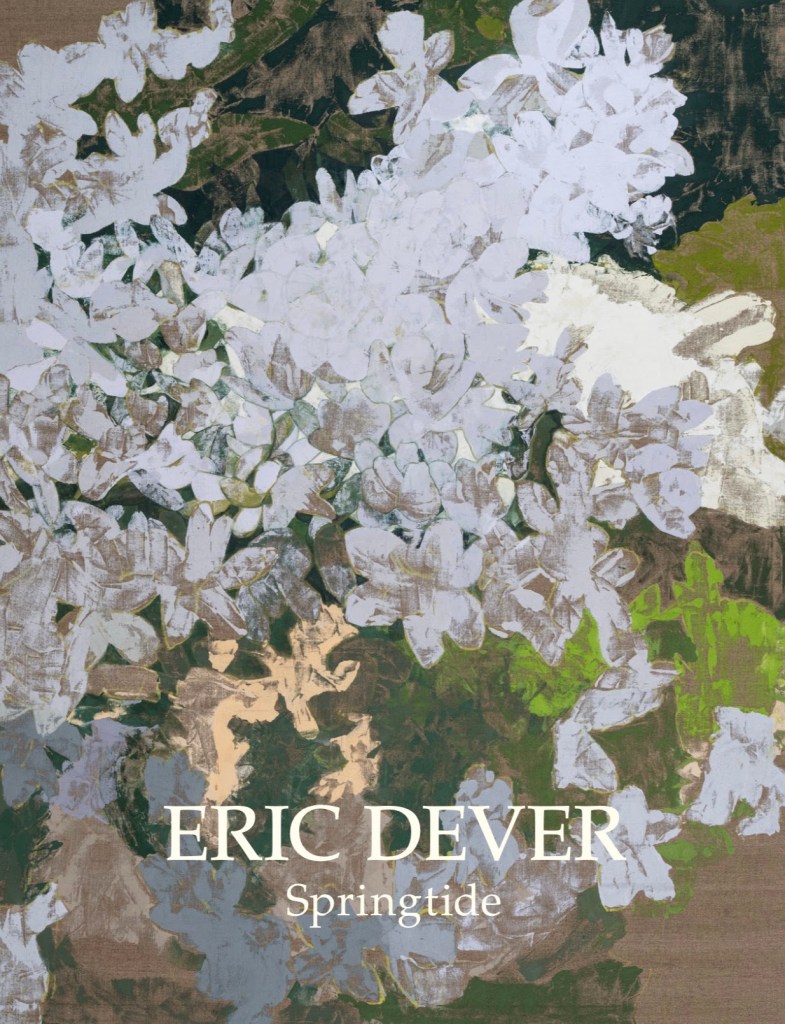
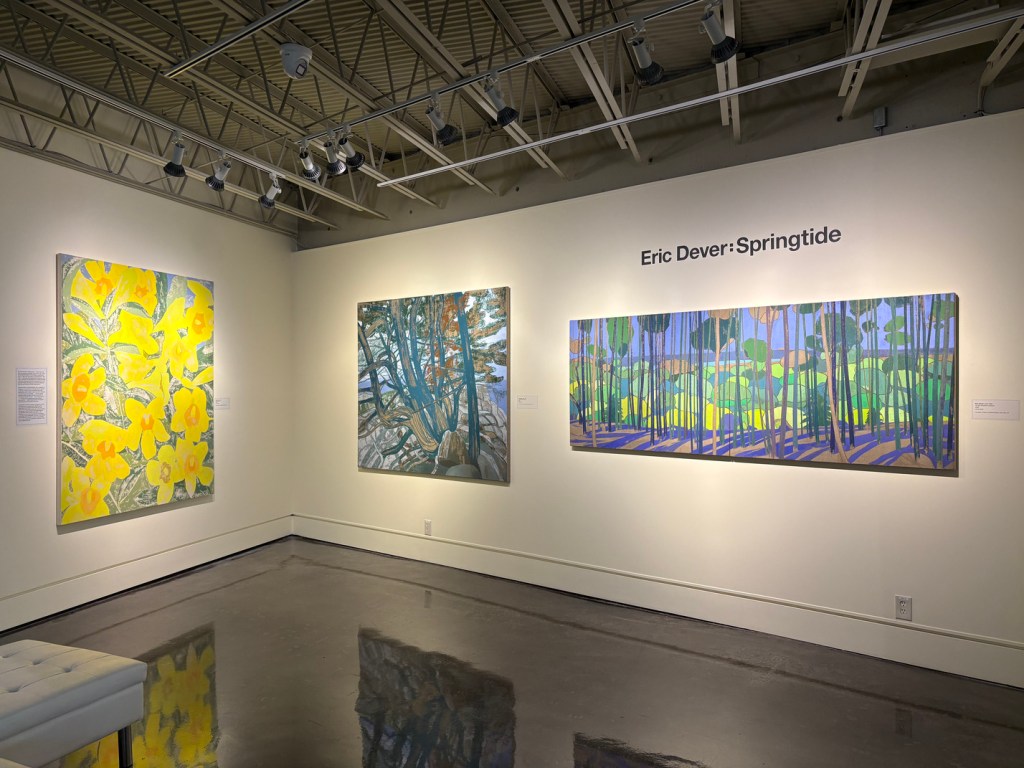
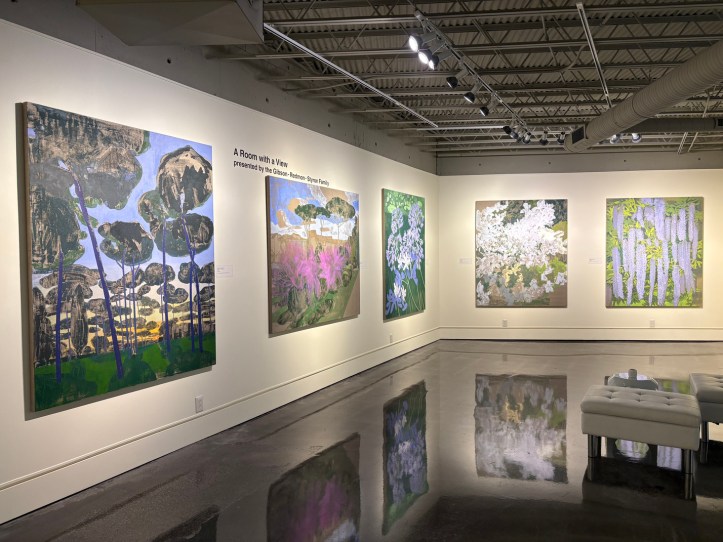
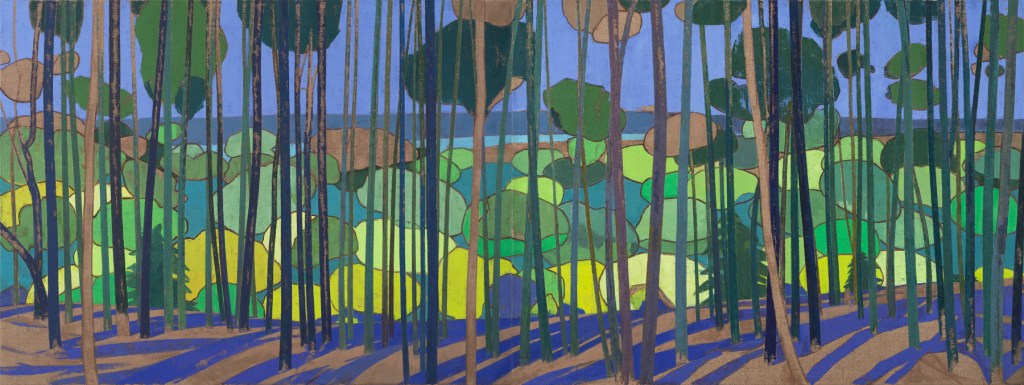
With Springtide, on view through August 2, 2026, the Greenville County Museum of Art, in Greenville SC, US, widely regarded as one of the leading art museums in the American South, provides an ideal setting for the latest chapter in Eric Dever’s painterly exploration. His canvases, born from close observation of gardens, branches, blossoms, and subtle atmospheric shifts, find a natural resonance in a building where architecture and light are integral to the aesthetic experience. The museum’s significance lies not only in the quality of its spaces but also in its remarkable collection of American art, which includes the nation’s largest public collection of watercolors by Andrew Wyeth and an important group of works by South Carolina–born artist Jasper Johns. Together, these holdings make the GCMA an essential destination for understanding American art from the nineteenth century to the present.
in South Carolina, US
credit Visit Greenville SC
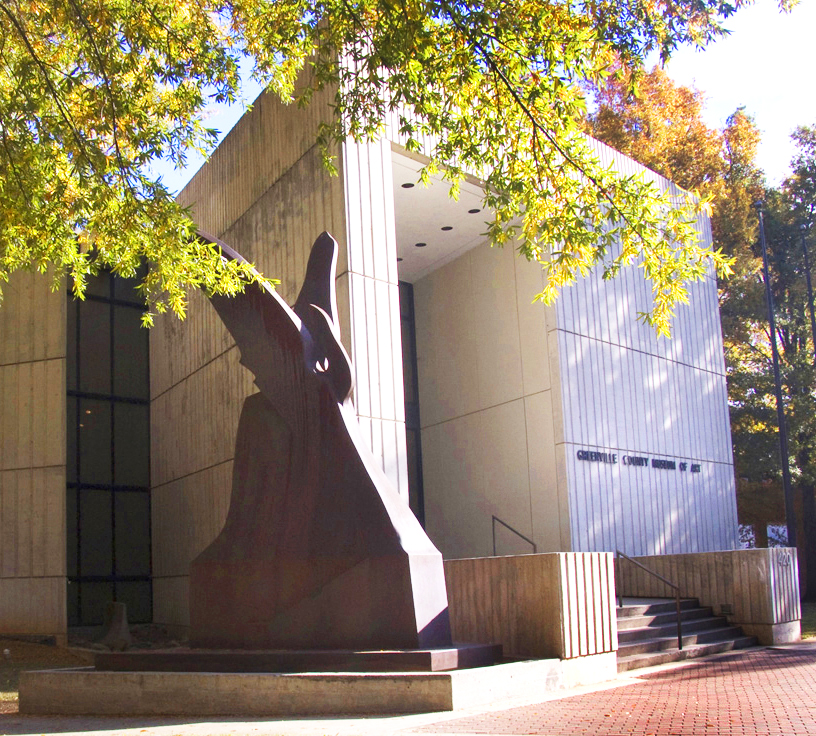
Opened in 1974 and designed by Craig Gaulden Davis Architecture, the Greenville County Museum of Art is among the most significant examples of Brutalist architecture in the southeastern United States. Its distinctive trapezoidal plan, developed in response to an irregular site within the Heritage Green cultural campus, recalls the geometric strategies employed by I. M. Pei in the East Building of the National Gallery of Art in Washington, D.C., where site constraints become generators of form. Constructed in exposed concrete, the museum combines the monumentality of Brutalism with a refined sensitivity to space. Its wedge-shaped mass slips between neighboring structures, while a large skylight and clerestory lighting system bathe the interior in soft, controlled daylight that animates the concrete surfaces throughout the day. More than a container for art, the building stands as a compelling architectural work in its own right, creating a continuous dialogue between space, material, and light.
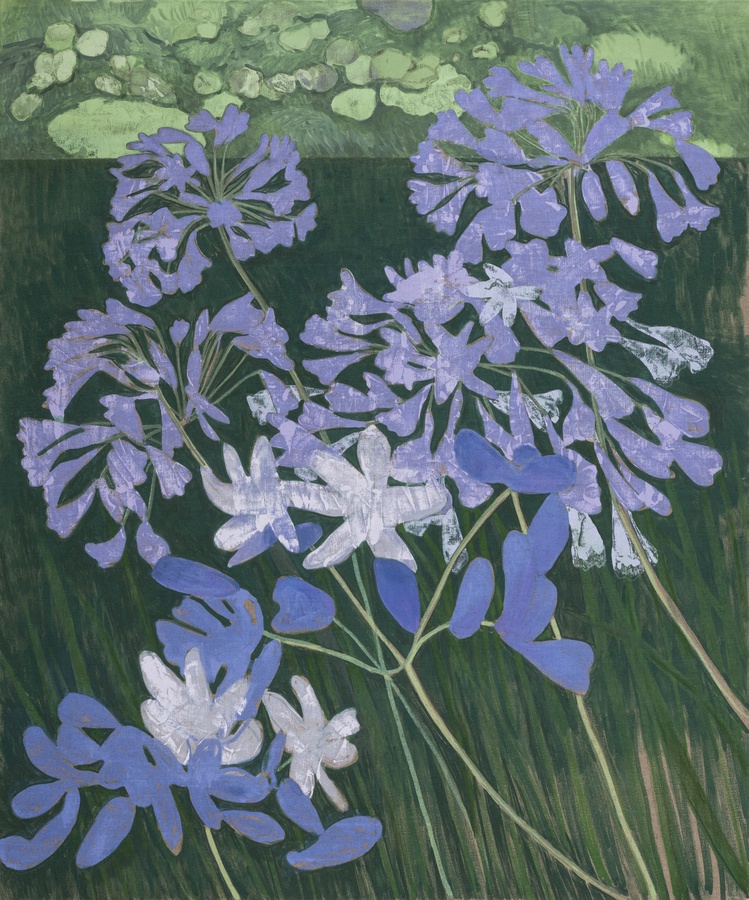
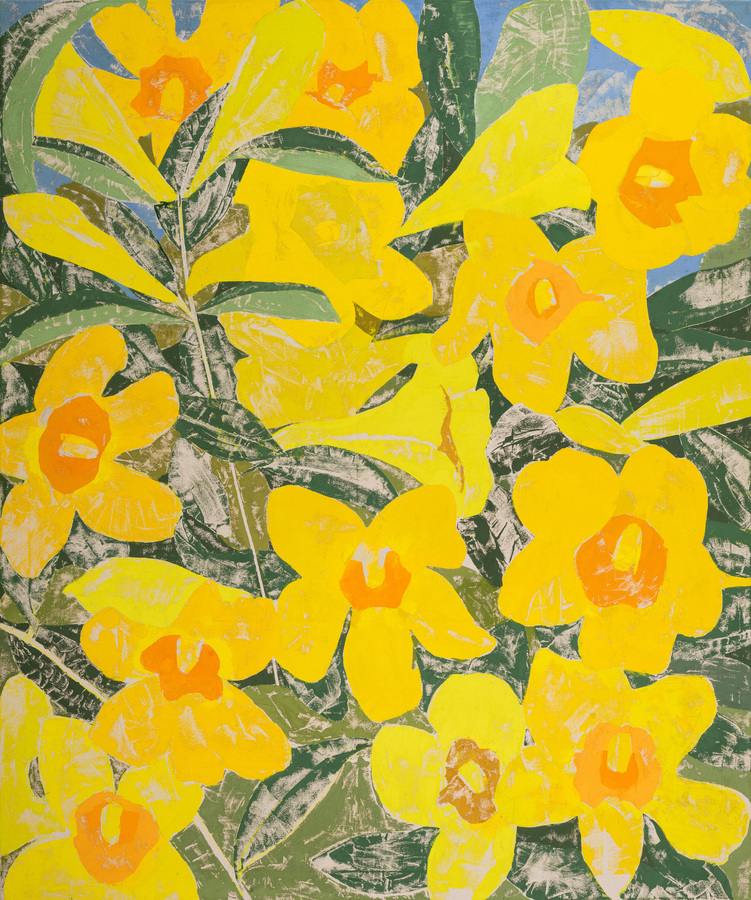
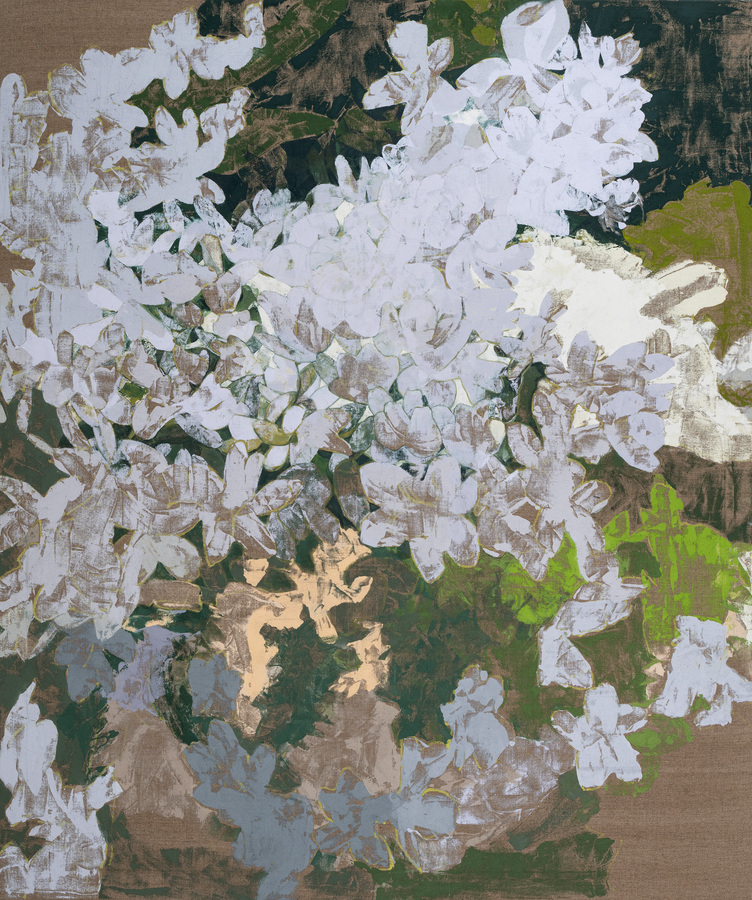
Before devoting himself fully to painting, Dever worked in the office of I. M. Pei. There he learned that geometry is not merely an exercise in order but a mode of thinking capable of giving structure to intuition and transforming light into a constructive element. In Pei’s architecture, volumes are often defined through subtraction, edges capture and shape light, and empty space acquires an almost tangible presence. In Dever’s paintings, this lesson reemerges as an invisible framework: layered fields of color, abstract forms, and botanical fragments organized according to an internal architecture that is at once rigorous and organic. Though free and vibrant, his painterly gesture is consistently guided by a sense of balance and proportion that translates the experience of nature into visual construction.
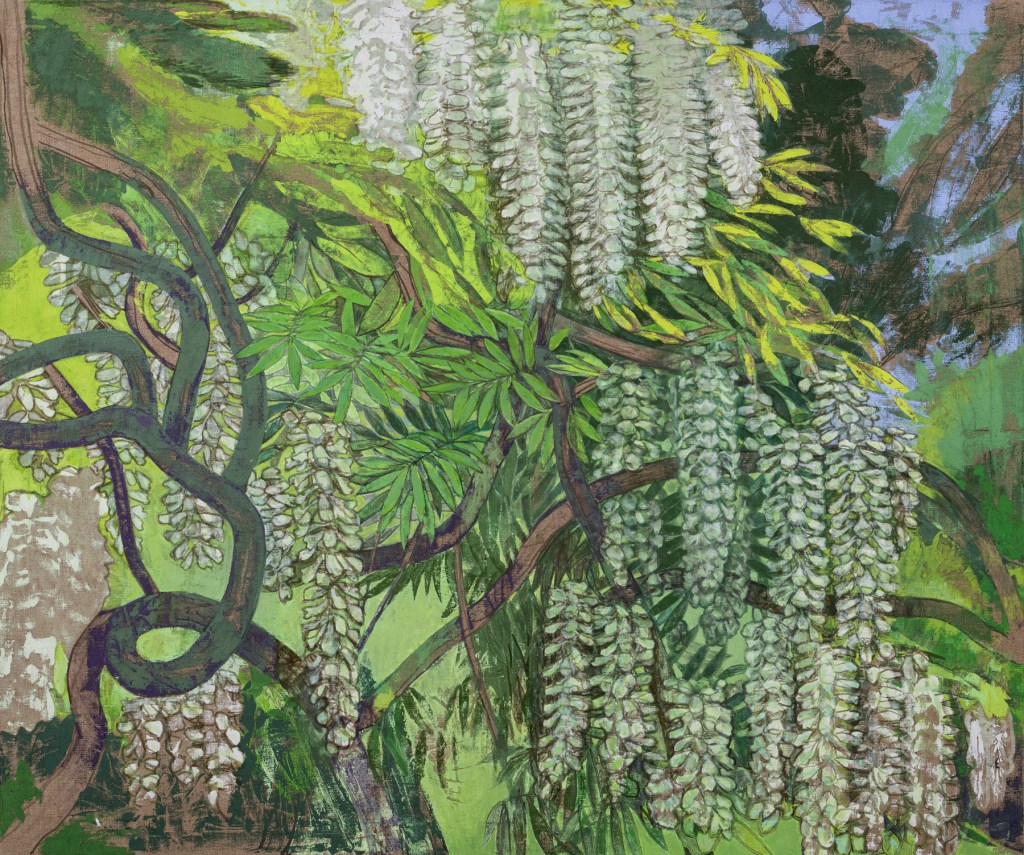
credit Berry Campbell Gallery
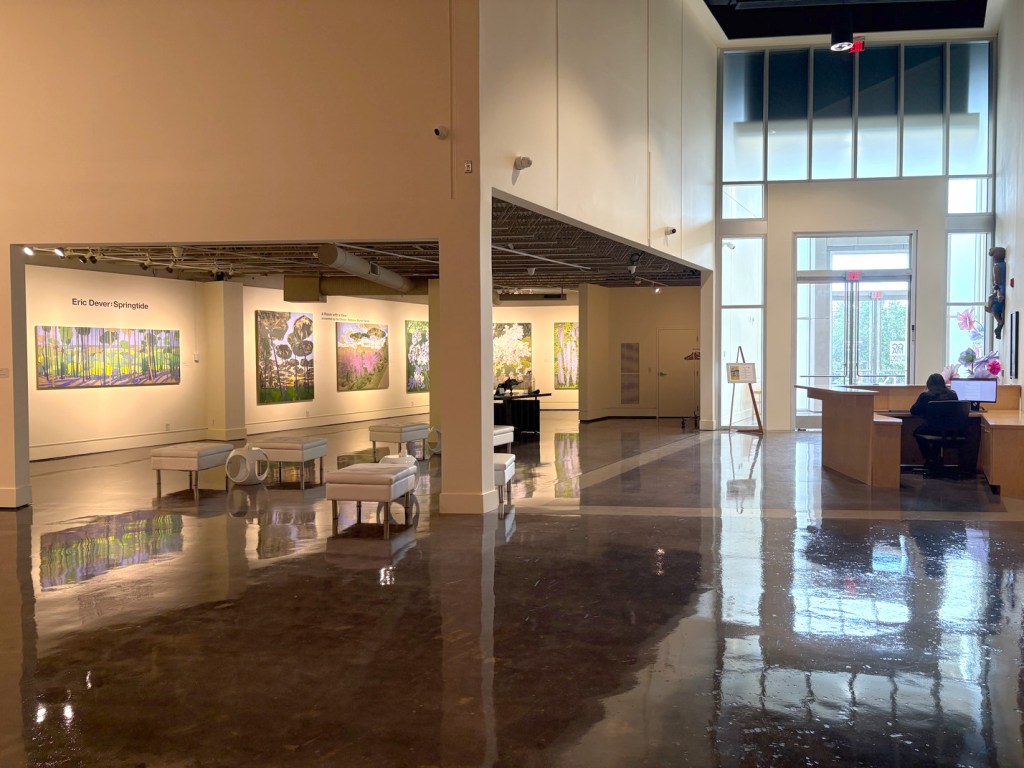
in South Carolina, US
courtesy Eric Dever
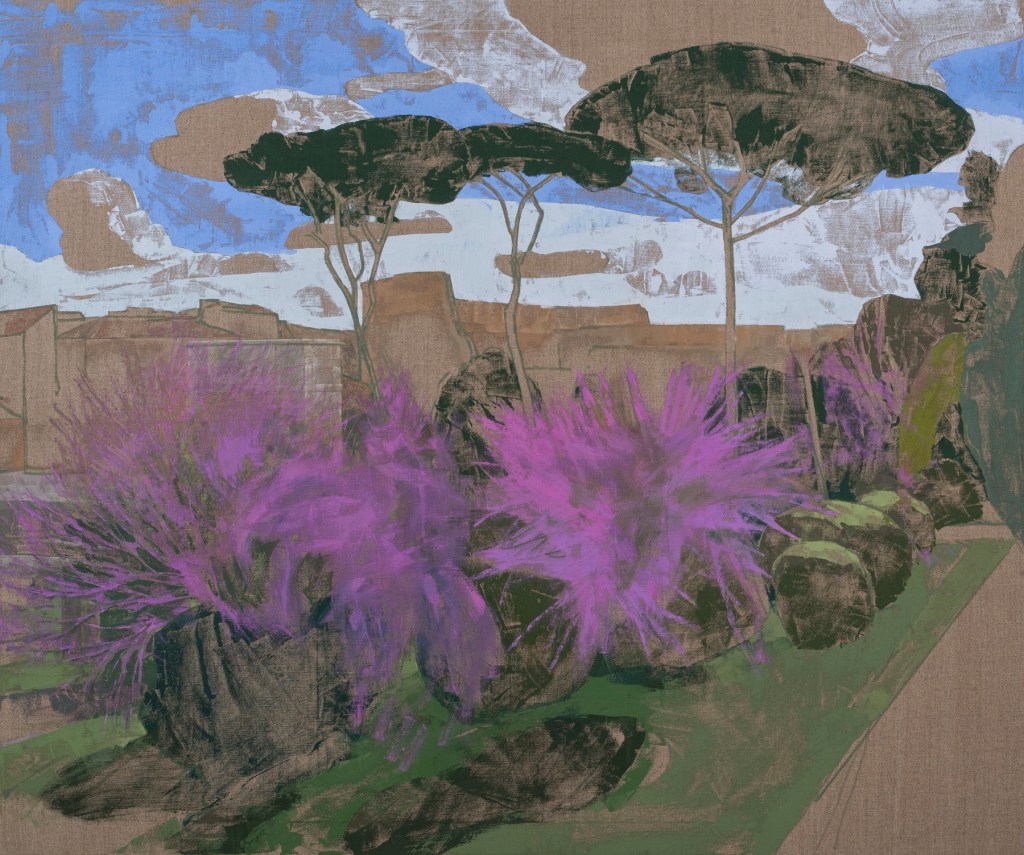
credit Berry Campbell Gallery
The title Springtide first evokes spring itself, the season of returning light, germination, and the quiet renewal of life. In Dever’s paintings, this sensibility takes shape through translucent layers, bursts of color, and marks that recall leaves, trunks, petals, and botanical reflections. The works suggest the moment when nature, emerging from winter dormancy, begins once again to breathe and expand with an energy that is both subtle and unstoppable.
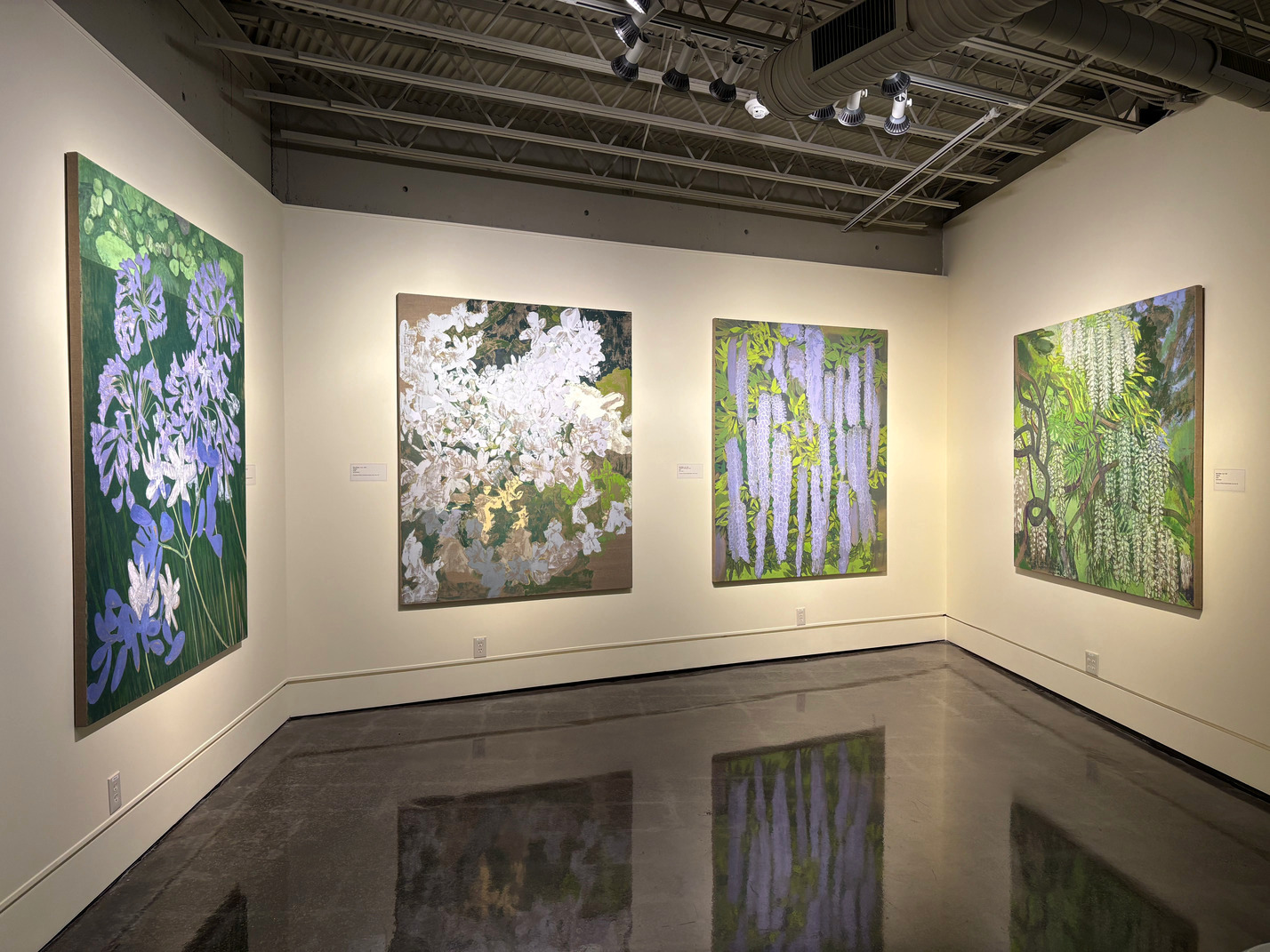
courtesy Eric Dever
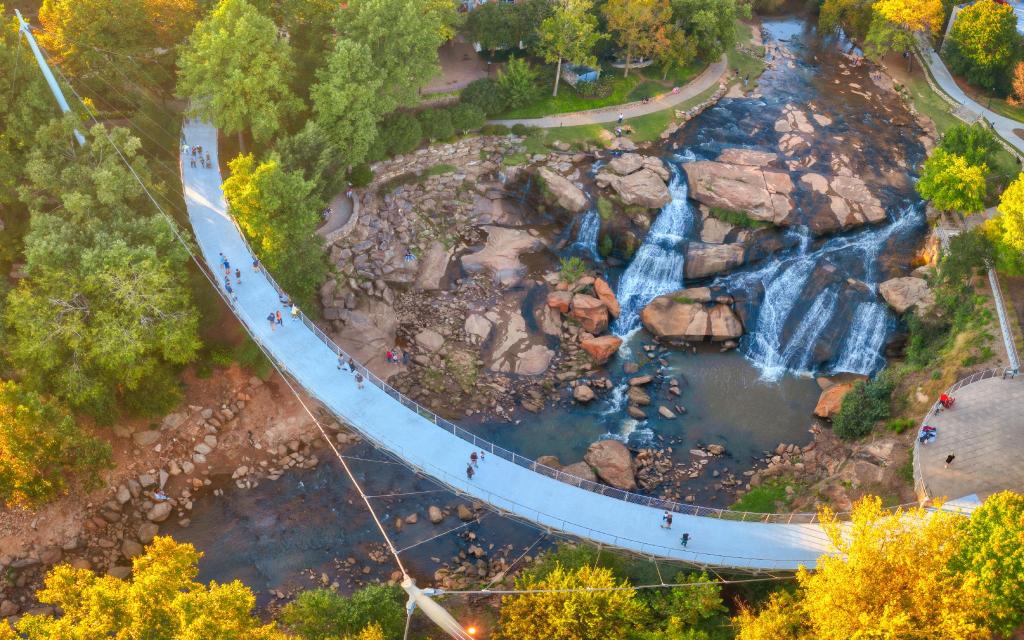
This dialogue with the natural world is amplified by the setting of Heritage Green, the cultural campus that houses the museum in the heart of Greenville. The city is renowned for its integration of nature and urban life. The clearest expression of this identity is Falls Park on the Reedy, where the Reedy River flows through downtown amid waterfalls, mature trees, and the graceful silhouette of Liberty Bridge suspended above the water.
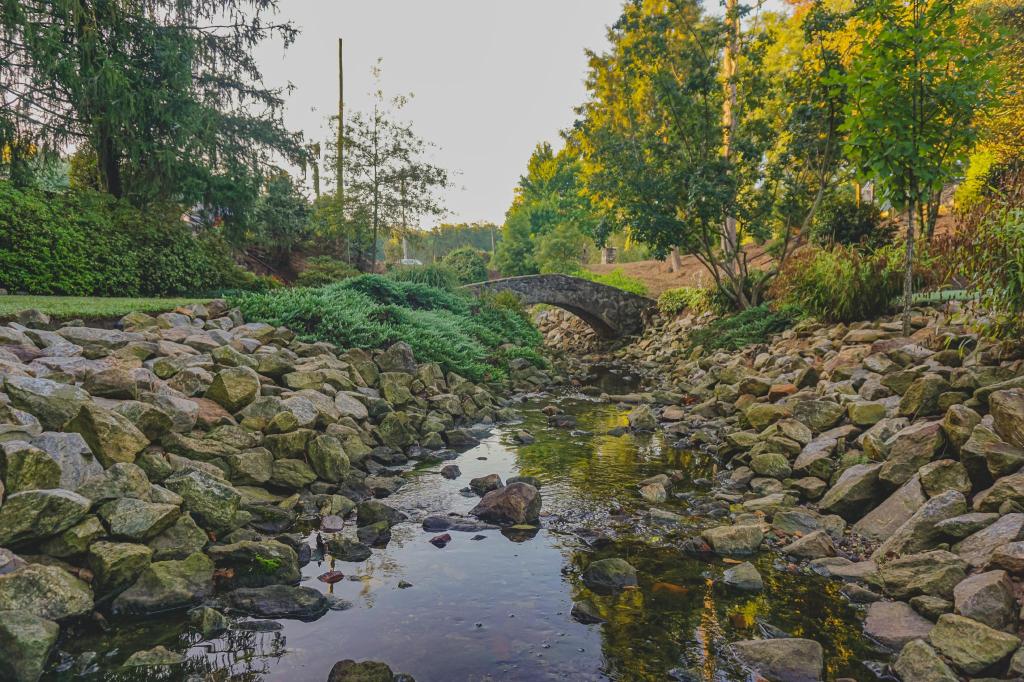
More intimate in scale is Rock Quarry Garden, a secluded landscape of stone outcrops, shaded paths, and seasonal blooms that offers an almost secret experience of contemplation. Nearby, the expansive South Carolina Botanical Garden extends this sensibility across woodlands, meadows, and living collections that celebrate the biodiversity of the American South.
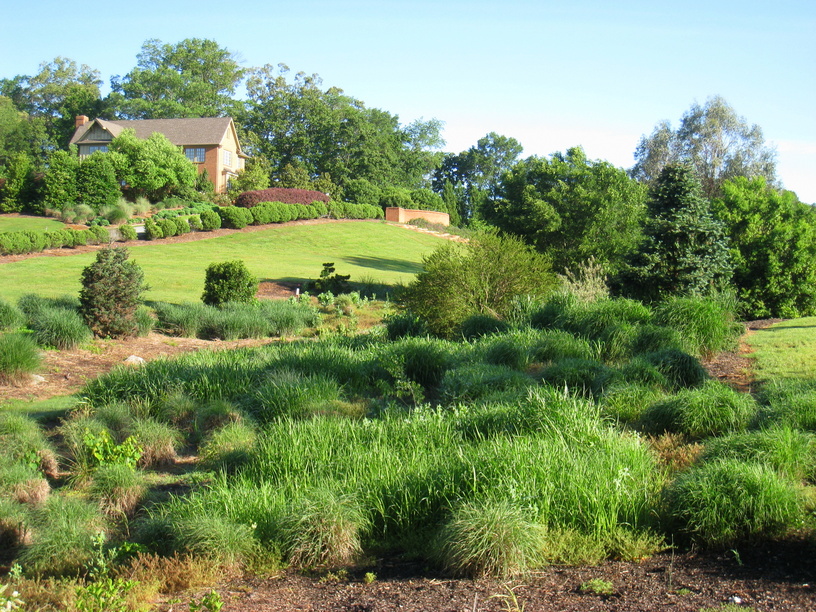
Within this constellation of water, vegetation, and architecture, the Greenville County Museum of Art emerges as a place of quiet concentration. With Springtide, Eric Dever renews that vocation: his paintings do not simply occupy the museum’s galleries but seem to attune themselves to the rhythm of light moving across concrete surfaces and to the landscape that surrounds Greenville. Painting and architecture thus share a common purpose: to give form to the invisible and to make perceptible, with rigor and poetry, nature’s enduring cycle of renewal.