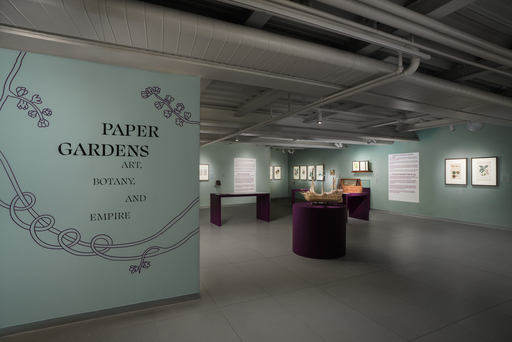
‘Paper Gardens: Art, Botany, and Empire‘, presented at the Museum of Art & Photography (MAP) in Bengaluru, India is one of the most ambitious and thought-provoking exhibitions devoted to botanical illustration from South Asia, closing on July 5. Bringing together more than 120 works, including paintings, prints, textiles, illustrated volumes, and archival materials, the exhibition goes far beyond celebrating the beauty of botanical imagery. Instead, it offers a critical examination of the complex relationships between art, science, and colonial power.
From the outset, the exhibition demonstrates that botanical illustrations were far more than scientific records. Between the seventeenth and twentieth centuries, the documentation and classification of plant species across the Indian subcontinent formed an essential component of the British imperial project. Through drawing, collecting, and cataloguing plants, botanical knowledge became a tool for managing natural resources, expanding trade networks, and consolidating political control.
credit Philippe Calia
credit Navneeth Dinesh
The location of this exhibition is particularly relevant. Bengaluru is celebrated as the ‘Garden City of India’, a reputation shaped by its extensive parks and historic gardens, tree-filled avenues, and the city’s thriving horticultural scene. The city’s Lalbagh Botanical Garden, once a Mughal-esque landscape belonging to Hyder Ali and his son Tipu, was overtaken by the colonial administration in the 19th century and operated in the vein of other British botanical gardens, becoming a key node in the imperial circuit of global botanical exchange.
One of the exhibition’s greatest achievements is its commitment to recovering overlooked histories. Many of the works on display were produced by Indian artists whose names were frequently omitted from official publications or overshadowed by the colonial officers and naturalists who commissioned them. By foregrounding these forgotten contributors, Paper Gardens restores visibility and agency to the individuals whose labour made botanical knowledge possible, while exposing the unequal structures that shaped colonial science.
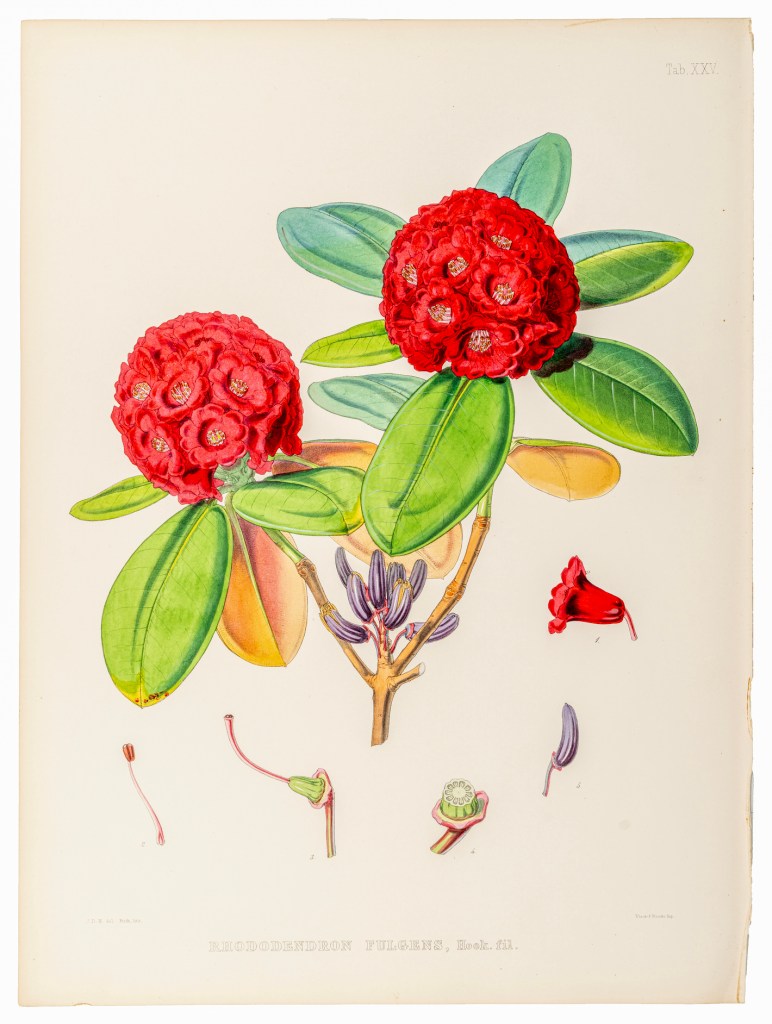
Rhododendron fulgens, Hook.fil.
The Rhododendrons of Sikkim-Himalaya Author & Artist: Joseph Dalton Hooker, 1849 credit MAP
credit Philippe Calia
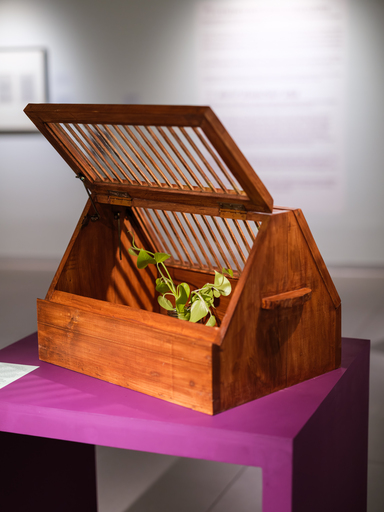
credit Philippe Calia
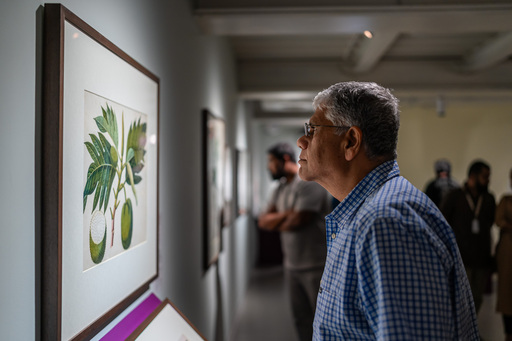
The aesthetic quality of the exhibition is remarkable. The botanical illustrations combine scientific precision with artistic sophistication, revealing an extraordinary balance between observation and creativity. Delicate colour palettes, intricate details, and carefully composed arrangements transform each specimen into an object of contemplation. As a result, the exhibition appeals equally to art historians, botanists, and general audiences.
Particularly compelling is the dialogue established between historical material and contemporary artistic responses. Archival photographs of Bengaluru’s Lalbagh Botanical Garden and works by contemporary local artists extend the narrative beyond the colonial period, connecting historical questions to present-day environmental and cultural concerns. This curatorial strategy prevents the exhibition from becoming merely retrospective and gives it a strong contemporary relevance.
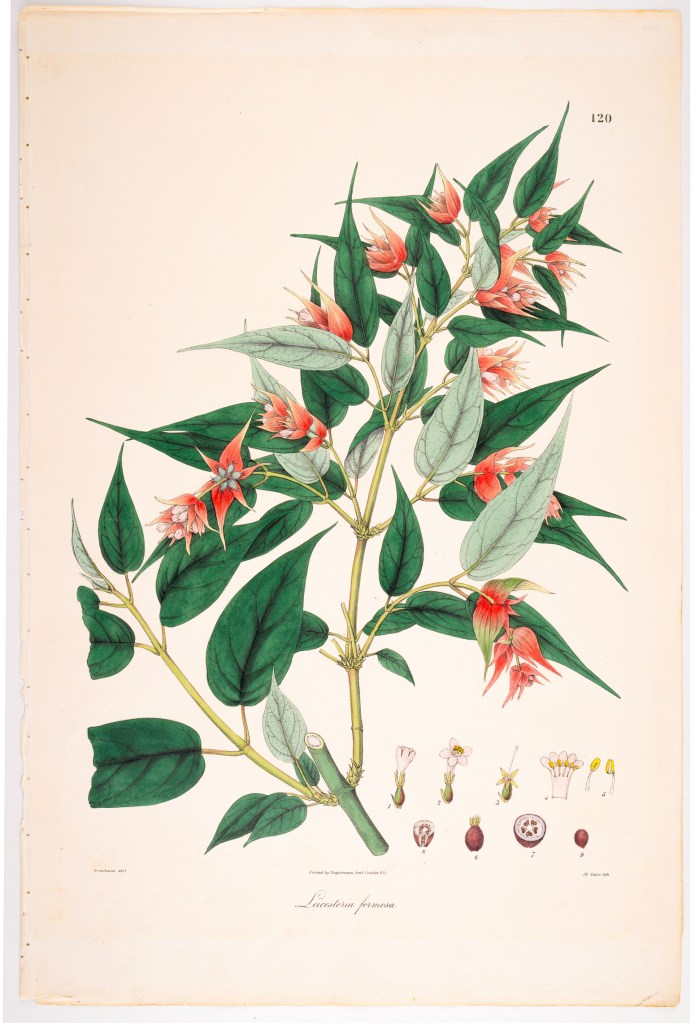
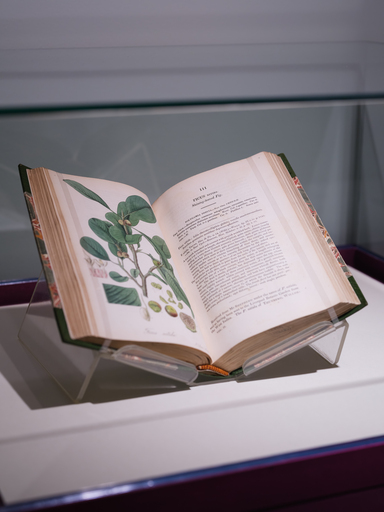
Leicesteria formosa Salvia cana Plantae Asiaticae Rariores, Volume 2 Author: Nathaniel Wallich Artist: Gorachand, 1831 credit MAP
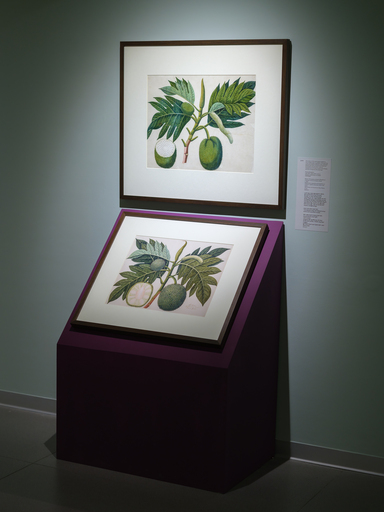
credit Philippe Calia
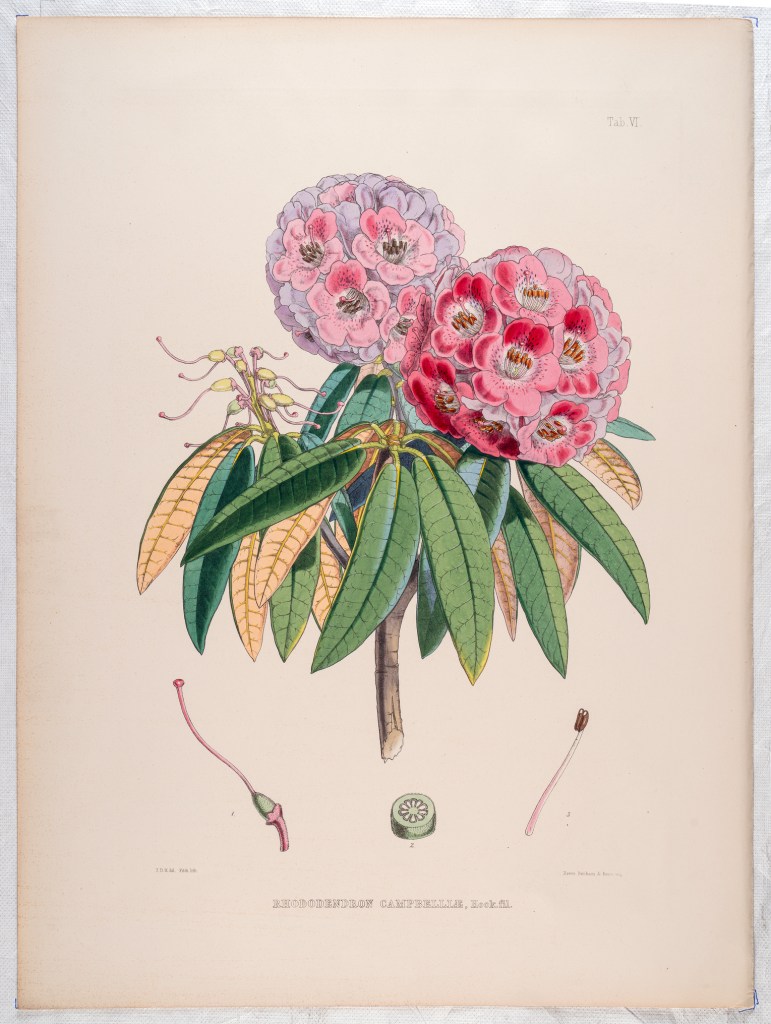
Rhododendron campbelliae, Hook.fil. The Rhododendrons of Sikkim-Himalaya Author & Artist: Joseph Dalton Hooker, 1849 credit MAP
The exhibition design further enhances the visitor experience. Curated by Shrey Maurya, Research Director of Impart, formerly MAP Academy, the galleries are thoughtfully organised, and the interpretive materials successfully communicate complex ideas without overwhelming the audience. The depth of research behind the project is evident throughout, yet the visual experience remains at the centre of the exhibition. “We are thrilled to present this landmark exhibition, dedicated to botanical illustrations from the Indian subcontinent and the largest in scale,” says Maurya. “Drawing on MAP’s recently assembled collection of botanical art, Paper Gardens reexamines the long-obscured contributions of indigenous gardeners, collectors, and artists who made these archives possible. It is the beginning of what we hope will be fruitful research into recovering these essential stories.”
Through a powerful combination of scholarly rigour and curatorial sensitivity, MAP offers a necessary reassessment of colonial history and its enduring legacies. The result is an exhibition that captivates through its visual beauty while encouraging visitors to question the hidden histories embedded within every image.

