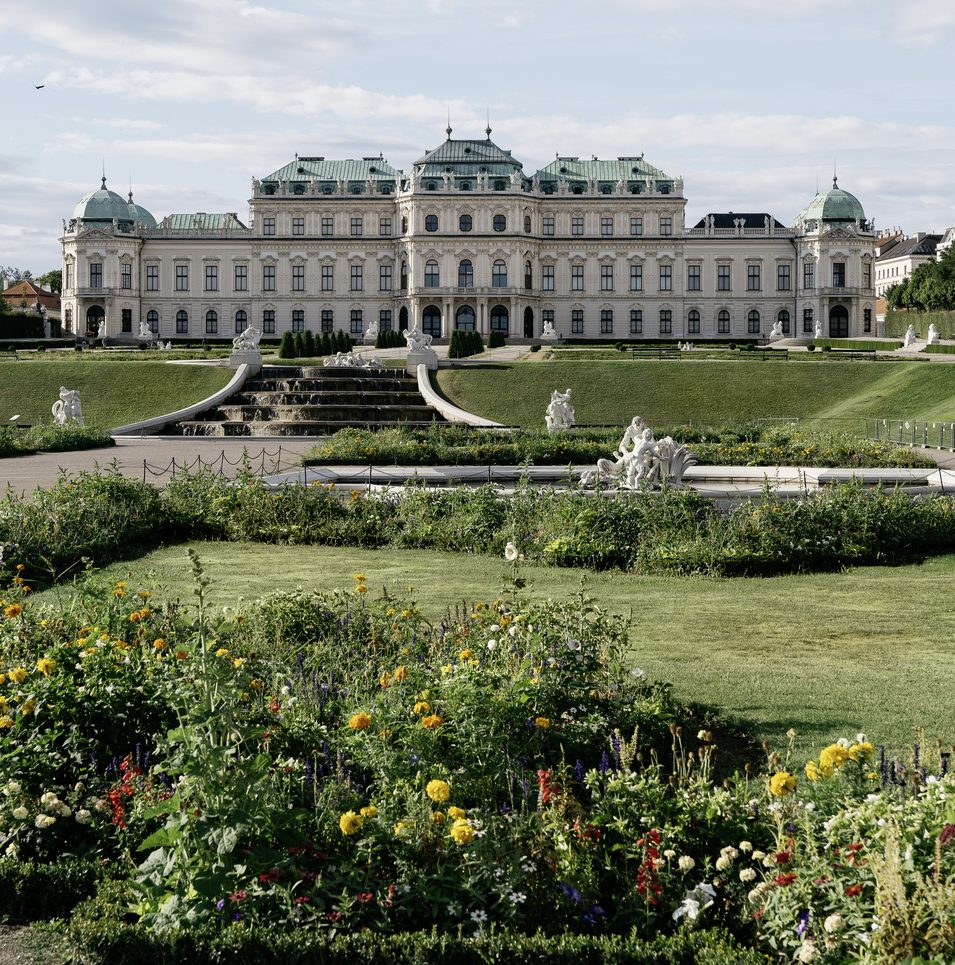
Located in the heart of Vienna, Austria, the Belvedere is one of Europe’s most remarkable cultural landmarks. Built in the early eighteenth century as the summer residence of Prince Eugene of Savoy and designed by the renowned Baroque architect Johann Lucas von Hildebrandt, the complex comprises the Upper Belvedere, the Lower Belvedere, and the magnificent gardens linking the two palaces. Recognized as a UNESCO World Heritage Site, the Belvedere is now one of Austria’s leading museums, housing an outstanding art collection ranging from the Middle Ages to contemporary art.
credit Wien Tourismus/Gregor Hofbauer
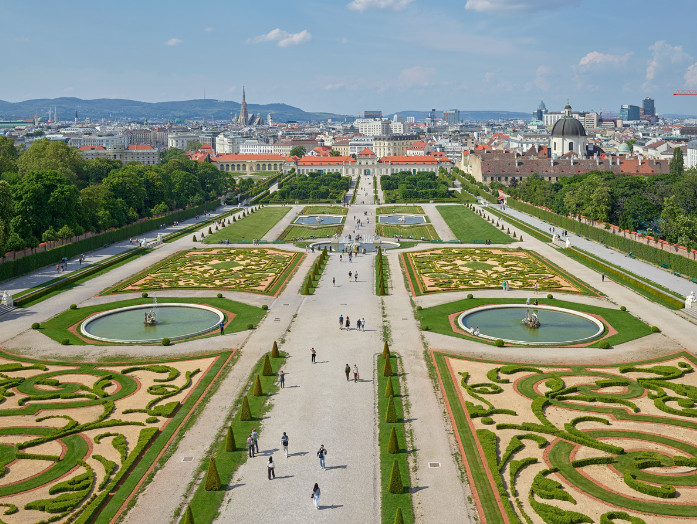
The Belvedere Gardens are among the finest examples of Baroque landscape architecture in Europe. Designed by landscape architect Dominique Girard, a pupil of André Le Nôtre, they feature elegant terraces, fountains, stairways, and carefully planned vistas that create a harmonious dialogue between architecture and nature. A stroll through these gardens offers visitors a glimpse into the refined atmosphere of imperial Vienna.
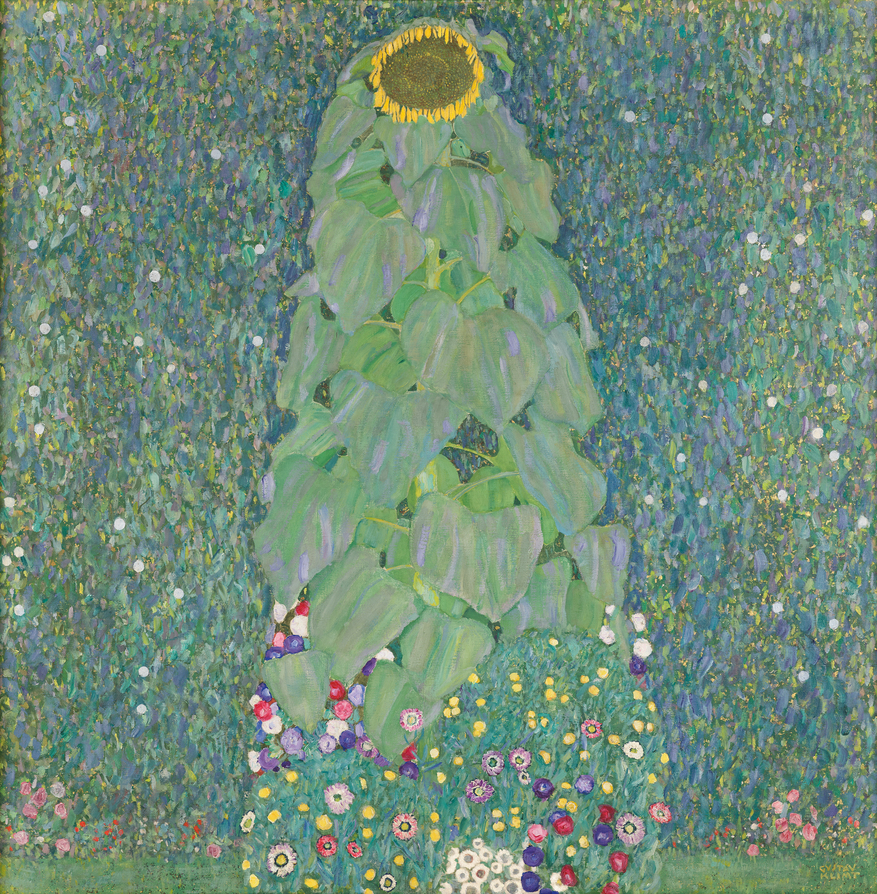
One of the highlights of the Upper Belvedere is the world’s largest collection of paintings by Gustav Klimt. The museum owns twenty-four works by the celebrated Viennese Secession artist, including the iconic The Kiss, an international symbol of Art Nouveau, and Judith. Alongside these masterpieces are several remarkable landscapes painted during Klimt’s summer stays at Lake Attersee. Among them is the Sunflower (1907-8), one of the most beloved works in the collection. In this painting, Klimt transforms a simple natural motif into a vibrant decorative composition distinguished by rich colours and exquisite botanical detail.
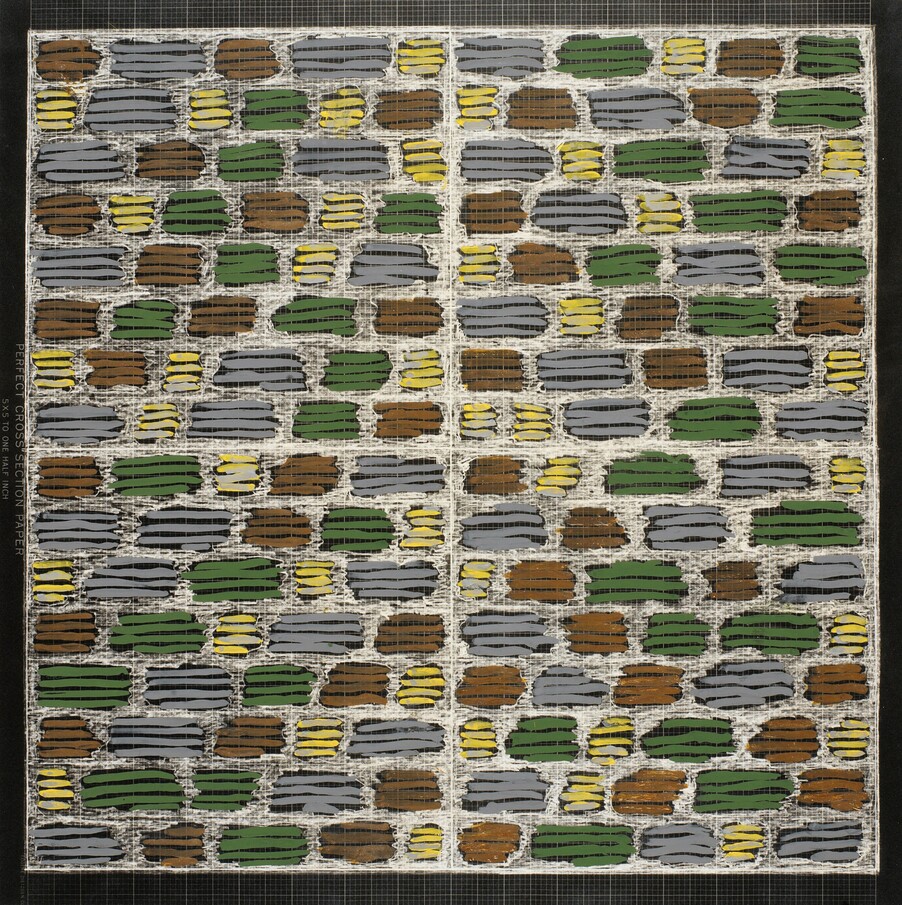
credit The Josef and Anni Albers Foundation, Bethany CT
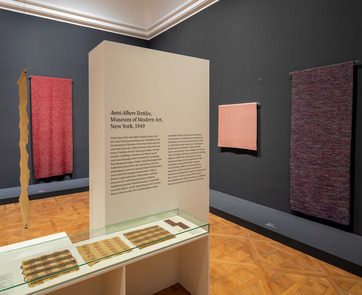
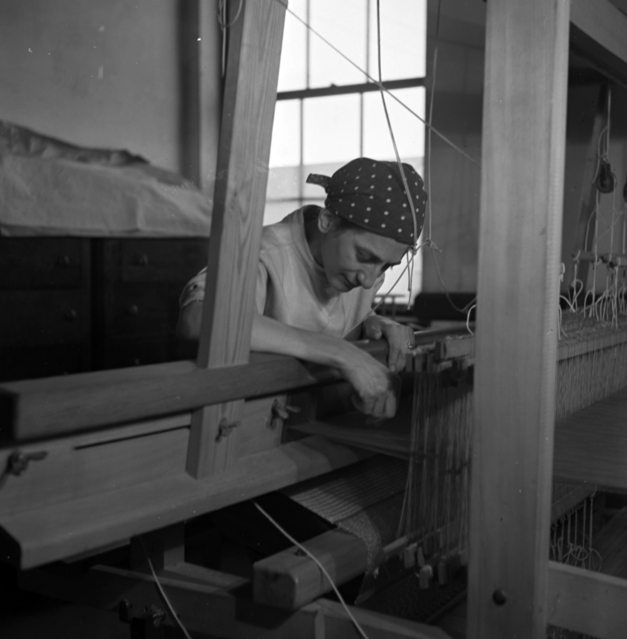
In 2026, the Lower Belvedere presents a major retrospective dedicated to Anni Albers, a pioneering figure in twentieth-century textile art and design. “Anni Albers. Constructing Textiles”, on view until 16 August 2026, explores more than six decades of creative work, from her formative years at the Bauhaus to her mature artistic production in the United States. Through textiles, material studies, designs, monumental weavings, and architectural projects, the exhibition highlights Albers’s groundbreaking role in redefining the boundaries between applied and fine art. She viewed textiles not merely as decorative objects but as a creative language capable of interacting with architecture and spatial design. The exhibition offers a compelling overview of an artist whose innovative vision helped establish textile art as an important medium within modern and contemporary art.
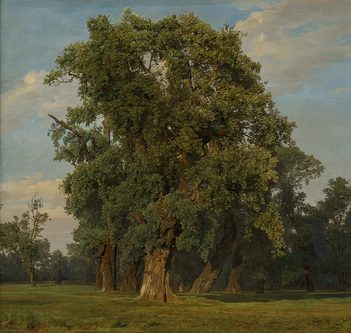
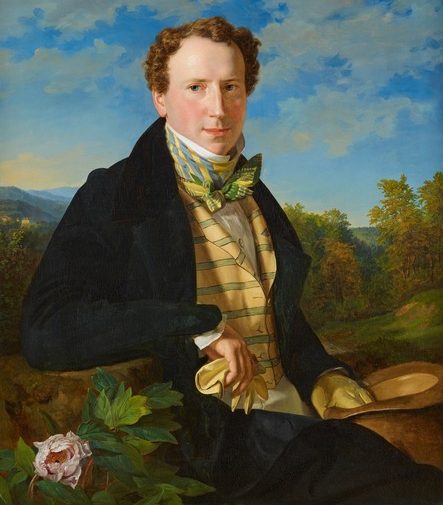
credit Belvedere/Johannes Stoll
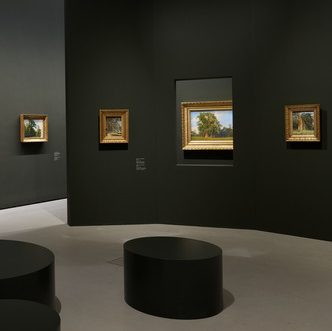
Until 14 June 2026, the Lower Belvedere also hosts “Ferdinand Georg Waldmüller. True to Nature”, an exhibition offering a fresh perspective on one of the leading figures of Austrian Biedermeier painting. Best known for his portraits and scenes of everyday life, Waldmüller was also an exceptional landscape painter who depicted nature with remarkable precision and direct observation. The exhibition focuses on this aspect of his work, bringing together views of the Vienna Woods, the Salzkammergut, and other locations that inspired the artist throughout his career. By placing his paintings alongside works by European contemporaries such as John Constable and Jean-Baptiste Camille Corot, the exhibition situates Waldmüller within the broader context of nineteenth-century naturalism. Visitors gain insight into how he transformed landscape from a simple backdrop into a central subject, creating works that continue to shape our perception of the Austrian countryside today.
From the elegance of its Baroque gardens to the brilliance of Klimt’s paintings and the diversity of its temporary exhibitions, the Belvedere brings together art, history, and architecture in an exceptional setting. As one of Vienna’s most celebrated cultural institutions, it continues to inspire visitors from around the world with its ability to connect the artistic achievements of the past with the creative ideas of the present.

