Some books are meant to be read from cover to cover; others remain on the desk as enduring reference works. Le parole del giardino. Storia, forme, elementi compositivi (The Words of the Garden: History, Forms and Compositional Elements) undoubtedly belongs to the latter category. Written by Vincenzo Cazzato, Maria Adriana Giusti and Franco Panzini, three of Italy’s leading scholars in garden history and landscape studies, the volume fills a long-standing gap in Italian literature by offering an authoritative guide to the language of gardens.
At first glance, the title might suggest a technical glossary. In reality, the book is far more ambitious. Its more than six hundred entries go beyond defining specialist terminology; together they reconstruct the cultural evolution of gardens across the centuries, revealing how language reflects changing design principles, artistic movements and the relationship between people and nature. Every entry becomes an opportunity to explore the historical and cultural context behind a garden feature, transforming a reference work into a fascinating intellectual journey.
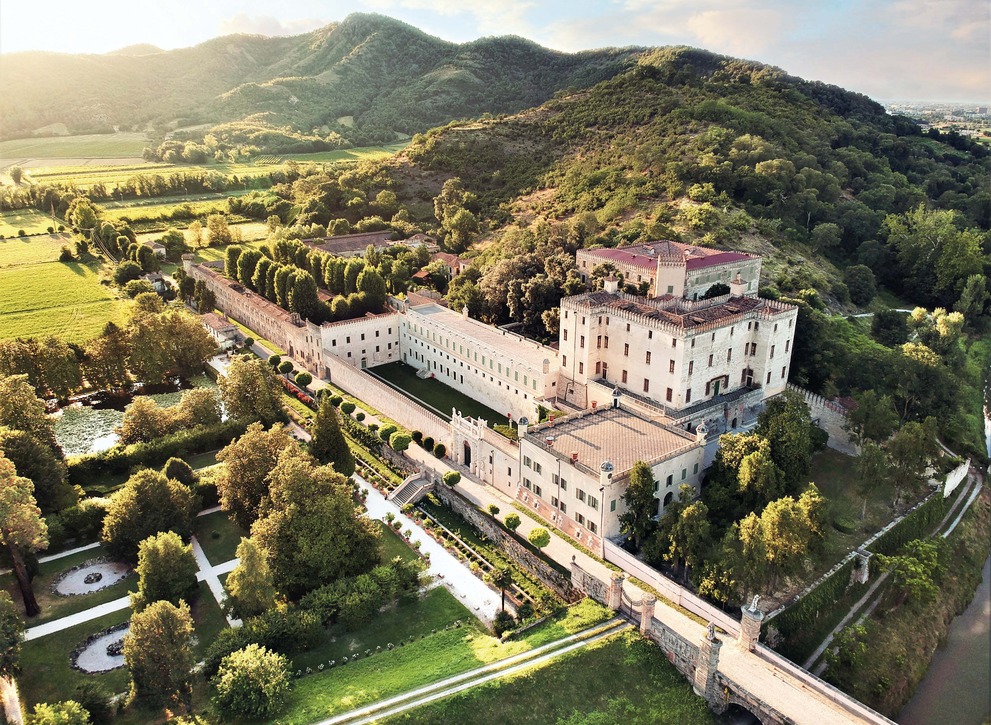
credit Gangemi Editore
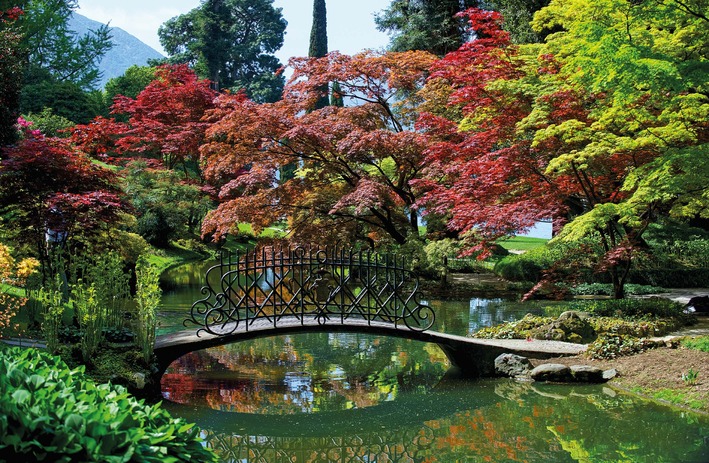
Organised into twelve thematic sections, the volume is one of those rare publications capable of serving multiple audiences. Readers move effortlessly from plant architecture and water features to historic garden typologies, decorative elements, restoration techniques and conservation principles. This breadth makes the book equally valuable for landscape architects, garden historians, conservation professionals, botanists, students and anyone involved in the interpretation and management of historic landscapes.
One of the publication’s greatest strengths lies in its emphasis on the importance of terminology. At a time when complex concepts are often simplified, the editors remind us that precise language is essential for understanding, designing and preserving gardens. Every term carries centuries of artistic traditions, botanical knowledge, engineering expertise and symbolic meaning. By recovering this vocabulary, the book also safeguards an important part of Europe’s cultural heritage.
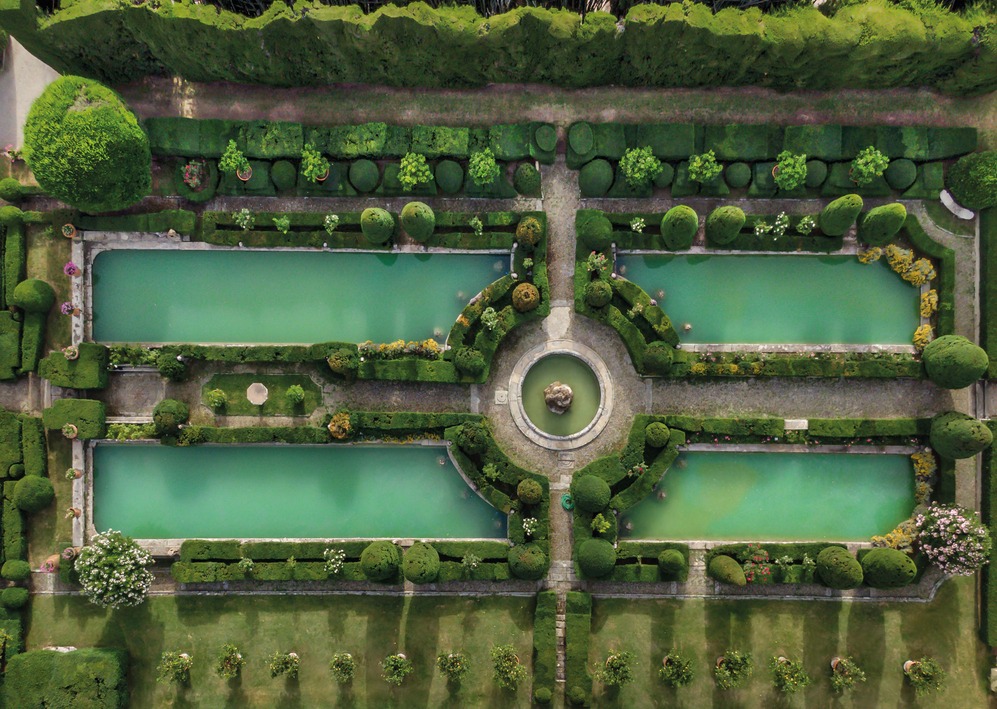
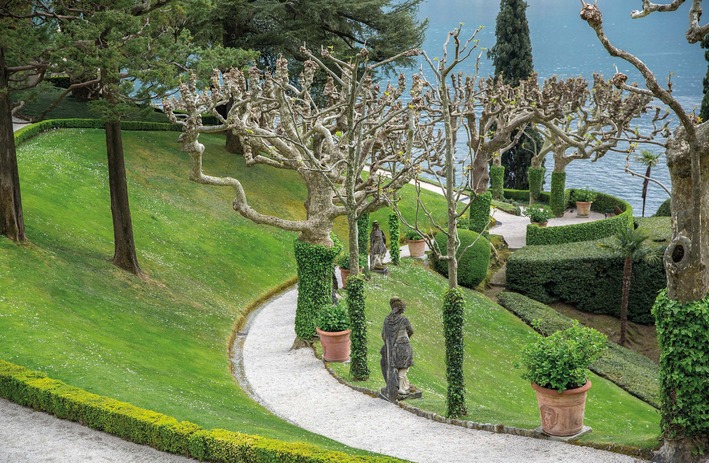
credit Gangemi Editore
Another particularly welcome aspect is its dialogue with contemporary practice. Alongside historical terminology, the final chapters introduce concepts related to climate change, ecological resilience and emerging approaches to landscape management. This contemporary perspective prevents the book from becoming merely retrospective, instead presenting the historic garden as a living cultural landscape facing the environmental challenges of the twenty-first century.
Gangemi Editore has long established itself as one of Italy’s foremost publishers in architecture, heritage and landscape studies, and this beautifully produced hardcover volume reflects that tradition. The careful editorial design reinforces its role as a lasting scholarly resource rather than a publication intended for a single reading.
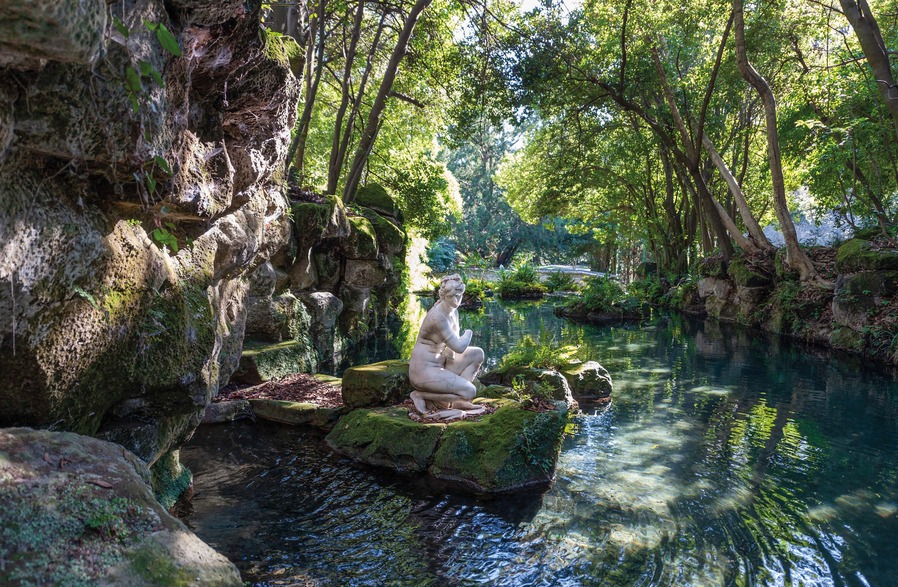
credit Gangemi Editore

credit Gangemi Editore
If one limitation can be identified, it is perhaps that the richness of its terminology may initially appear demanding for readers without prior knowledge of garden history. Yet this complexity is ultimately one of the book’s greatest virtues. Rather than simplifying the subject, the authors embrace its richness and encourage readers to engage with the extraordinary diversity of garden culture.
Ultimately, Le parole del giardino stands out as one of the most significant Italian publications on garden history to appear in recent years. It is not simply a glossary but an essential work of interpretation that demonstrates how gardens can only be fully appreciated through an understanding of the language that has shaped them for centuries. For scholars and professionals it is destined to become an indispensable reference; for enthusiasts it offers an invitation to look at gardens with renewed curiosity, recognising that every landscape tells its story not only through its design and vegetation, but also through the words that define it.
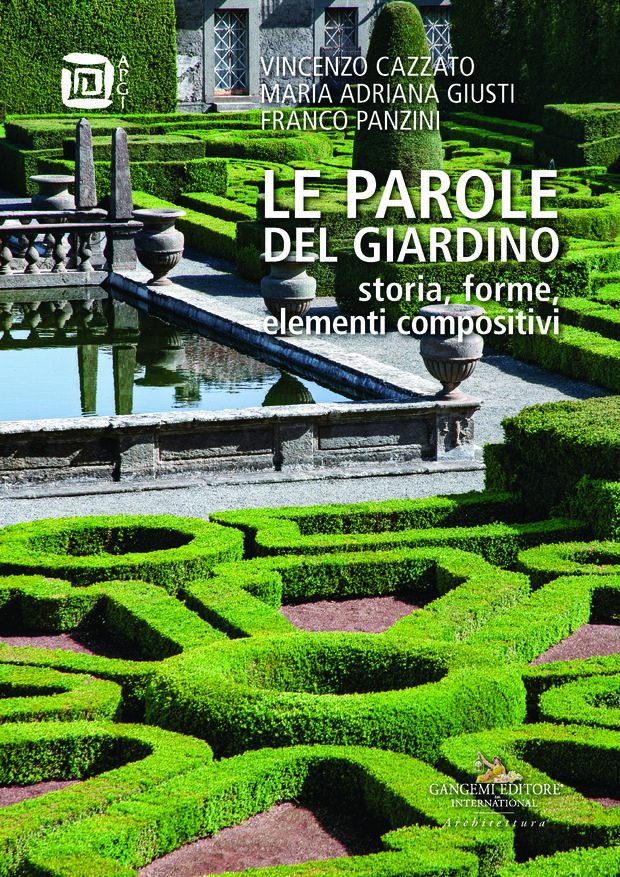
credit Gangemi Editore


Thanks for sharing this excellent review. Your description beautifully captures how the book gradually immerses readers in Italy’s history, gardens, and architecture. It sounds like a truly worthwhile read.
LikeLike