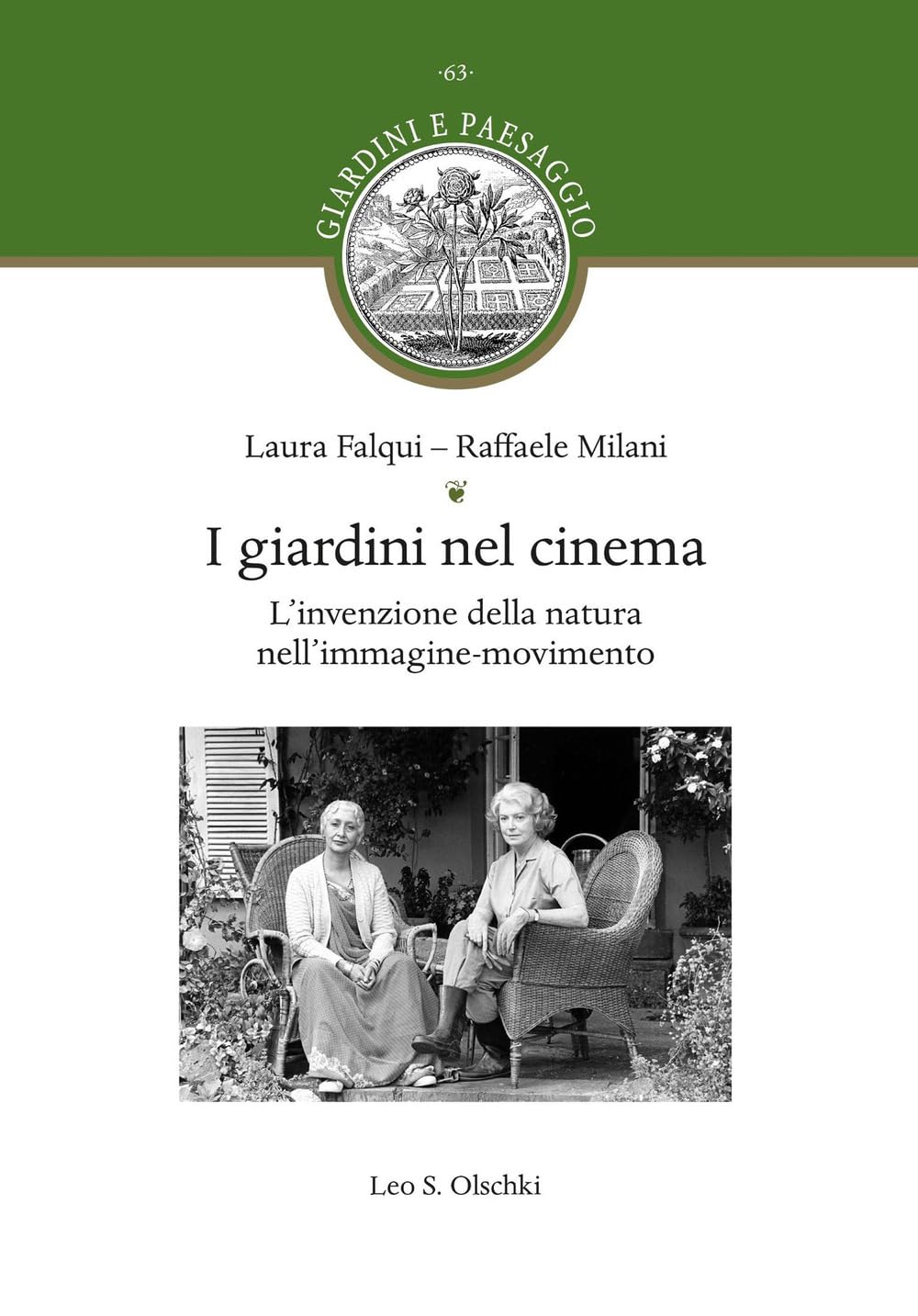
What happens when a garden enters a film? It is no longer simply a garden. Through the camera, it becomes a place of memory, desire, imagination, power and transformation.
In I giardini nel cinema. L’invenzione della natura nell’immagine-movimento (Gardens in Cinema: The Invention of Nature in the Moving Image), published by Leo S. Olschki Editore, Laura Falqui and Raffaele Milani explore the fascinating relationship between gardens and cinema, investigating how the moving image has transformed nature into a visual, emotional and cultural experience. The garden is not merely a backdrop, but an active presence, capable of shaping a narrative, reflecting states of mind and creating its own perception of time and space.
The book is divided into three sections, each opening a different perspective on the cinematic garden: La cura del giardino (The Care of the Garden), Il parco (The Park), and Luoghi fantastici, Immaginari, Incantati (Fantastic, Imaginary and Enchanted Places).
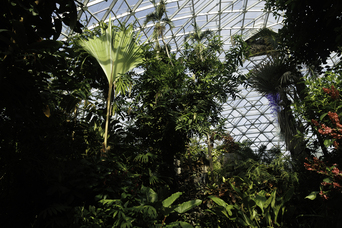
Courtesy of the Missouri Botanical Garden
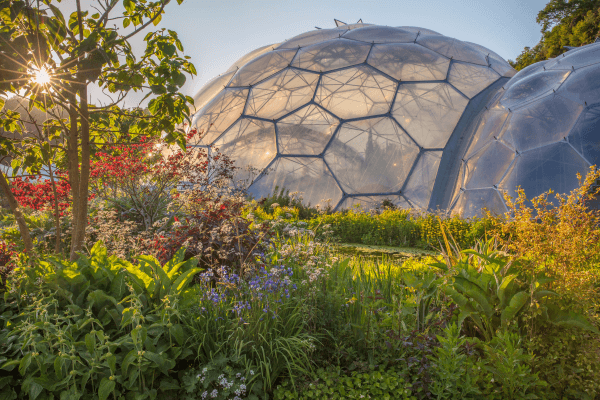
The first section, The Care of the Garden, considers the garden as a space shaped and cared for by human beings, but also as a place where nature and imagination can meet. Silent Running (2002: The Second Odyssey, 1971) carries this reflection into a futuristic and almost visionary dimension. The last surviving forms of plant life on Earth are preserved inside enormous orbital greenhouses, transforming the garden into a fragile living archive of the planet. Nature is no longer simply observed or cultivated: it must be protected, preserved and saved by humanity. The garden thus becomes a memory of Earth and, at the same time, a question about the future of humankind.
The second section, The Park, expands the garden into a broader landscape, where nature becomes intertwined with history, society and representation. Barry Lyndon (1975) transforms the landscape into a succession of almost painterly compositions, evoking the visual culture of the eighteenth century. In Marie Antoinette (2006), Versailles becomes an essential part of the film’s visual language, expressing privilege, beauty, artifice and excess. A Little Chaos (Le regole del caos, 2014), set against the creation of the gardens of Versailles, approaches landscape as an act of design: the garden becomes a place where geometry, order and the freedom of nature are constantly negotiating with one another.
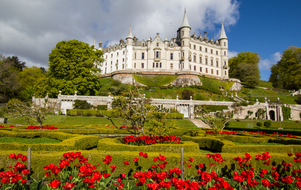
location of ‘Barry Lyndon’ credit Dunrobin Castle
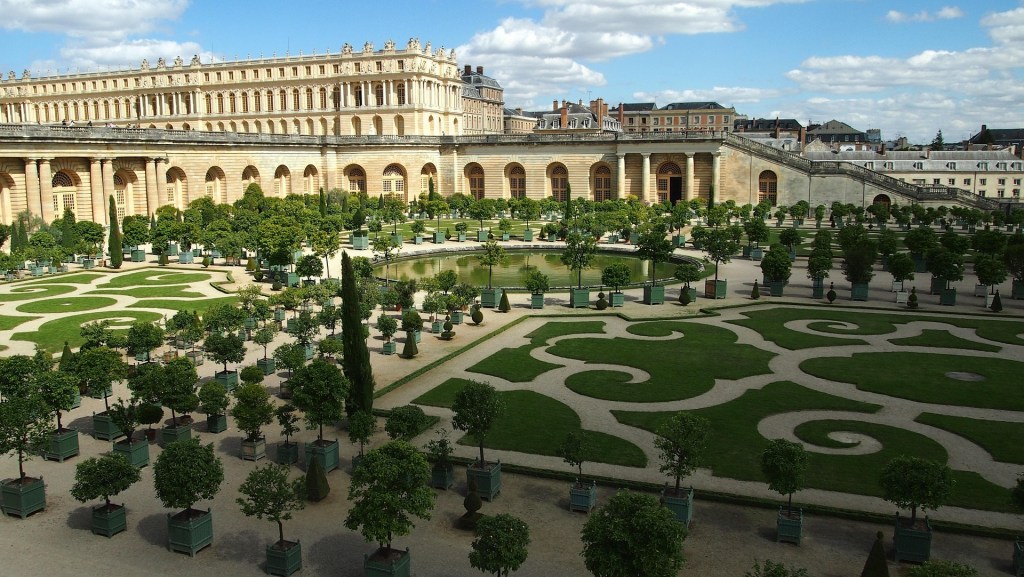
in ‘Marie Antoniette’ or ‘A little Chaos’
credit ahundt
The third section, Fantastic, Imaginary and Enchanted Places, leads towards gardens suspended between physical reality and imagination. In Much Ado About Nothing (Molto rumore per nulla, 1993), the garden becomes a theatrical space for encounters, desire, misunderstandings and reconciliation. In Last Year at Marienbad (L’anno scorso a Marienbad, 1961), its geometric paths and mysterious repetitions create an almost dreamlike labyrinth in which memory and reality become impossible to separate.
The enchanted garden takes on a more intimate dimension in The Secret Garden (Il giardino segreto, 1993), where the hidden landscape becomes a metaphor for discovery, renewal and inner transformation. Similarly, in The Enchanted April (Un’incantevole aprile, 1991), the Italian garden represents an escape from everyday life, opening the possibility of another existence through light, beauty and nature.

location of ‘Much Ado About Nothing‘
credit Vignamaggio
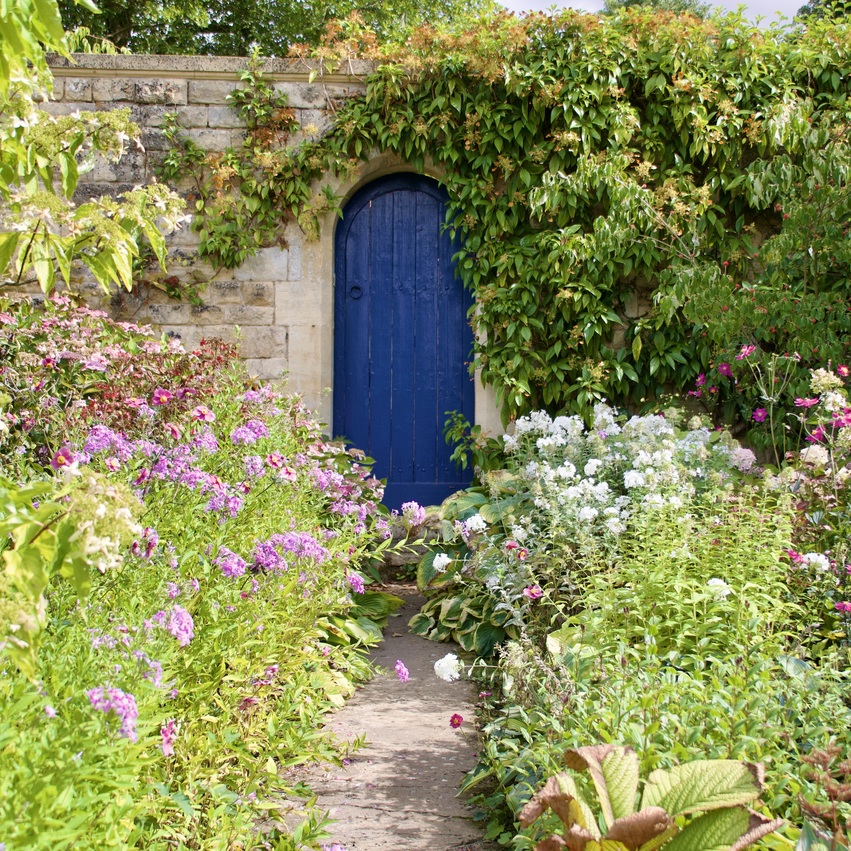
A garden reminiscent of ‘The Secret Garden‘
credit murrayderek
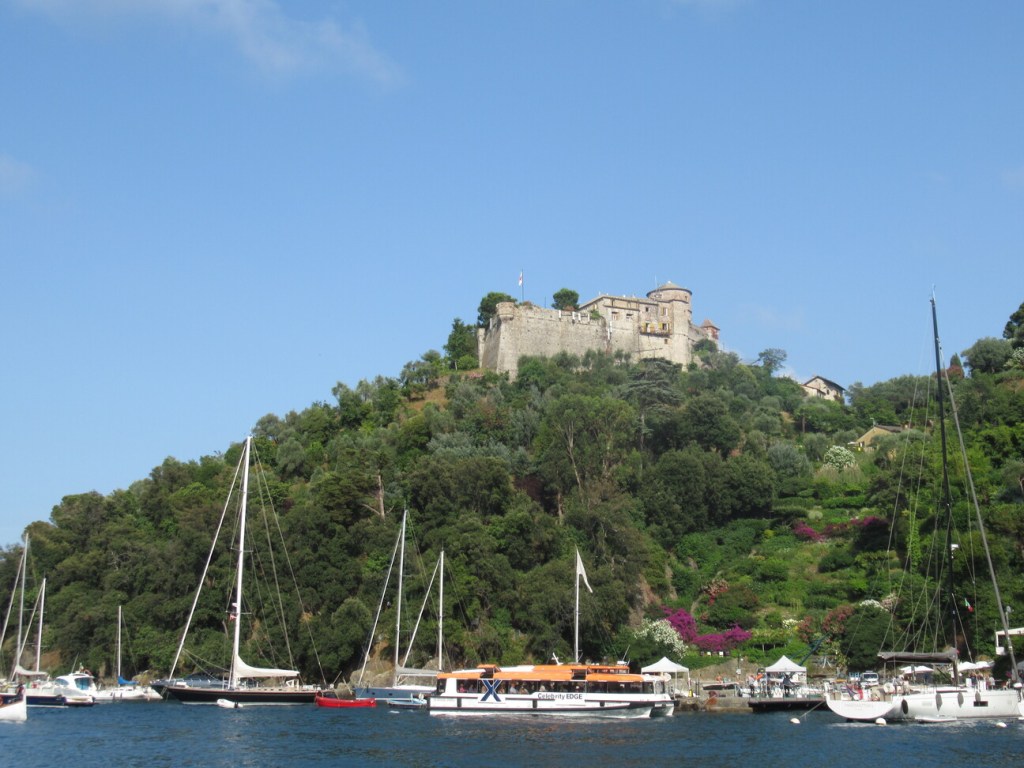
Through these films, Falqui and Milani demonstrate that cinema does not simply reproduce gardens: it reinvents them through movement, framing, light, memory and time. The garden becomes an image within the image, at once physical landscape and imagined landscape.
Perhaps this is the most fascinating journey offered by the book: learning to look beyond the garden we see on screen, towards the garden that cinema creates within our imagination.