At the Grand Trianon, the Château de Versailles, in Versailles, France presents ‘Gardens of the Enlightenment, 1750–1800‘, an exhibition exploring a decisive moment in the history of landscape design, when the ordered geometry of the French formal garden gave way to a new fascination with irregularity, nature and the picturesque.
Running until 27 September 2026, the exhibition brings together nearly 160 works, including paintings, drawings, furniture, architectural designs and costumes. Together, they reveal how the landscape garden became far more than a new way of arranging plants and paths: it became a cultural expression of the changing ideas and sensibilities of eighteenth-century society.
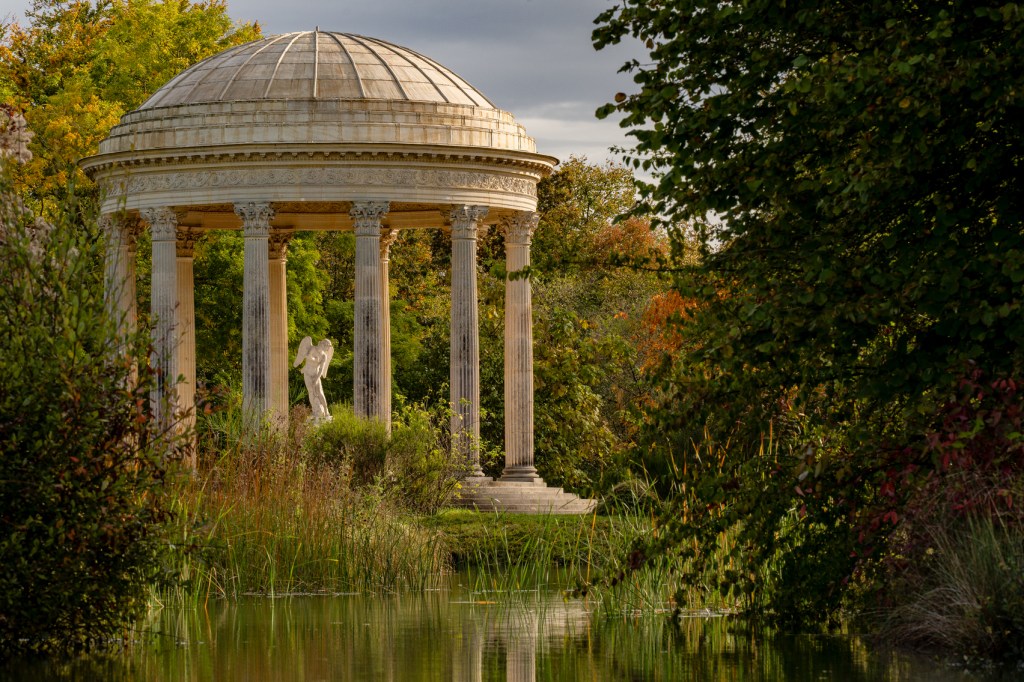
credit Château de Versailles / M. Toumi
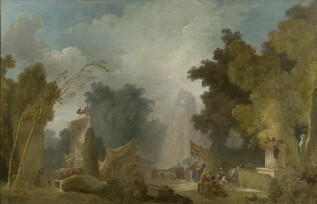
Festivities at Saint-Cloud, 1775/1780
credit Banque de France
The first part, Gardens of Illusion, traces the emergence of the landscape, pleasure and picturesque garden, a fashion that developed in England during the 1730s. In contrast to the geometric discipline of the French formal garden, these new landscapes appeared spontaneous and natural, although their winding paths, streams, grottos, hills and ornamental buildings were carefully orchestrated.
The garden became a place of discovery. A walk could evoke ancient Greece or Rome, distant China, Egypt, pastoral landscapes or imaginary worlds. Temples, pyramids and pagodas transformed the landscape into a theatrical setting, while paintings by artists such as Hubert Robert captured its capacity to inspire emotion, surprise and contemplation.
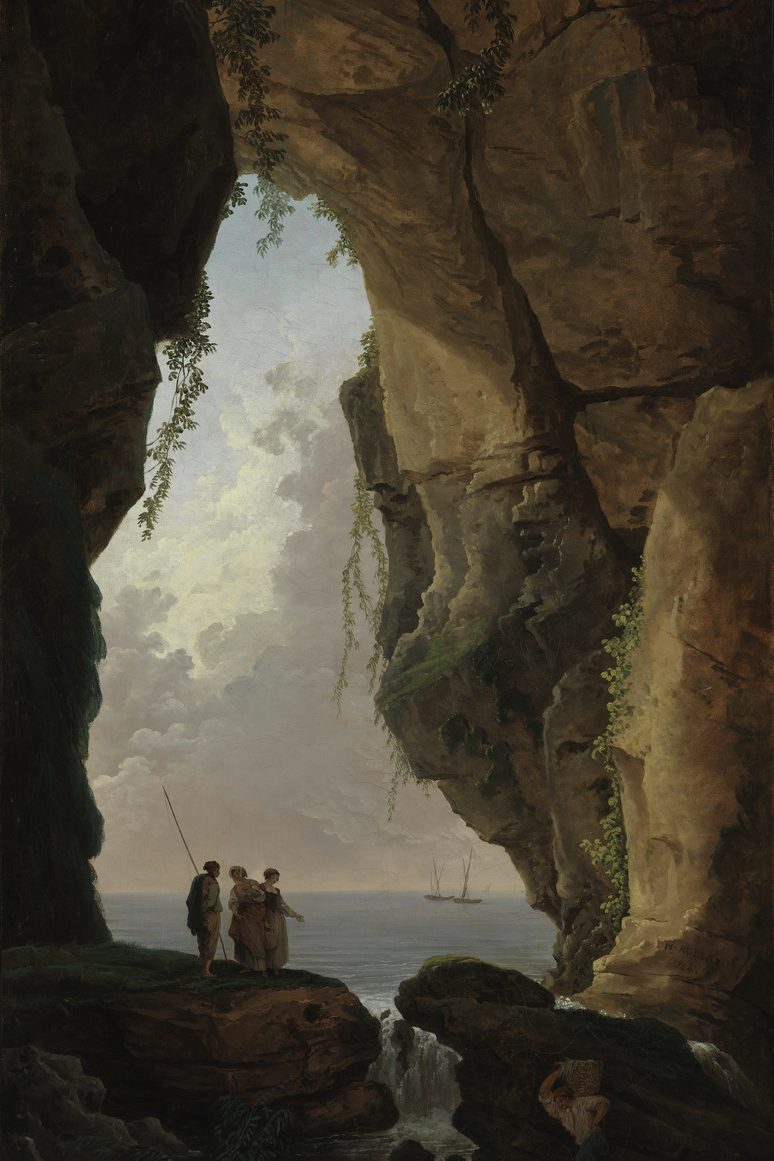
credit The Metropolitan Museum of Art, Dist. GrandPalaisRmn
image of the MMA
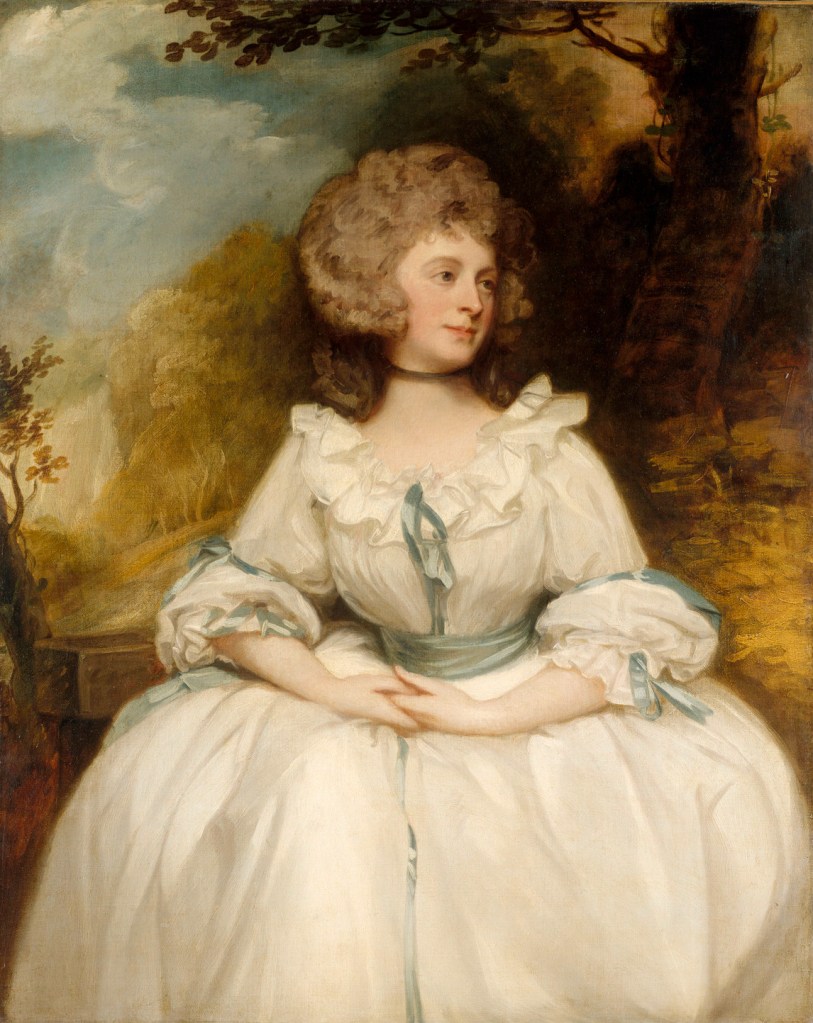
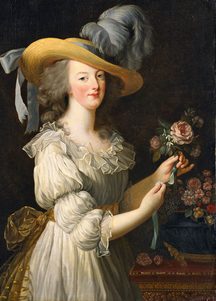
The second section, Life in the Garden, explores the transformation of aristocratic life that accompanied this new landscape aesthetic. Gardens became places for strolling, conversation, intimacy and display. Lighter clothing, straw hats, outdoor furniture and other accessories reflected the emergence of an elegant, idealised country life. Portraits by Élisabeth Vigée Le Brun and George Romney capture this changing relationship between people and their surroundings.
The influence of the garden extended into the decorative arts. Bamboo furniture, reed chairs and objects inspired by grottoes, antiquity and exotic cultures demonstrate how the landscape aesthetic entered everyday life, dissolving the boundaries between nature, architecture and design. The exhibition also explores the intellectual dimension of these landscapes, particularly the influence of Jean-Jacques Rousseau and the growing association between nature, walking, meditation and reverie.
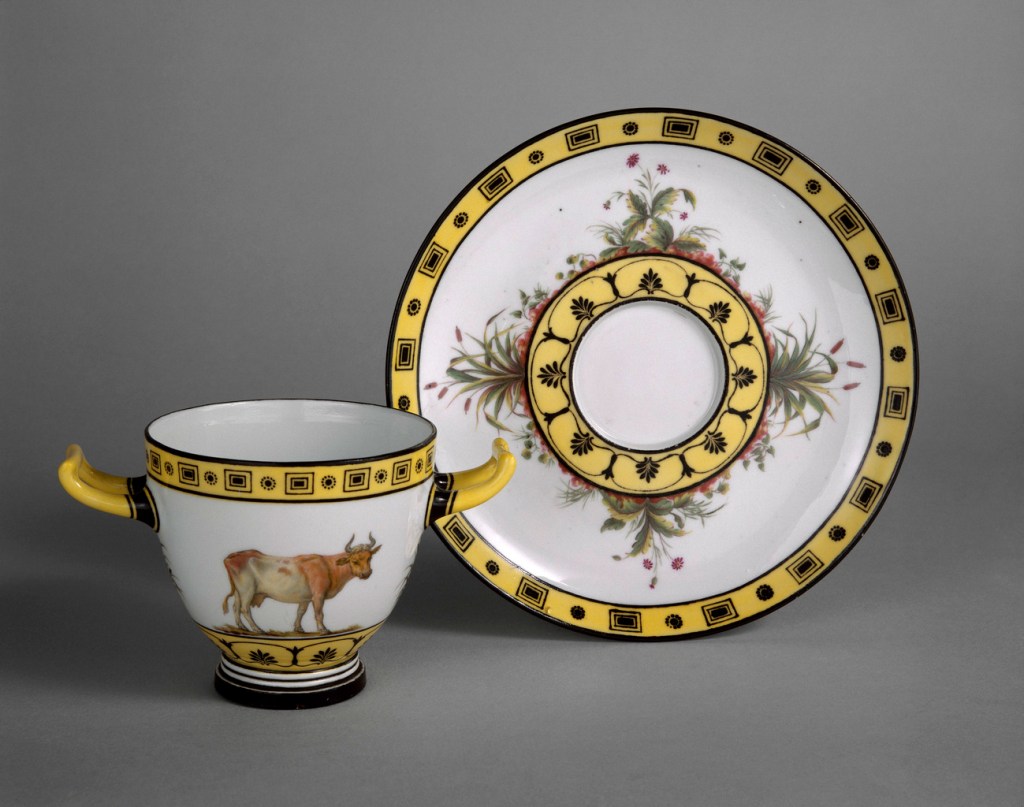
credit GrandPalaisRmn (Sèvres – Manufacture et musée nationaux) Martine Beck-Coppola
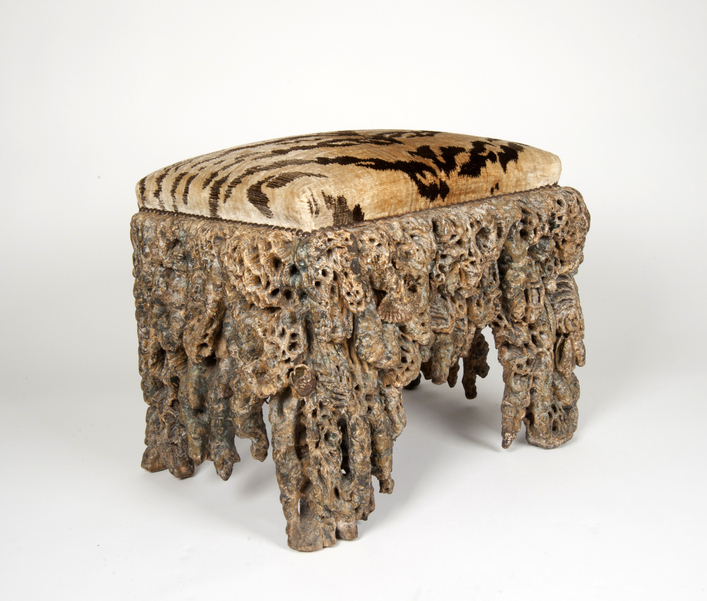
credit The Bowes Museum, County Durham / Martine Beck-Coppola
This connection between landscape and imagination is particularly vivid in the exceptional reunion of four paintings by Hubert Robert from the Metropolitan Museum of Art, recreating the spectacular atmosphere of the bathroom at the Château de Bagatelle. Here, even an interior becomes an extension of the garden experience.
The exhibition ultimately leads visitors beyond the gallery and into the Domain of Trianon itself. From 1774, Marie Antoinette commissioned an English-style garden at the Petit Trianon, developed by architect Richard Mique and gardener Antoine Richard with lakes, hills, grottos and winding waterways. The Temple of Love, Belvedere and Queen’s Hamlet became emblematic elements of this new landscape.
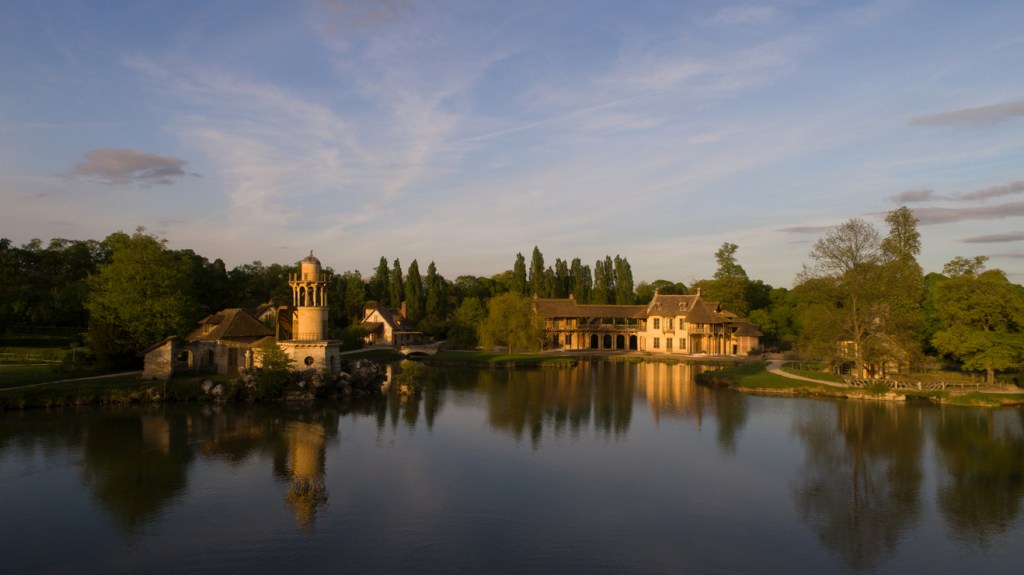
credit Château de Versailles / T. Garnier
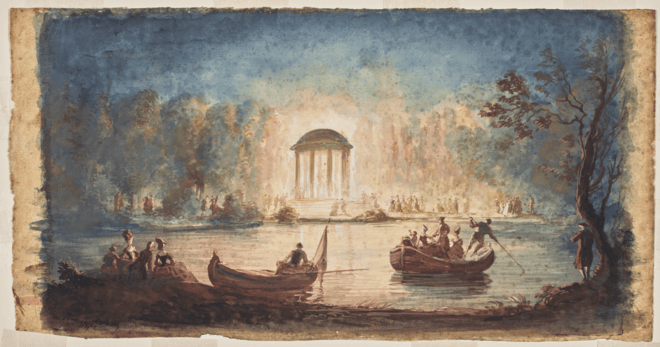
The journey concludes with the garden as a festive stage, illuminated by celebrations, performances and nocturnal entertainments. In these ephemeral landscapes of wonder and illusion, the garden became a theatre of pleasure and a remarkably modern expression of the art of living.
Gardens of the Enlightenment, 1750–1800 therefore offers more than a historical account of landscape design. It invites us to reconsider the garden as a cultural space where nature, art, architecture and human experience meet and where a simple walk can become a journey through history, imagination and ideas.

