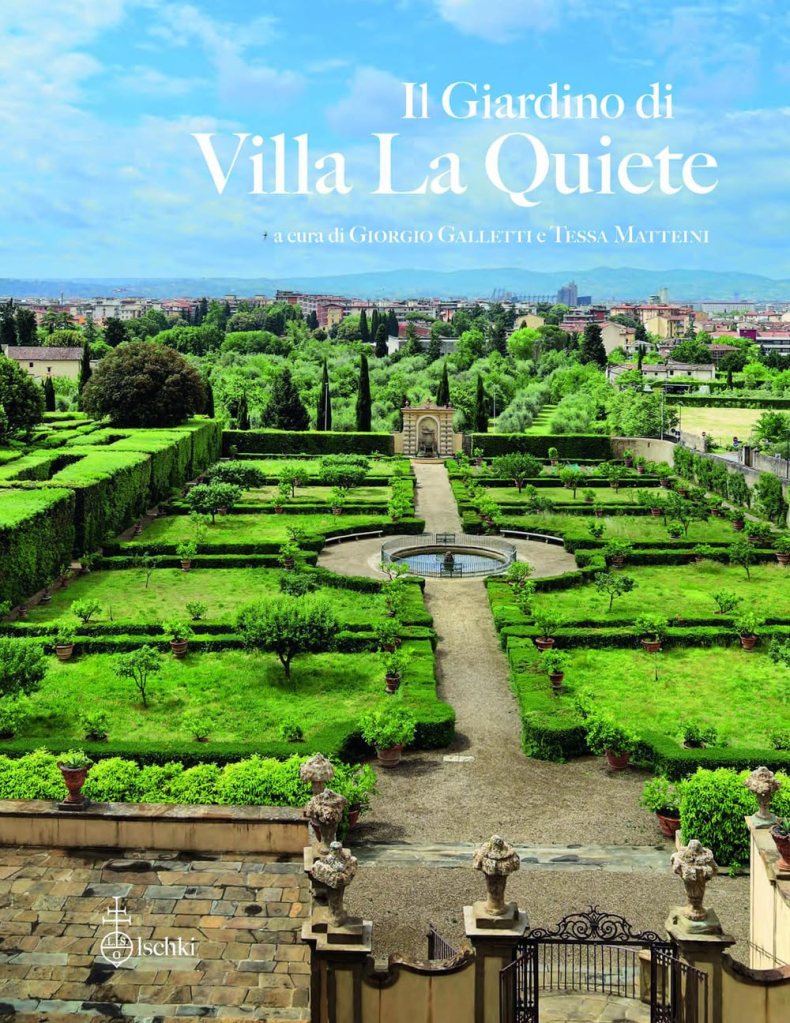
The volume Il giardino di Villa La Quiete. Strumenti ed esplorazioni interdisciplinari per la conservazione attiva, (The Garden of Villa La Quiete: Interdisciplinary Tools and Explorations for Active Conservation) edited by Giorgio Galletti and Tessa Matteini, with a preface by Alberta Campitelli, offers an extensive and up-to-date examination of one of the most fascinating and complex sites within Florence’s historic and landscape heritage. Published by Leo S. Olschki, the book grew out of the studies and research undertaken in connection with the recent restoration of the garden. Beyond documenting the intervention itself, it provides a broader reflection on contemporary approaches to the study, conservation, and management of historic gardens.
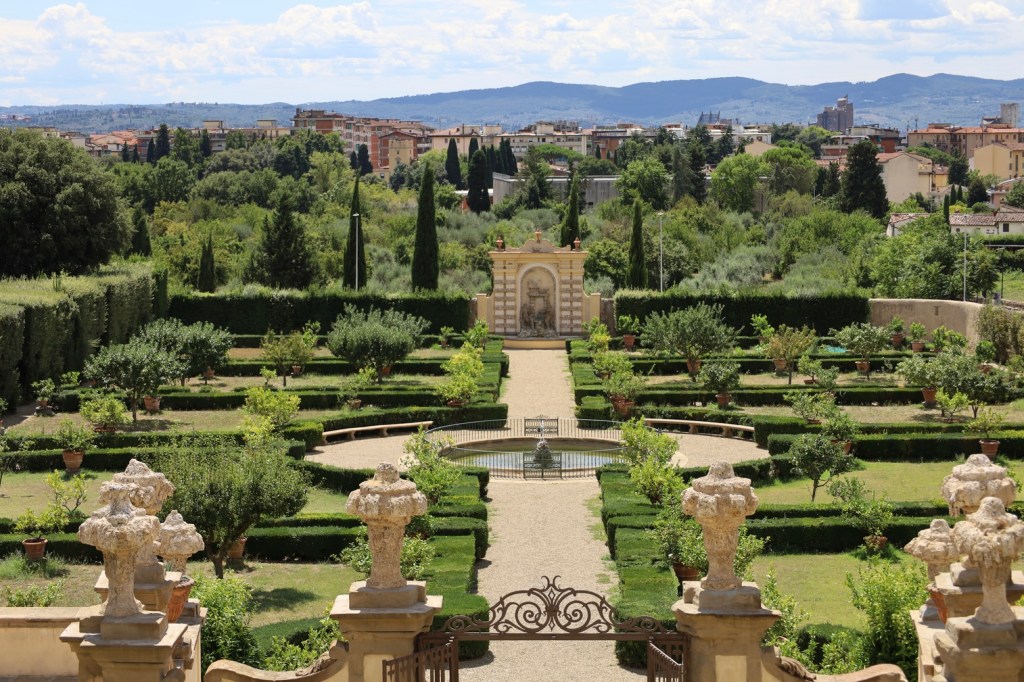
credit Università degli Studi di Firenze
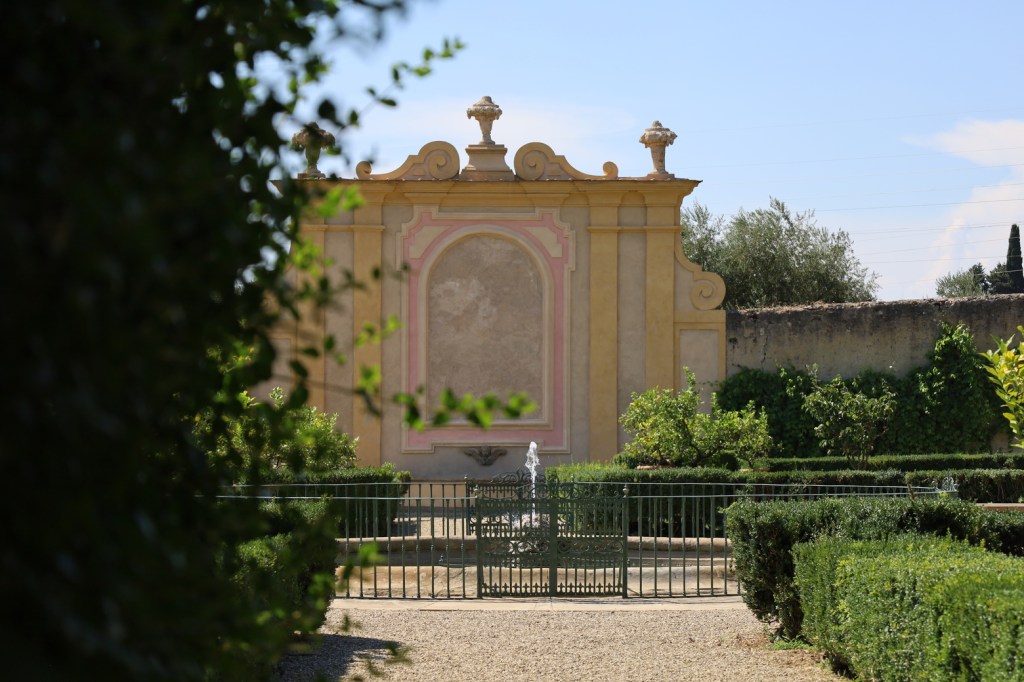
credit Università degli Studi di Firenze
Commissioned by Princess Anna Maria Luisa de’ Medici from 1724 onwards, the Garden of Villa La Quiete can be regarded as the last of the Medici gardens. Its location on the foothills of Monte Morello also places it within the extraordinary landscape sequence of the Medici villas around Florence, extending from Careggi to La Petraia and Castello. The volume effectively conveys this territorial dimension, demonstrating that La Quiete cannot be understood as an isolated site, but rather as part of a wider historical and landscape system.
The book’s greatest strength lies in the interdisciplinary approach announced in its title. Architecture, history, botany, landscape studies, conservation, and management all contribute to a form of knowledge that goes beyond reconstructing the past. The garden is instead understood as a living organism, subject to continuous transformation, patterns of care, and changing forms of use and interpretation. From this perspective, the restoration, funded through the PNRR and completed in the summer of 2025, becomes not an endpoint but one stage in an ongoing process of research and conservation.
credit Leo S. Olschki
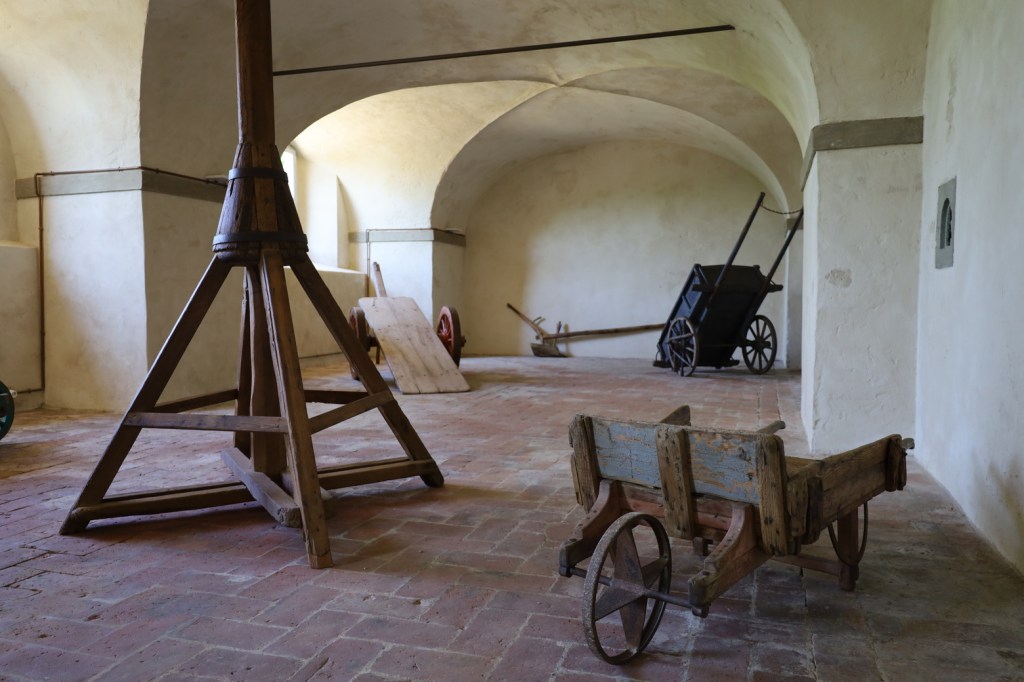
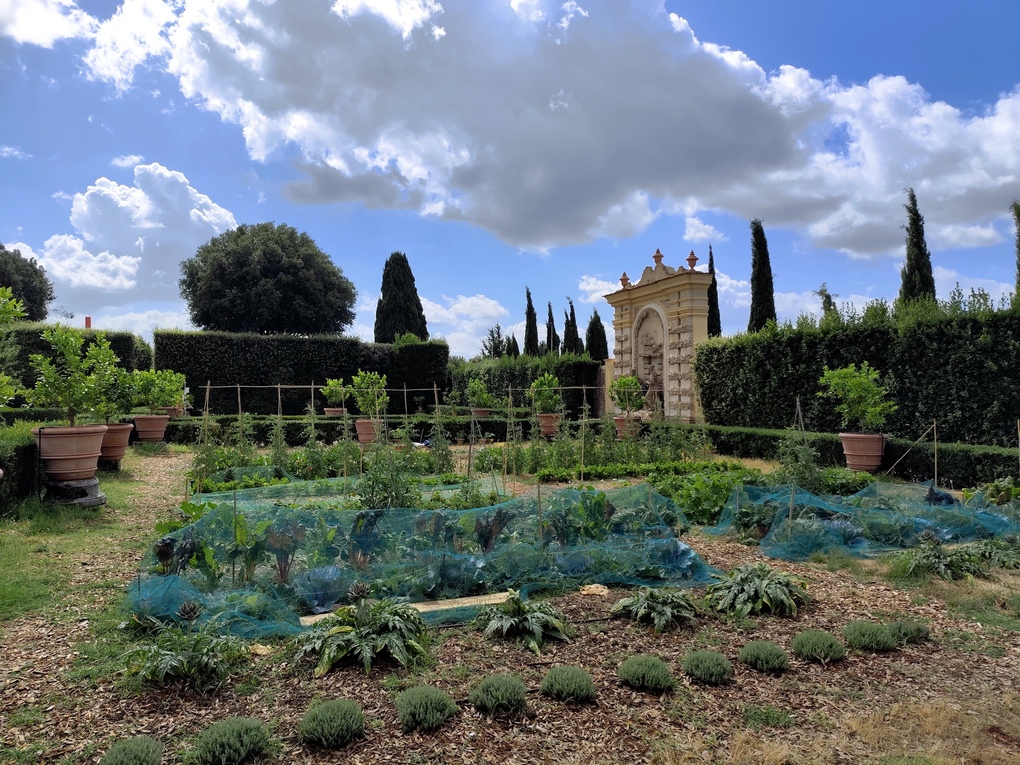
Particularly apt is the reference to Eugenio Battisti’s invitation to “reinvent the gardens of the past for the future.” This idea encapsulates the philosophy underlying the entire project: conservation does not mean freezing a heritage site in a supposedly original condition, but developing responsible ways of keeping it legible, vital, and accessible in the present. It is a dynamic understanding of heritage protection, in which scientific research and design are in constant dialogue.
The book also documents a distinctive working method. A permanent research group has gradually developed around Villa La Quiete, bringing together scholars and professionals from different fields. This collaboration is one of the most stimulating aspects of the project, as it connects specialist knowledge with the practical requirements of conservation and management.
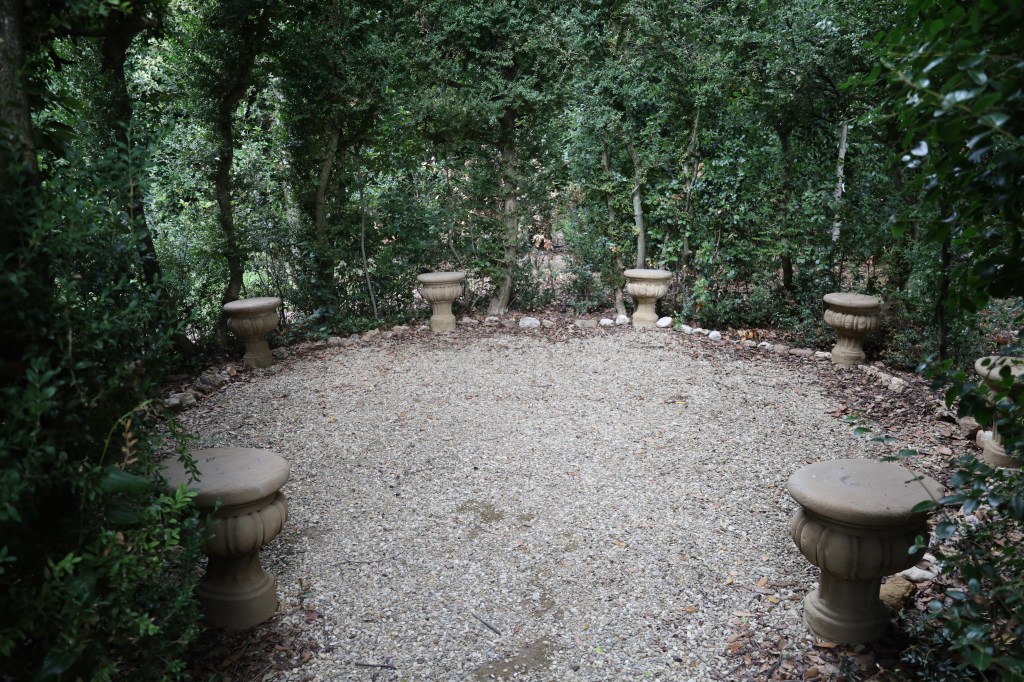
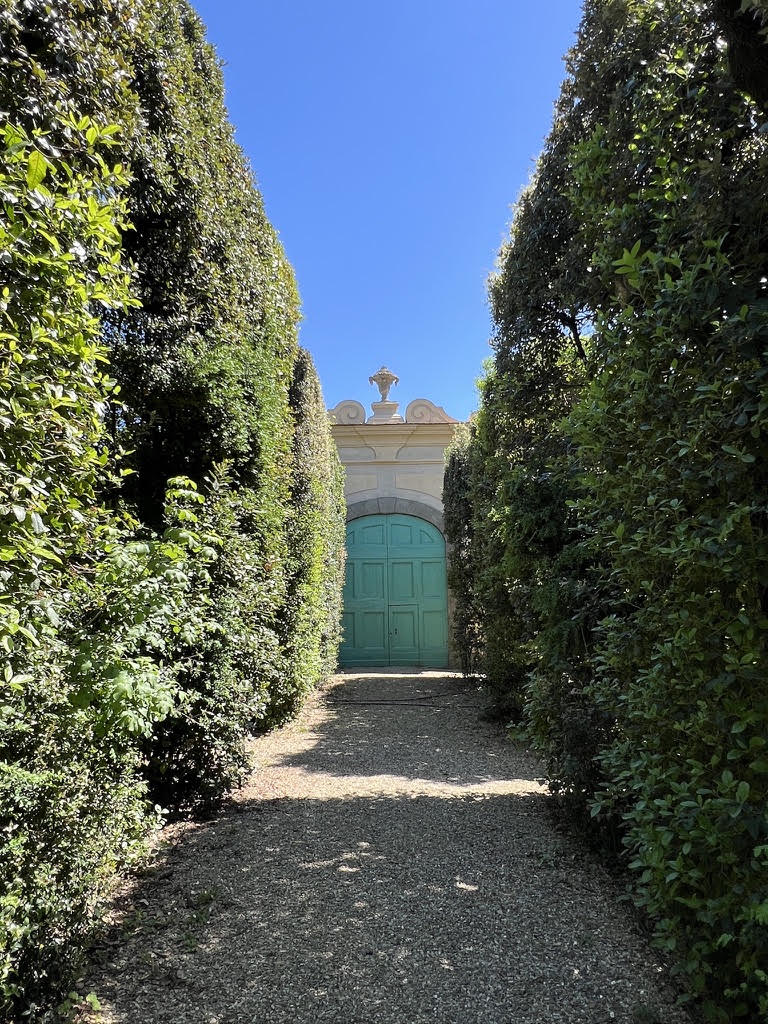
the historic bird-catching enclosure
credit Università degli Studi di Firenze
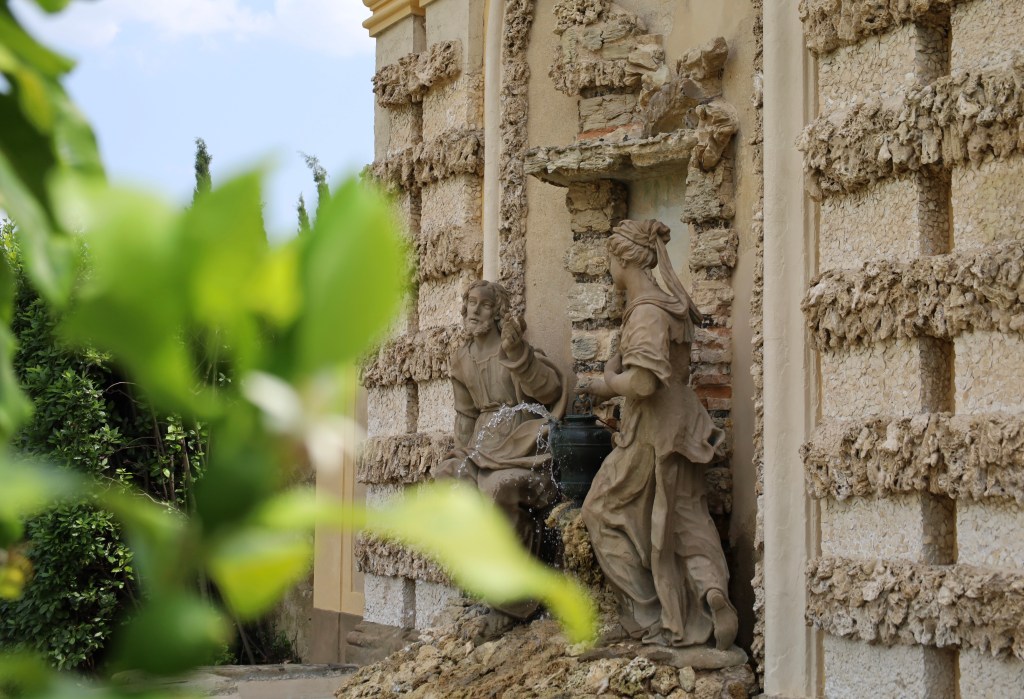
What emerges is the portrait of a heritage site that demands continuous interpretation. La Quiete is not merely a testimony to Medici history, but a laboratory in which new forms of dialogue between past and future can be explored. The volume’s particular merit therefore lies in transforming restoration into an opportunity for shared research and in placing a crucial question at the heart of the discussion: how can a historic garden be conserved without removing it from contemporary life?
The answer proposed by Galletti and Matteini is clear: through knowledge, interdisciplinary exchange, and a form of conservation that is both rigorous and active.