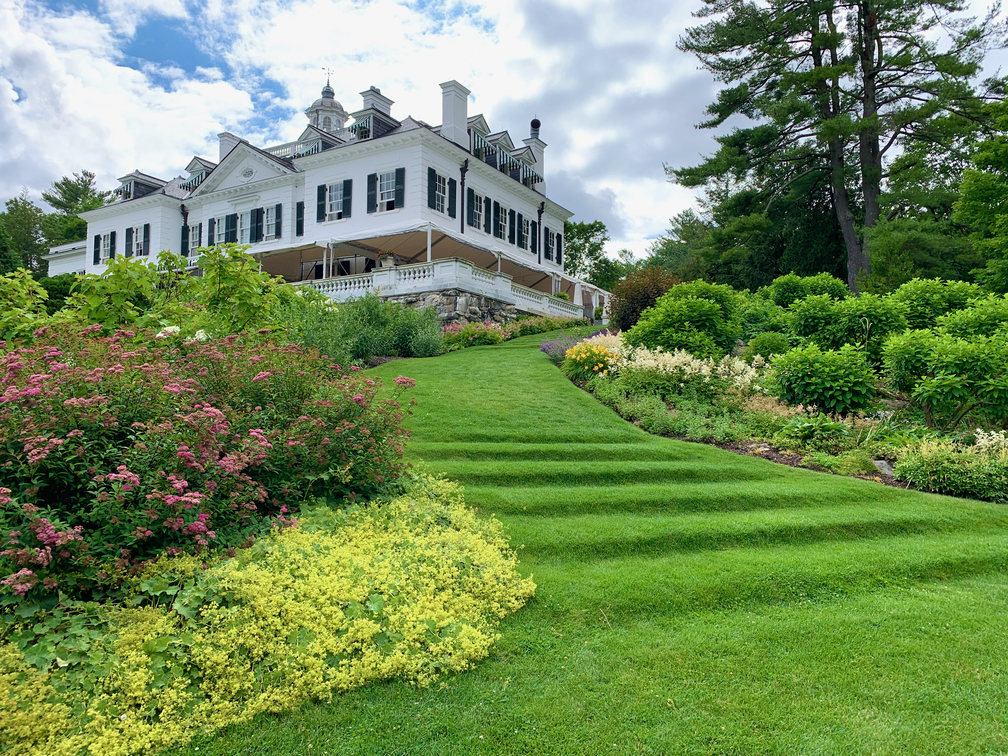
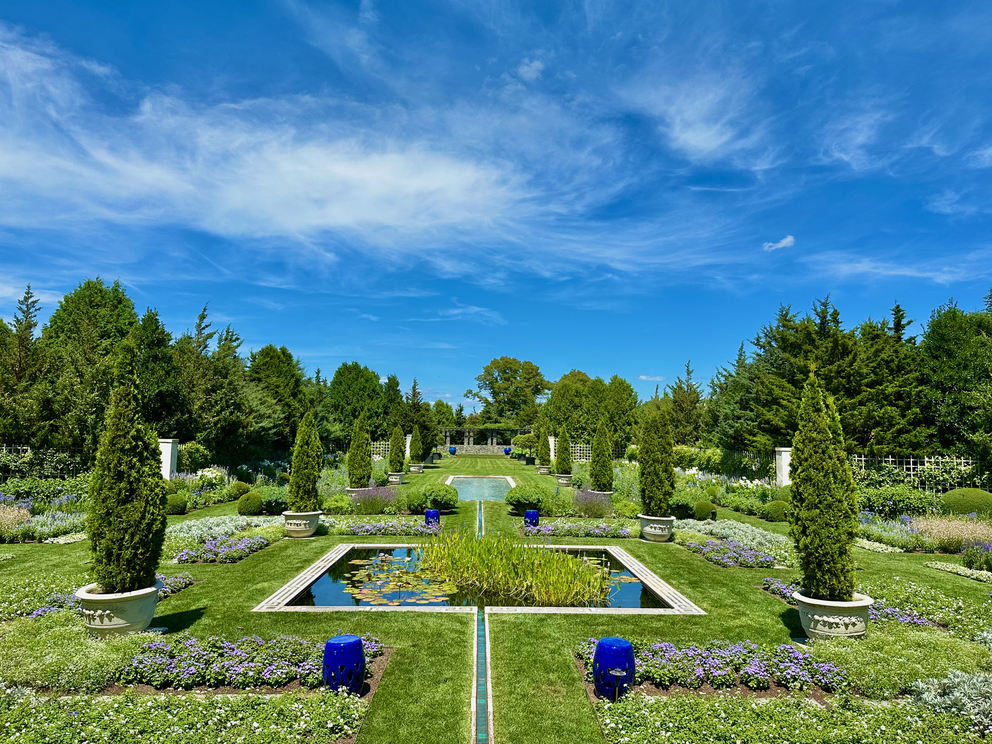
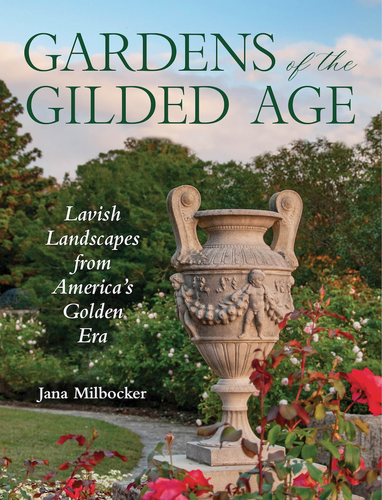
There are periods in history that continue to exert a particular fascination because they seem to embody ambition, wealth, beauty and an almost unrestrained taste for spectacle. Such is the case with the American Gilded Age, the period spanning roughly from 1870 to 1920. It is within this context that ‘Gardens of the Gilded Age: Lavish Landscapes from America’s Golden Era‘ book, published by Globe Pequot takes the reader on a journey through thirty extraordinary historic estates and their gardens, guided by garden designer, author and educator Jana Milbocker.

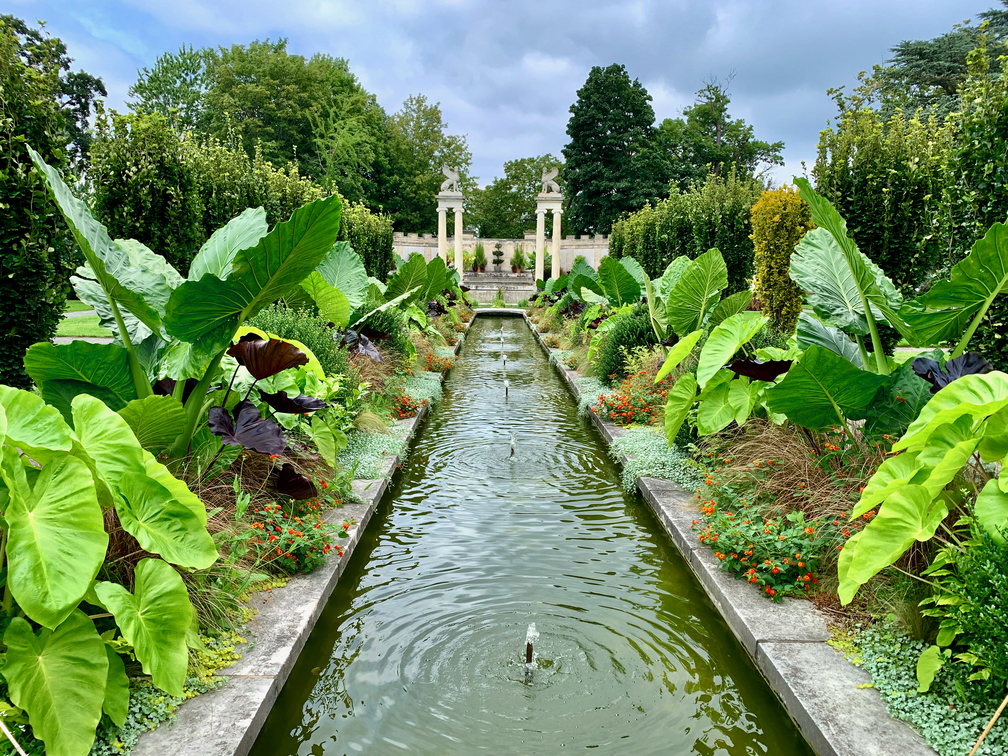
One of the book’s greatest strengths is its decision to explore the Gilded Age not only through mansions, fortunes and industrial dynasties, but through landscape. Gardens become a privileged lens through which to understand the mentality of an era when wealth was expressed also through the ability to transform nature into a work of art. Milbocker shows how these expansive landscapes were the result of a combination of personal ambition, international travel, botanical collecting, technological innovation and artistic expertise.
The book features thirty properties now open to the public, creating an ideal itinerary across the United States, from New England to Florida. Among the destinations featured are The Mount, Edith Wharton’s refined home in Lenox; the monumental Biltmore Estate of George Vanderbilt in Asheville; The Elms in Newport, with its Italian-inspired gardens; Longwood Gardens in Pennsylvania, renowned for its conservatories and fountains; Nemours Estate in Delaware, inspired by the grandeur of Versailles; Old Westbury Gardens on Long Island; and Vizcaya in Miami, a spectacular expression of Italian Renaissance-inspired taste.
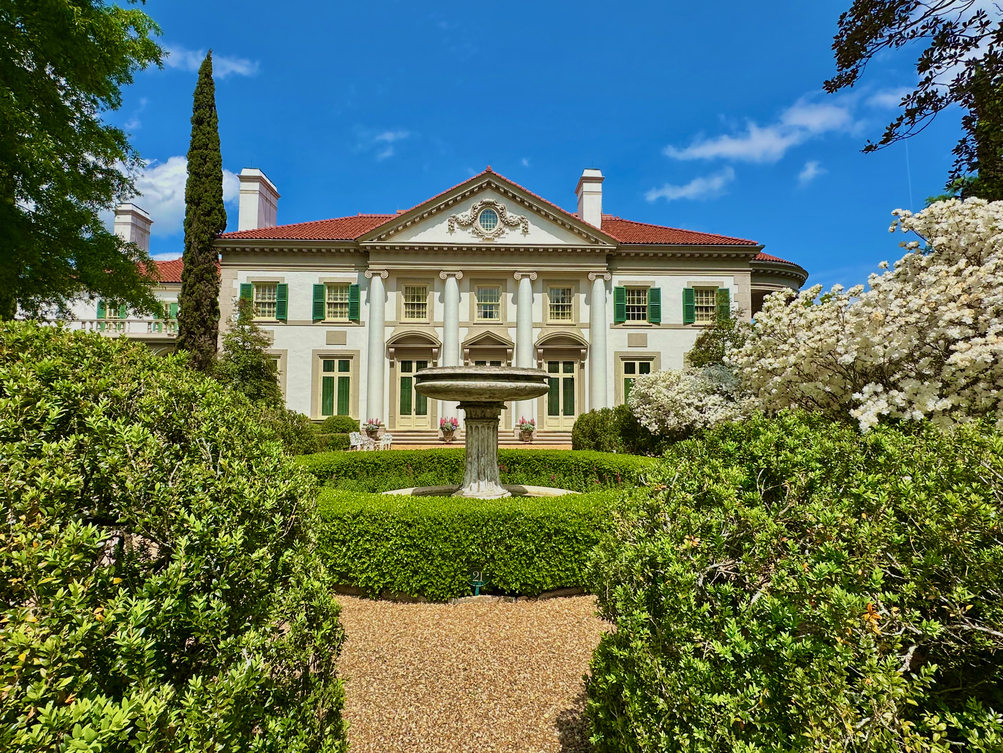
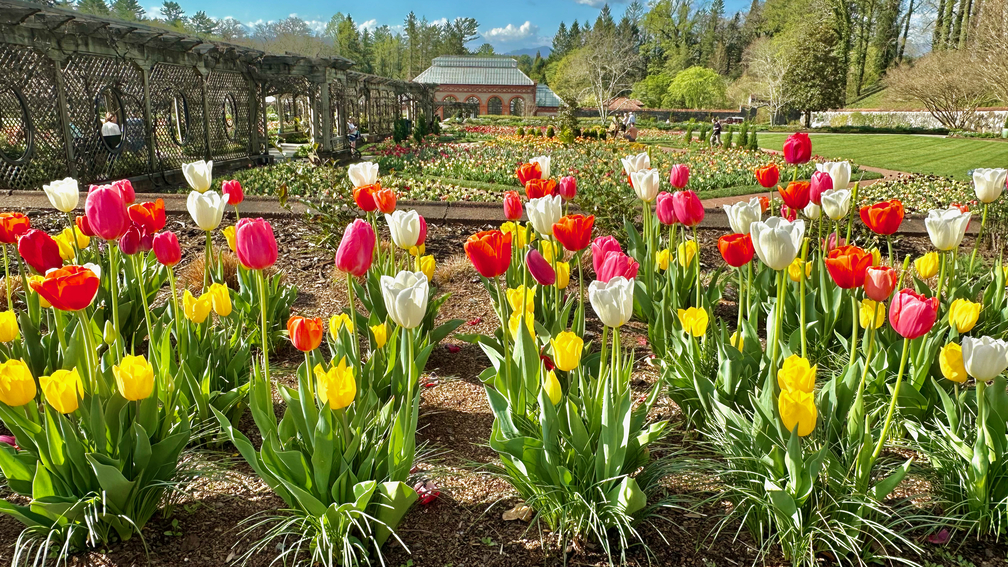
The visual dimension of the book is particularly successful. Contemporary photographs are combined with archival images, allowing readers to appreciate not only the present-day splendour of these properties, but also their transformation over time. The estates and gardens are not presented as static monuments, but as places that have undergone changes, restorations and shifts in taste. This sense of time makes the book especially interesting for anyone who considers the garden not simply as an aesthetic space, but as a landscape in constant evolution.
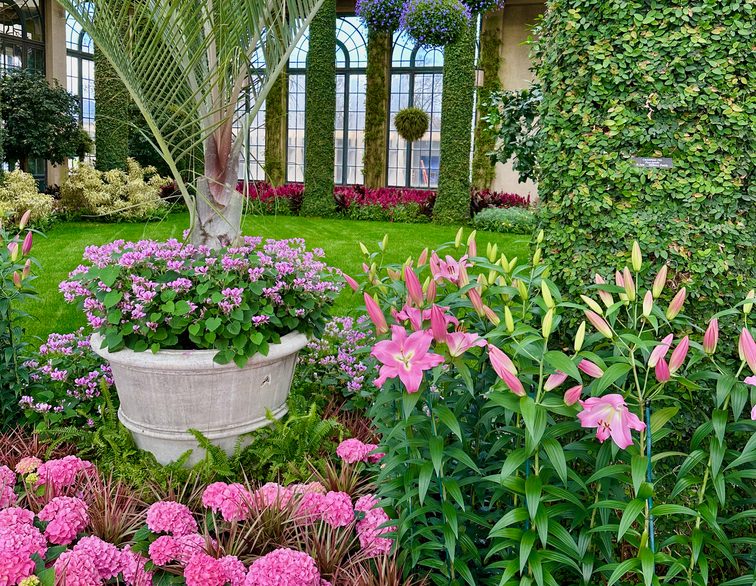
credit Jana Milbocker
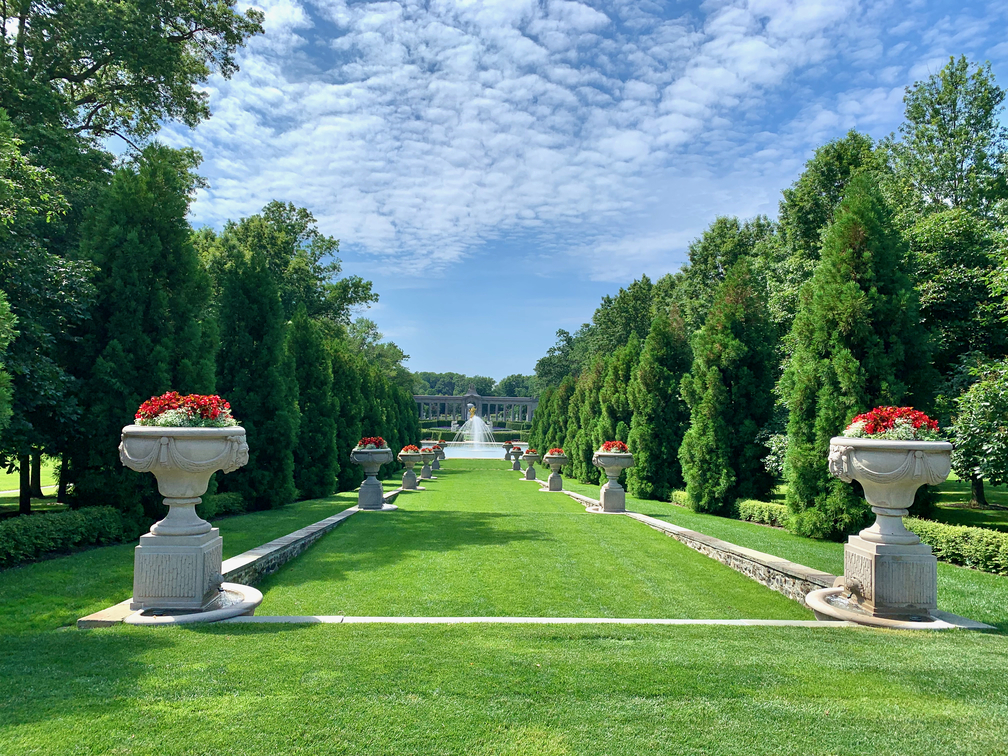
credit Jana Milbocker
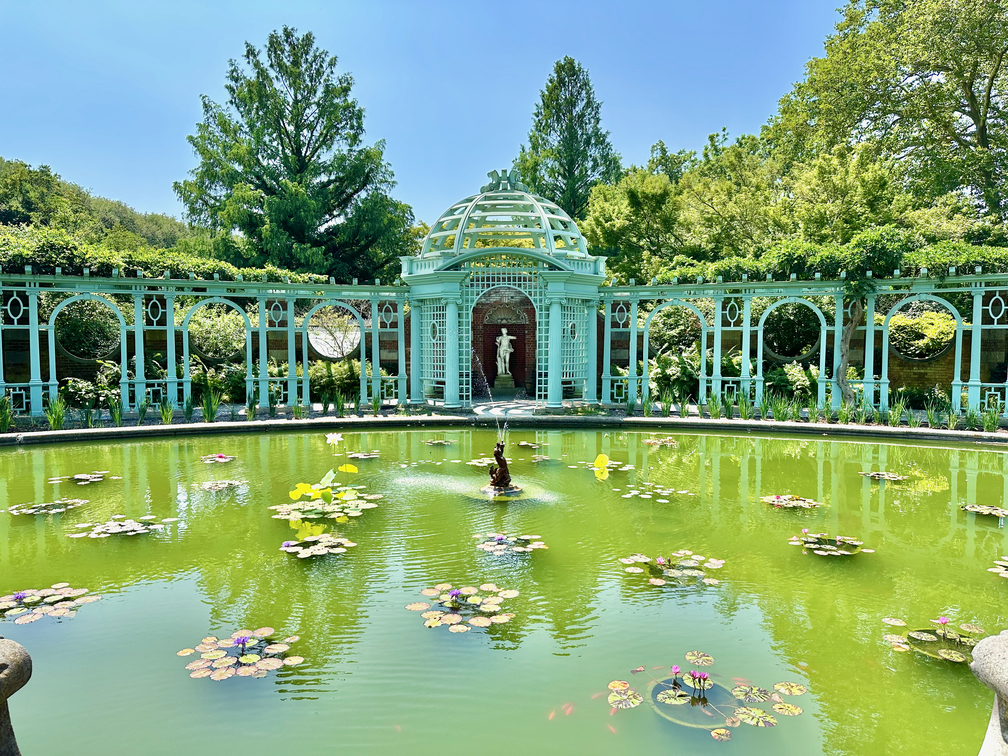
credit Jana Milbocker
Milbocker also explores the personalities of the owners, their eccentricities and the stories behind the creation of their gardens. This approach makes the book accessible even to readers without a specialist knowledge of botany or landscape architecture. Behind every estate lies a human story shaped by aspirations, competition, passions and the desire to leave a lasting mark.
Gardens of the Gilded Age is therefore much more than a guide to thirty beautiful historic properties. It is a journey into American culture between the nineteenth and twentieth centuries, when gardens became symbols of prestige for the wealthy, but also extraordinary laboratories of art, horticulture and experimentation. A particularly engaging book for garden enthusiasts, travellers and readers interested in landscape history, it turns the contemplation of these estates and their gardens into a gateway to an entire era.