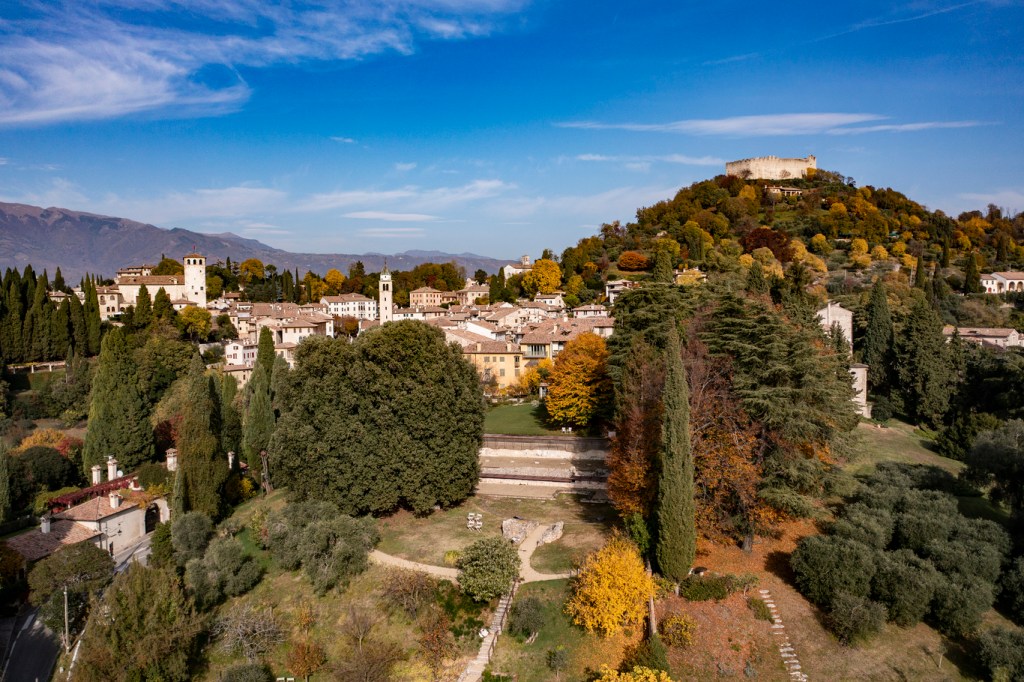
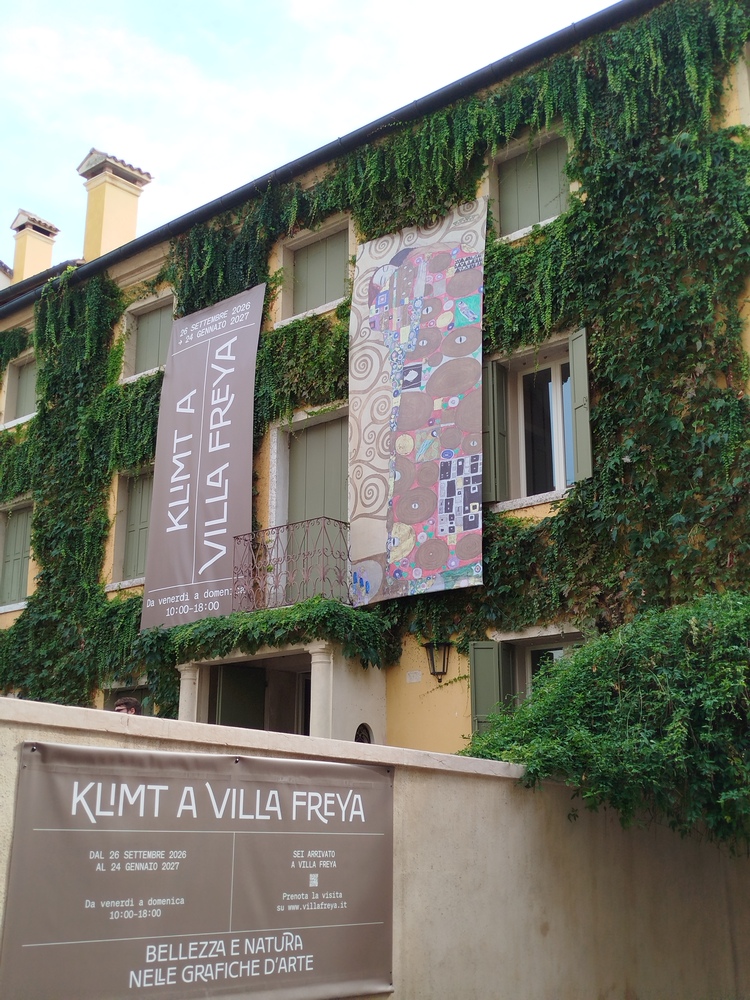
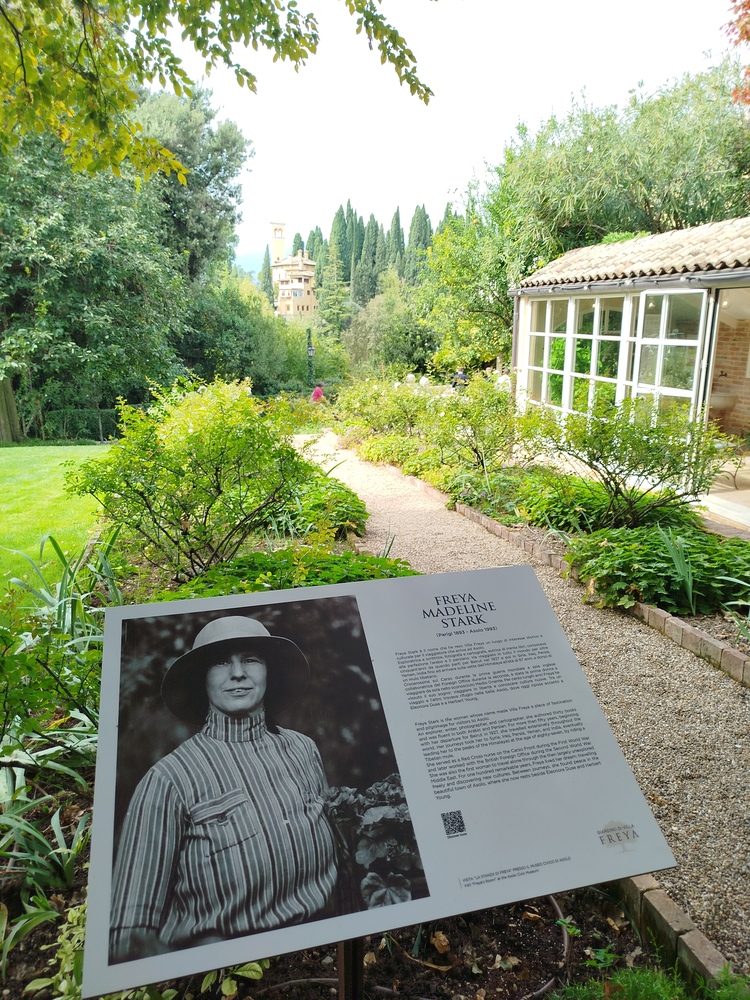
From 26 September 2026 to 24 January 2027, Villa Freya in Asolo, Italy will open its historic interiors to the public for the first time as an exhibition venue, welcoming ‘Klimt a Villa Freya. Bellezza e natura nelle grafiche d’arte‘ (Klimt at Villa Freya: Beauty and Nature in Graphic Art). The exhibition offers an unusual encounter between Gustav Klimt, the landscape of Asolo and the memory of Freya Stark, the celebrated English traveller and writer who lived in the villa for many years.
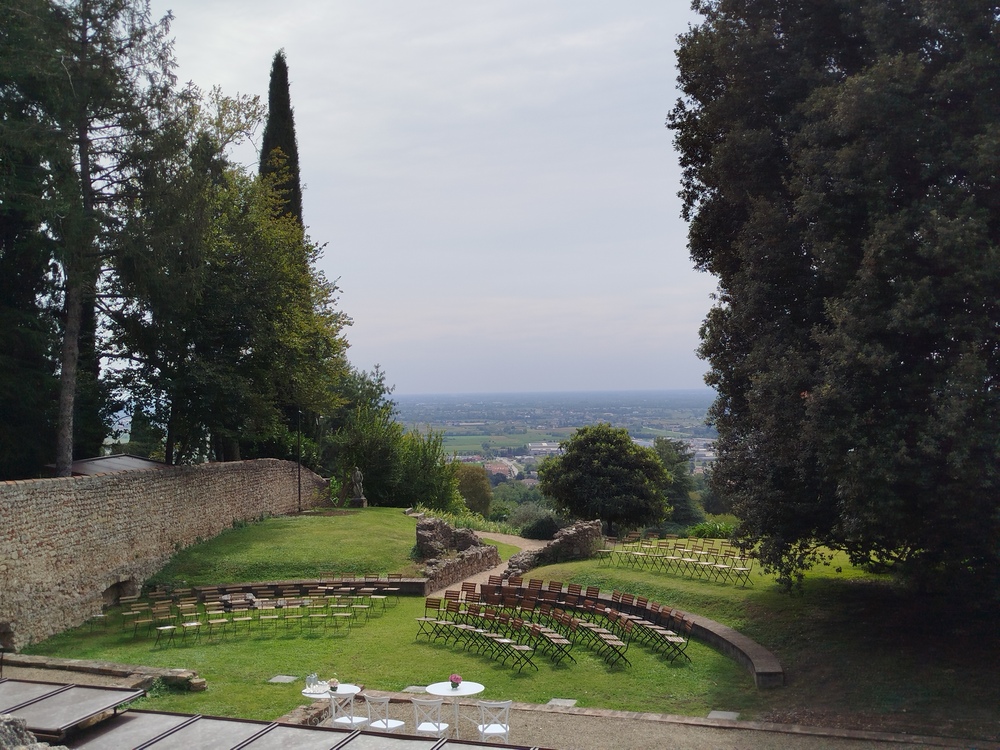
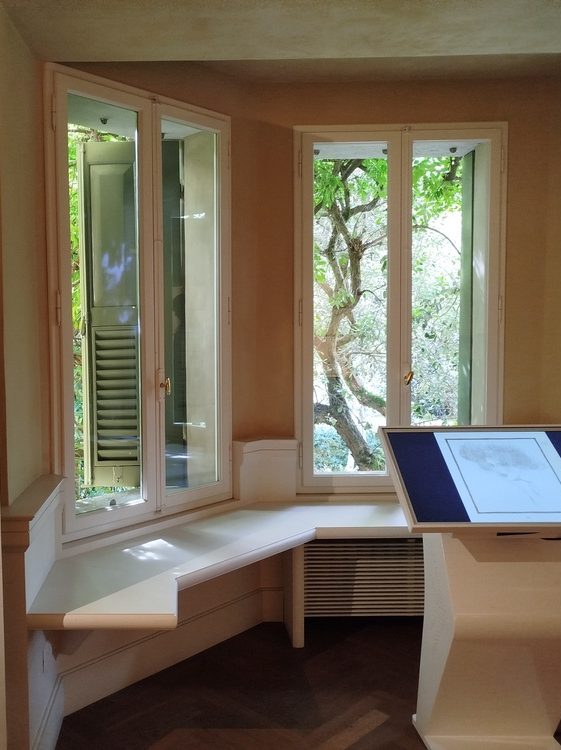
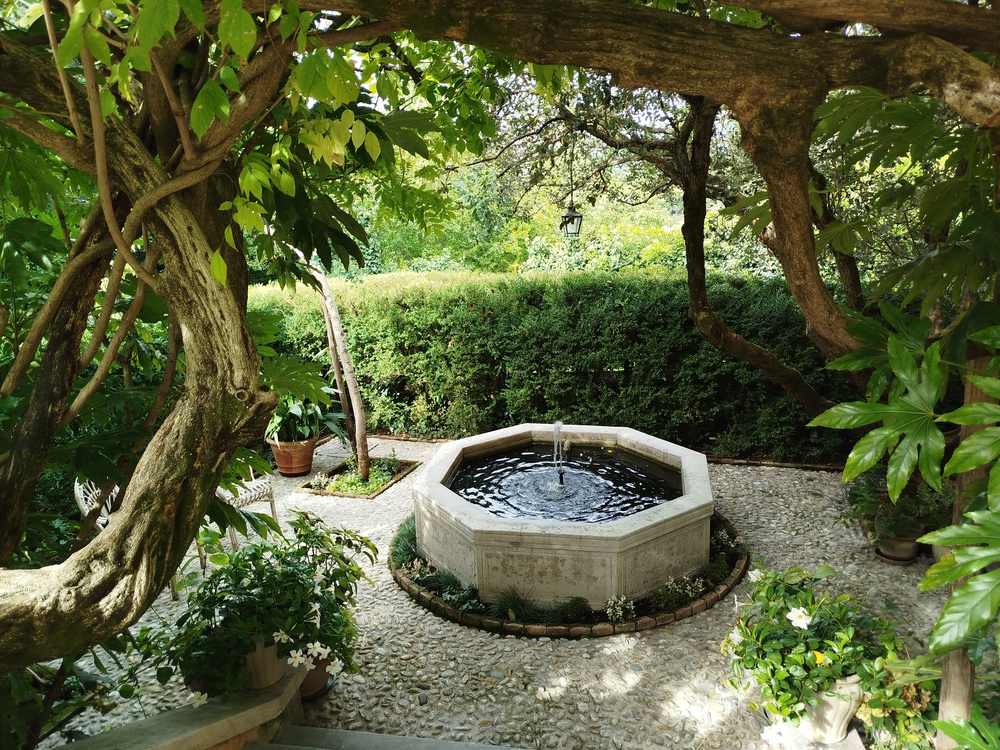
More than simply providing a prestigious setting for an exhibition, Villa Freya becomes an integral part of the story. The house, its romantic garden, archaeological remains and botanical heritage create an intimate environment in which Klimt’s work can be experienced through the themes of beauty, nature, femininity and freedom.
credit TFJ
credit TFJ
Since 2006, thanks to a dream first conceived and brought to life by Diego Carron, and subsequently pursued with unwavering passion and dedication by his wife Monica Masin and their children, Villa Freya has undergone a gradual process of restoration and enhancement. The Carron family has devoted itself to preserving and sharing the unique heritage of the historic residence, opening its archaeological and botanical park to visitors. The exhibition represents a further step in this ongoing journey, bringing the history, beauty and spirit of Villa Freya to an ever-wider public.
“Villa Freya and its garden are a heritage of rare historical and landscape beauty, in the heart of Asolo, the city of the ‘Hundred Horizons’,” explains Monica Masin. “The arrival of Gustav Klimt, an artist still capable of speaking to new generations, meets the audacious spirit of Freya Stark, the indomitable traveller: an ideal and aesthetic dialogue born from the same passion for the fascination of the East and the search for freedom.”
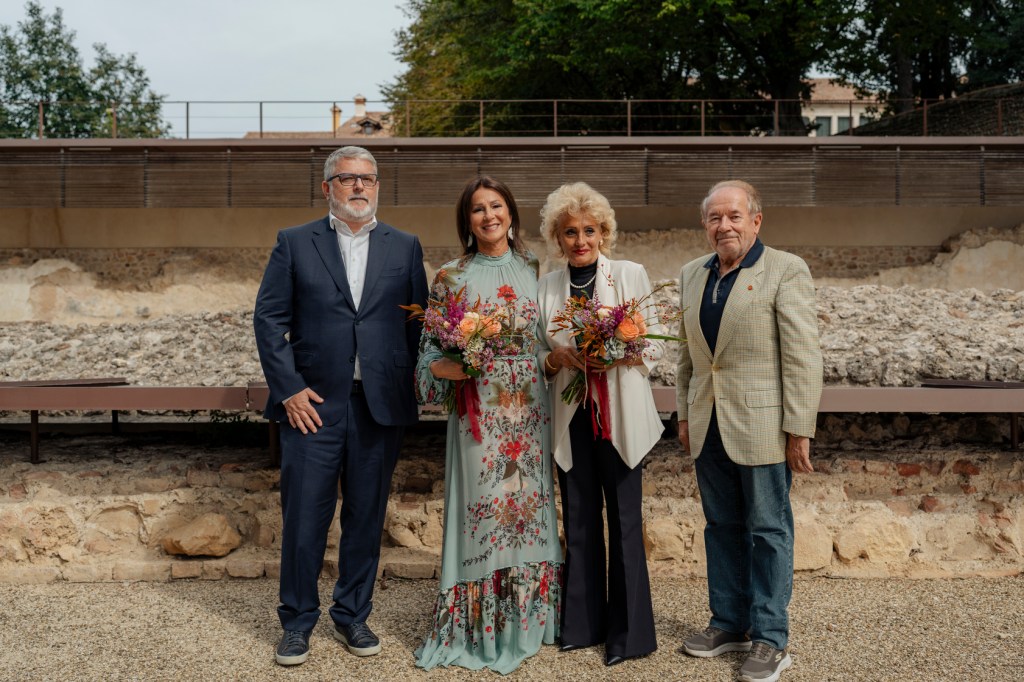
credit Ilaria Zago
The exhibition, curated by Elena Ledda, presents more than sixty collotypes, three original drawings and rare historical examples of Ver Sacrum, the journal of the Vienna Secession. Most of the works come from the private collection of art scholar Fiorenzo Silvestri and relate to three important portfolios published between 1918 and 1931.
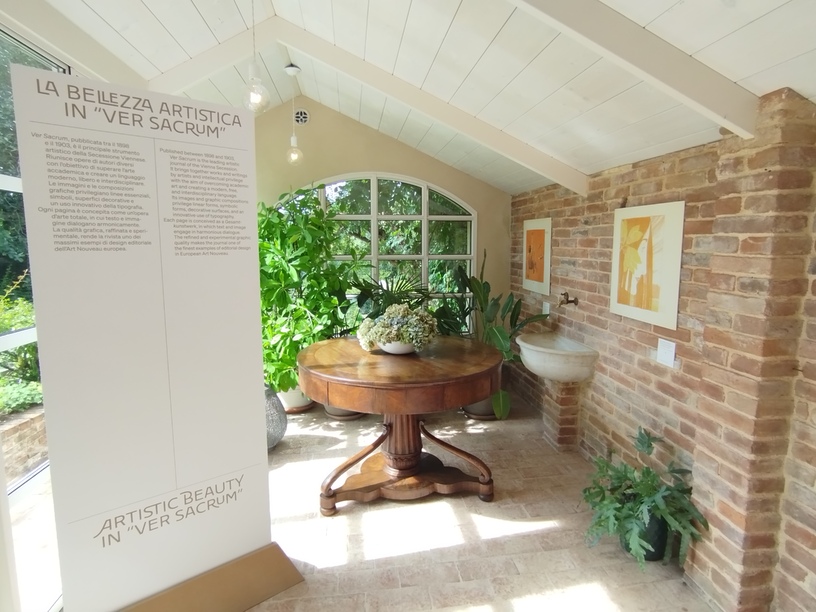
The choice to focus on graphic works offers a different perspective on Klimt. His drawings reveal the immediacy of his line, while the collotypes demonstrate how his imagery was disseminated and experienced beyond the original paintings. Ver Sacrum, meanwhile, represents the Secession’s ambition to bring together image, typography, ornament and the applied arts.
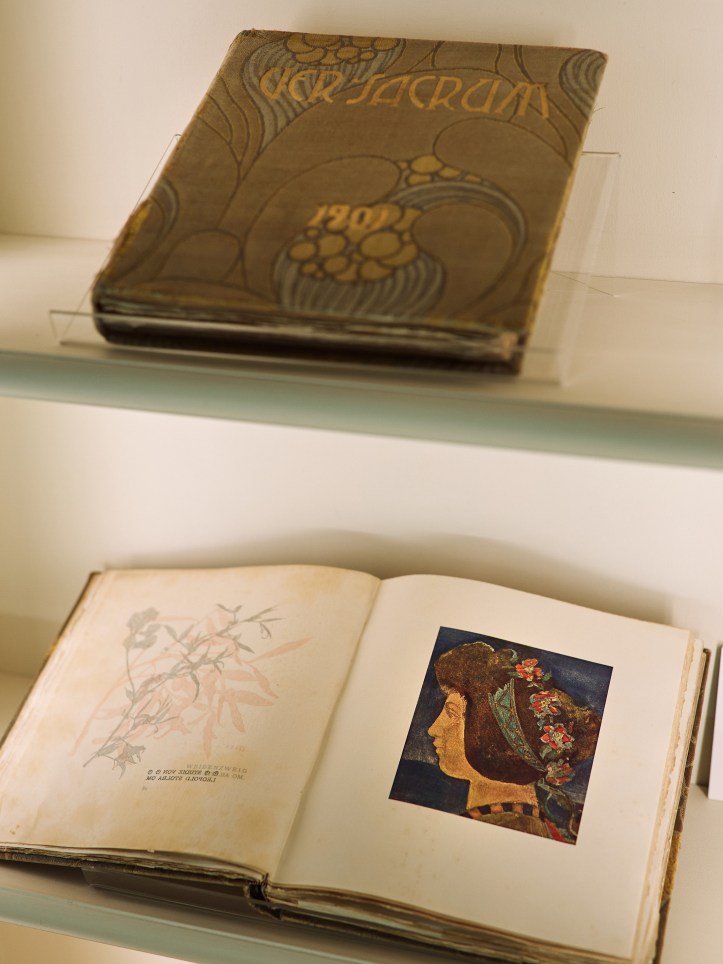
January–December 1901, Fiorenzo Silvestri Private Collection
credit Villa Freya
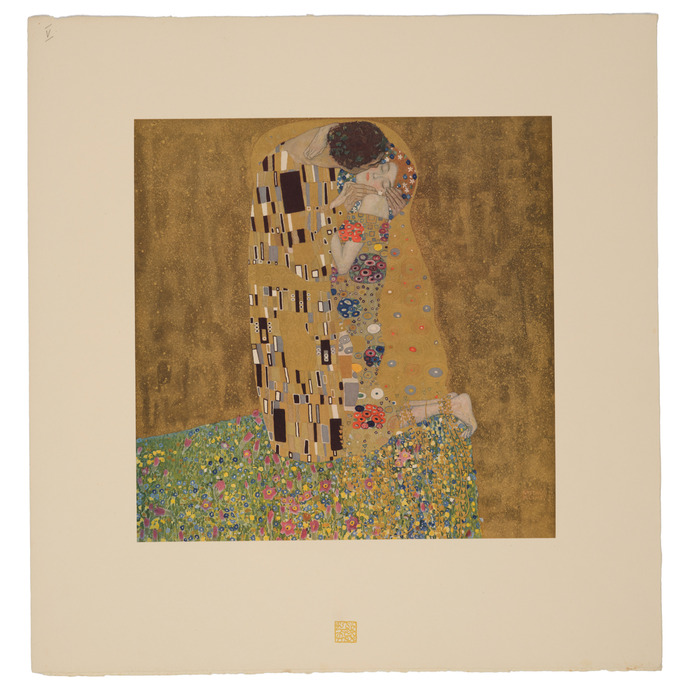
Cart. Hugo Heller, 41 (1918), Fiorenzo Silvestri Private Collection Original work, oil on canvas (Österreichische Galerie Belvedere, Vienna) credit Villa Freya
“The ensemble allows us to explore the complexity of Klimt’s research and the central role assumed by drawing, graphics and publishing in the definition of modern visual culture,” says Elena Ledda. “Ver Sacrum testifies instead to a unitary conception of the arts, based on the integration of figuration, typography, ornament and applied arts.”
Nature provides another important thread. One section of the exhibition explores Klimt’s landscapes, in which human figures disappear and trees, meadows and water become protagonists. His distinctive surfaces of colour, flattened perspectives and decorative patterns transform the landscape into an immersive visual experience.
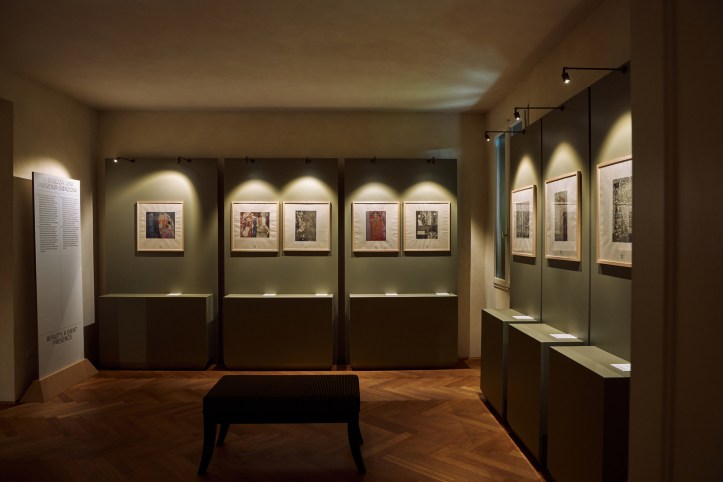
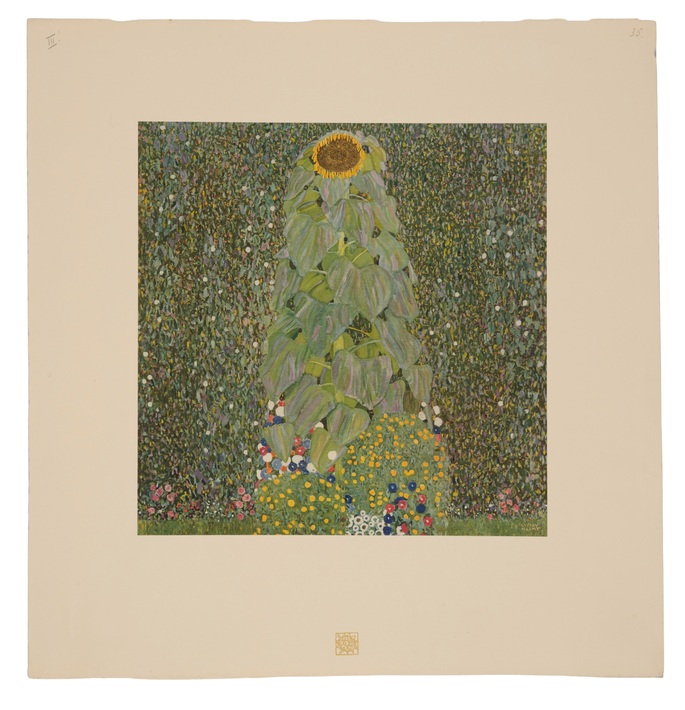
This is perhaps where Villa Freya itself becomes most evocative. The garden surrounding the house contains a centuries-old holm oak described by the project as an “albero della vita” (Tree of Life), creating a particularly suggestive connection with Klimt’s fascination with trees and organic forms. The exhibition continues into the greenhouse, transformed for the occasion into an exhibition space.
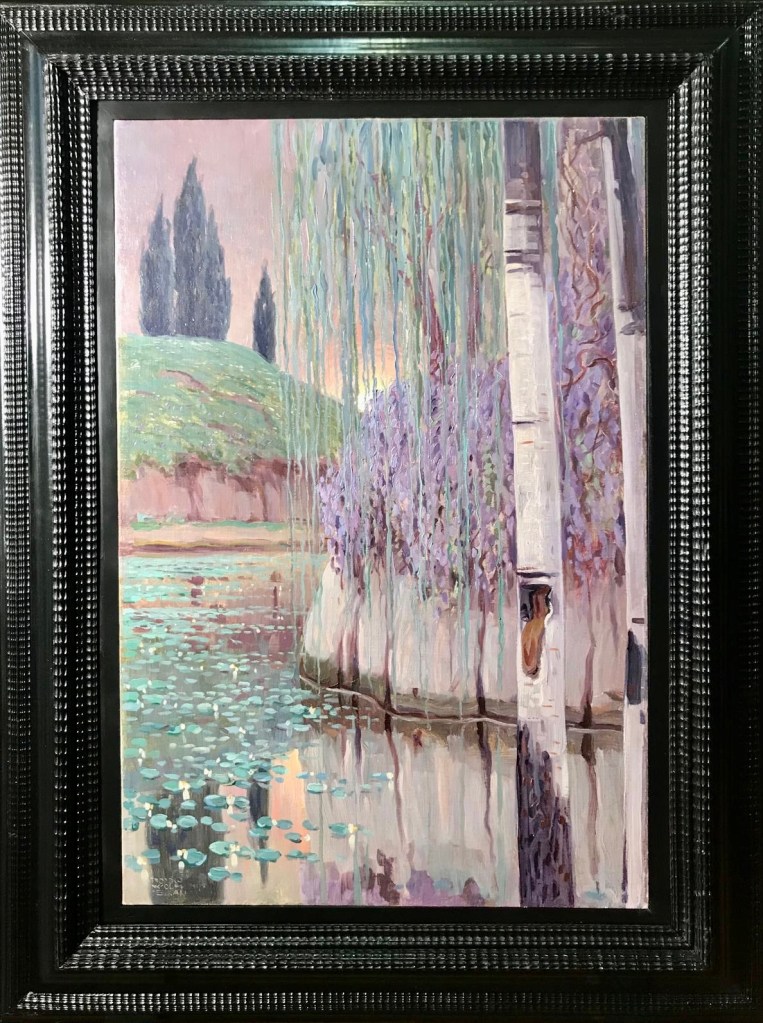
The dialogue also extends to the Veneto. Works by Teodoro Wolf Ferrari introduce the influence of the Vienna Secession into the local artistic context, while references to Vittorio Zecchin and Carlo Scarpa broaden the conversation between Klimt and twentieth-century Venetian culture.
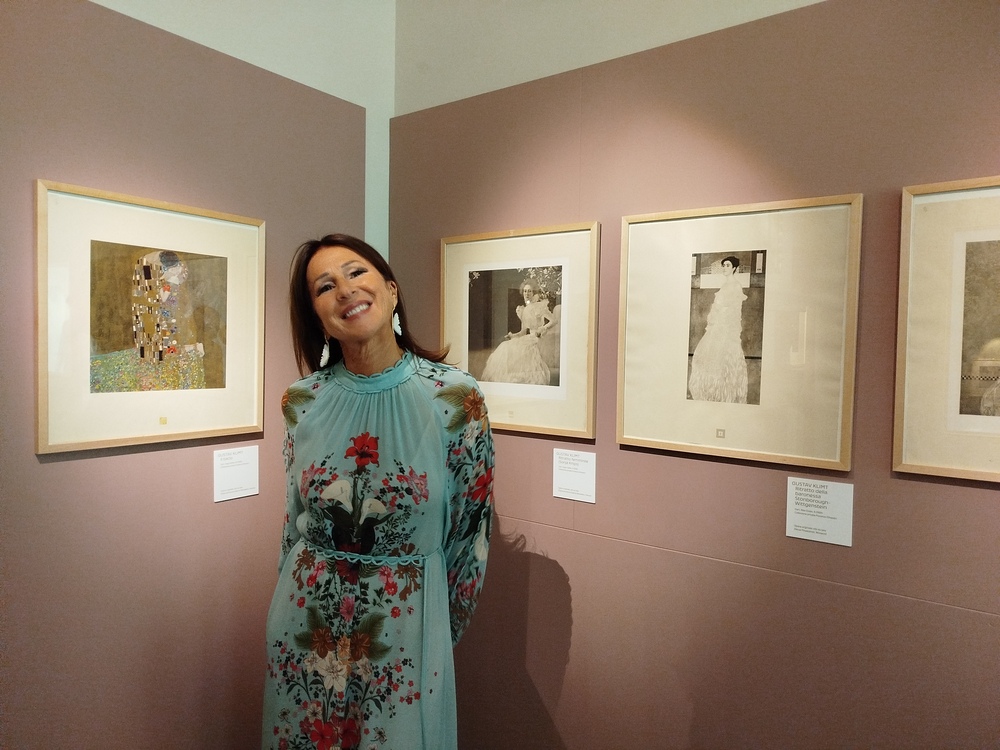
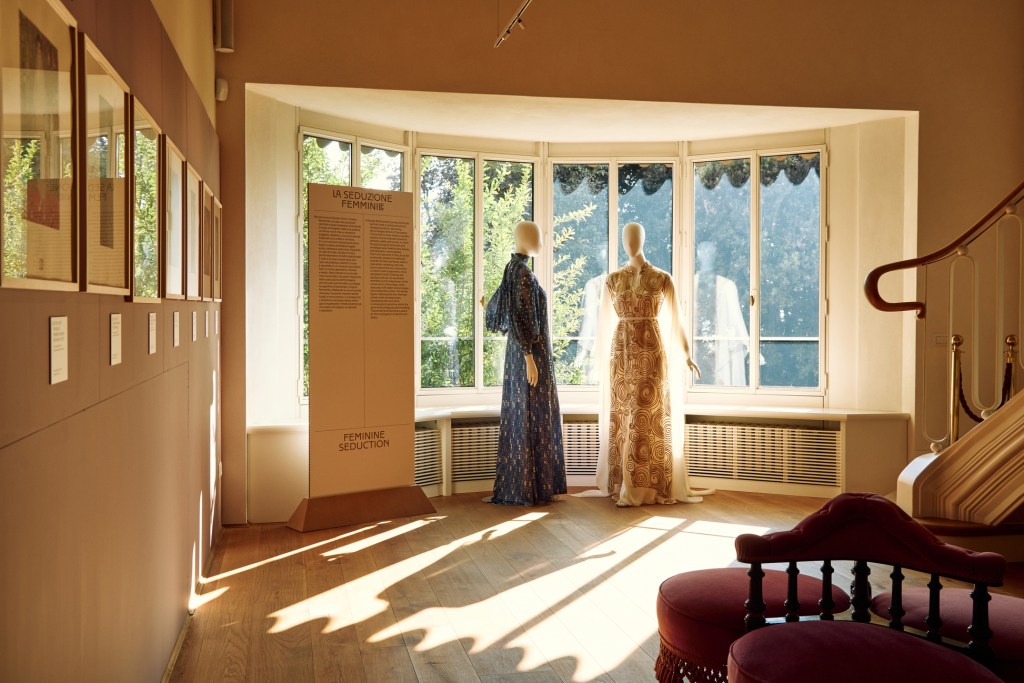
On the upper floor, the exhibition turns to female beauty and allegory. Klimt’s women appear as muses, symbols and creative forces, while the original drawings offer a more intimate view of his exploration of the female body. The final section addresses fashion, with garments recreated by the Cosmo Fashion Academy of Padua inspired by Klimt’s richly patterned textiles and by the revolutionary figure of Emilie Flöge.
Flöge also provides a bridge towards Freya Stark. Both women represent, in very different ways, independence, creativity and an unconventional relationship with their time. At Villa Freya, Stark’s presence remains tangible, transforming the exhibition into a dialogue not only between artists and artworks, but also between different ideas of the modern woman.
The programme will continue beyond the exhibition itself. A series of cultural events will explore different aspects of Klimt’s world: on 4 October, Fiorenzo Silvestri will discuss his collection and its history with Monica Masin; on 10 October, Elisa Prete will examine Klimt’s relationship with the Veneto and the young artists of Ca’ Pesaro. On 14 November, Elena Ledda will focus on Ver Sacrum, while a November event organised with Cosmo Fashion Academy will explore Klimt’s relationship with fashion and Emilie Flöge. The programme will conclude on 6 December at Asolo’s Teatro E. Duse with a screening of Woman in Gold (2015), in collaboration with Asolo Art Film Festival.
In this sense, Klimt at Villa Freya is conceived as more than an exhibition. It is an invitation to move between rooms, garden and landscape, between art history and the personal story of a remarkable house. In Asolo, Klimt’s vision of beauty encounters Freya Stark’s spirit of discovery and the result is a cultural journey in which art, nature and memory become inseparable.
More info: https://www.villafreya.it

