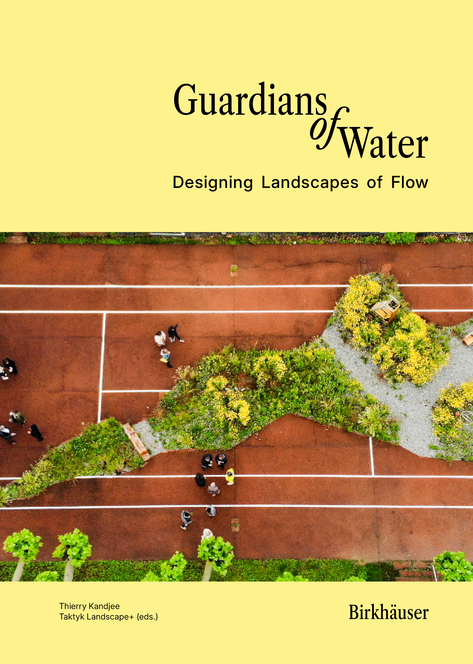
At a time when droughts, floods, and climate change are profoundly transforming our relationship with the environment, water is once again at the centre of discussions about landscape architecture. But is it enough to regard water simply as a resource to be managed? ‘Guardians of Water: Designing Landscapes of Flow. A Global Perspective‘ book, published by Birkhäuser and edited by Thierry Kandjee and Taktyk landscape+, proposes a shift in perspective: recognising water as a vital element that shapes territories, ecosystems, and cultures.
The book addresses a contemporary paradox: while the effects of the climate crisis have made water an increasingly urgent concern, its presence in everyday processes often remains invisible. Regulated rivers, impermeable surfaces, and underground infrastructure have progressively distanced communities from an understanding of natural water cycles.
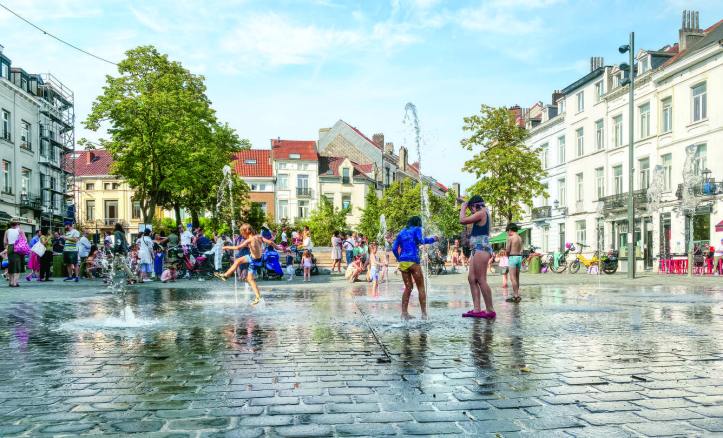
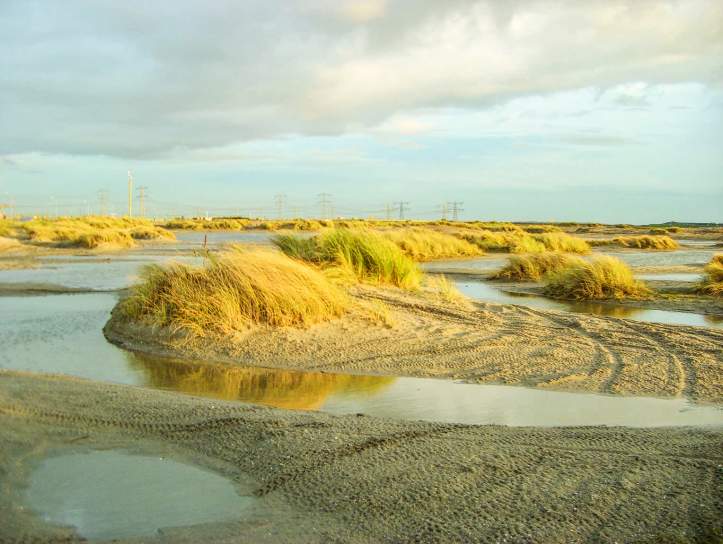
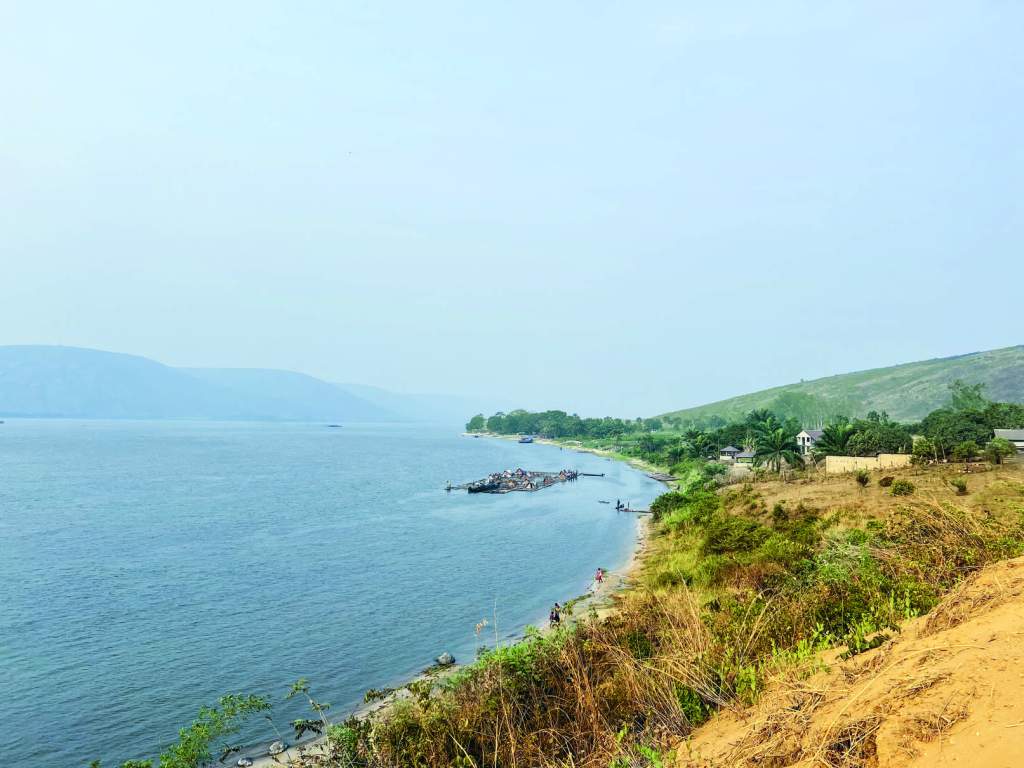
Through 26 narratives spanning Europe, Africa, and Asia, the publication brings together artists, researchers, and practitioners around three interconnected threads of investigation: Fluid Soils, Cloud Forests, and Rituals of Care.
Fluid Soils explores the ground as a living, shifting medium, an archive of hydrological processes. In Brussels, research into deep clay layers reveals how water encounters resistance, accumulates, and eventually resurfaces. Through mapping, models, and experimental projects, landscape design becomes a means of making hidden phenomena visible and rebuilding relationships between citizens, territories, and institutions.
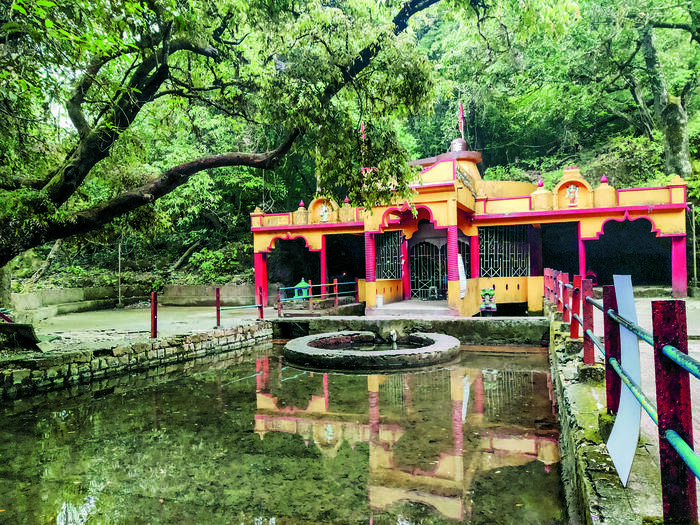
Cloud Forests invites us to move beyond the idea of vegetation as merely a design material. Forests are recognised as interconnected living systems, active guardians of ecological balance. From Divya Shah’s research into a sacred grove in India to strategies for urban forestation, this thread highlights the need to protect existing ecosystems while designing new landscapes capable of adapting to climate change.
With Rituals of Care, the discussion expands to collective memory, art, and participation. Indian visual artist Kakoli Sen explores the cultural significance of ancient stepwells, places associated with water, community life, and women’s agency. The landscape architect also assumes the role of curator, using art commissions, cultural events, and practices of radical observation and critical gardening to encourage new forms of collective engagement.
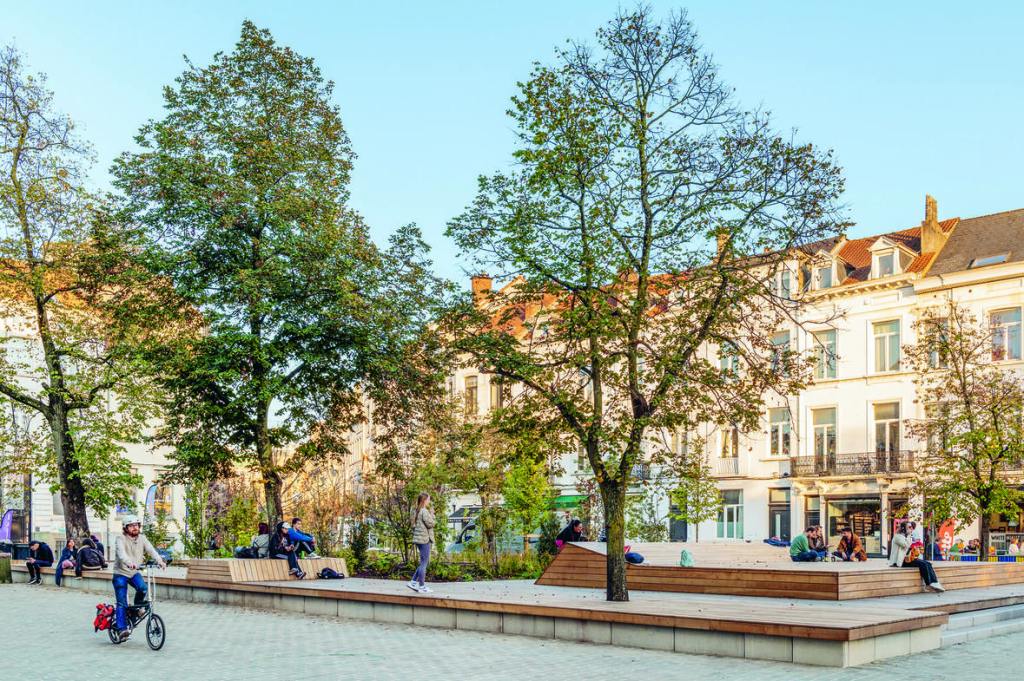
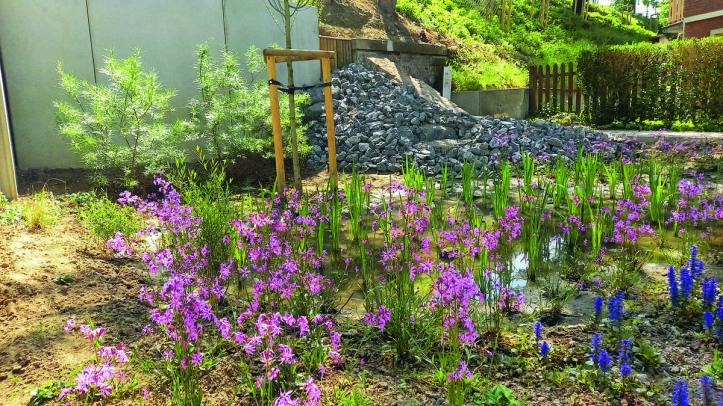
One of the book’s most compelling aspects is precisely this interdisciplinary interpretation of landscape architecture. Its decolonial perspective also encourages recognition of local knowledge and practices often overlooked by Western planning models, challenging a predominantly technical and utilitarian understanding of nature.
Guardians of Water therefore suggests a different professional responsibility: not simply designing spaces or solving hydraulic problems, but understanding the ecological and cultural relationships that sustain living landscapes. The central question is no longer exclusively how we can control water, but how we can learn to coexist with its natural dynamics.
From this perspective, stewardship means accompanying transformation rather than imposing definitive forms. It is a reflection that raises a fundamental question for the future of the profession: can landscape architecture evolve from a discipline of control into a practice of care, capable of reconciling natural processes, communities, and territories?