On 16 November 2026, Turin, in Italy celebrates the Residences of the Royal House of Savoy and the territories that preserve their legacy, with a programme of events dedicated to one of Piedmont’s most significant cultural and landscape heritage sites. The date coincides with the anniversary of the signing of UNESCO’s Constitution in 1945, offering an opportunity to highlight this remarkable heritage ahead of the thirtieth anniversary of its inscription on the World Heritage List in 2027. This network of historic residences extends well beyond the city boundaries, bringing together architecture, art, nature and local traditions.
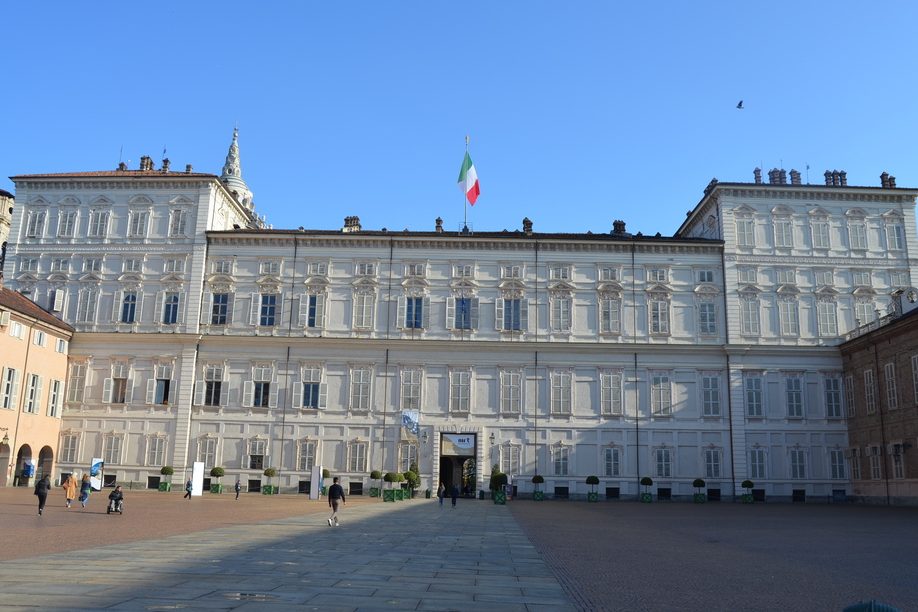
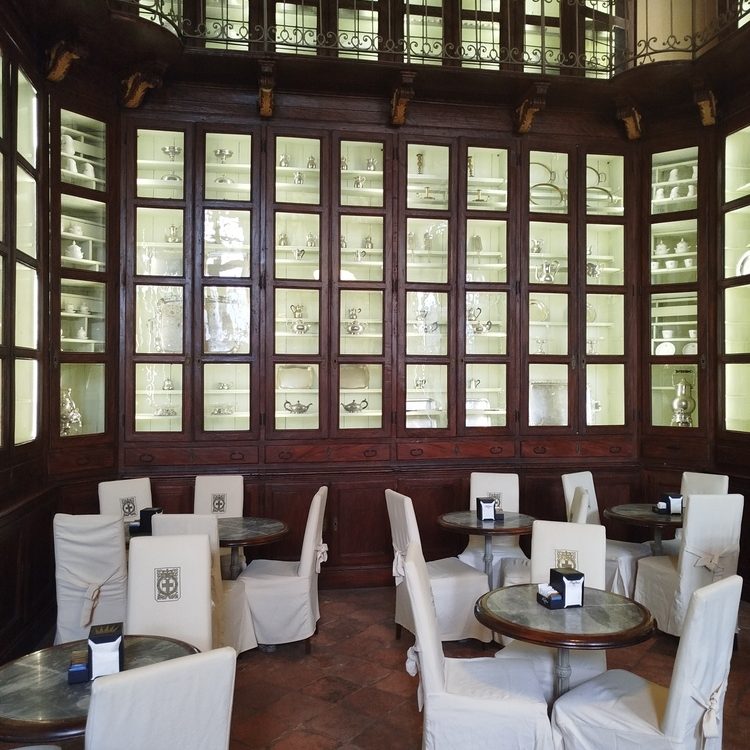
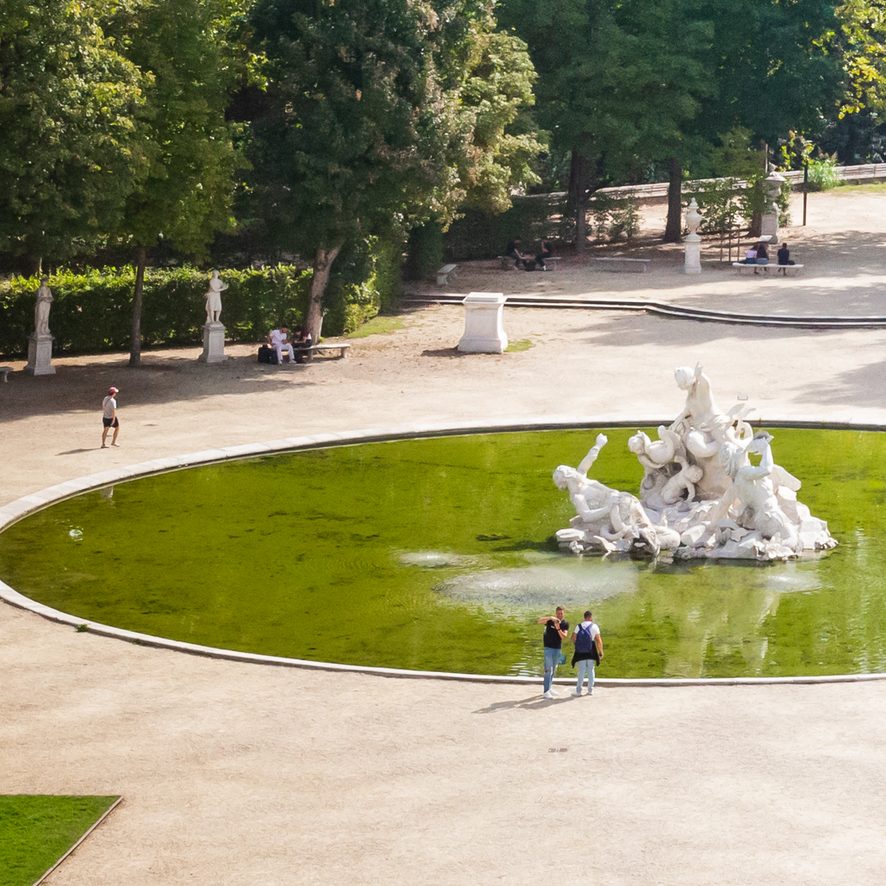
In Turin, the Royal Palace and its Royal Gardens bear witness to the central role the city played in the history of the House of Savoy. Their origins date back to 1563, when Emmanuel Philibert transferred the capital of the Duchy from Chambéry to Turin. Initially conceived according to the Italian garden tradition, the green spaces featured fountains, water displays, grottoes and flowerbeds enriched with citrus trees and ornamental species. Over the centuries, particularly during the eighteenth century, the original layout was redesigned in accordance with French taste, introducing more rigorous geometries and new perspectives in dialogue with the palace architecture. Among the garden’s most significant features is the Fountain of the Nereids and Tritons, created by Simone Martinez around 1757, which remains one of its main scenic focal points.
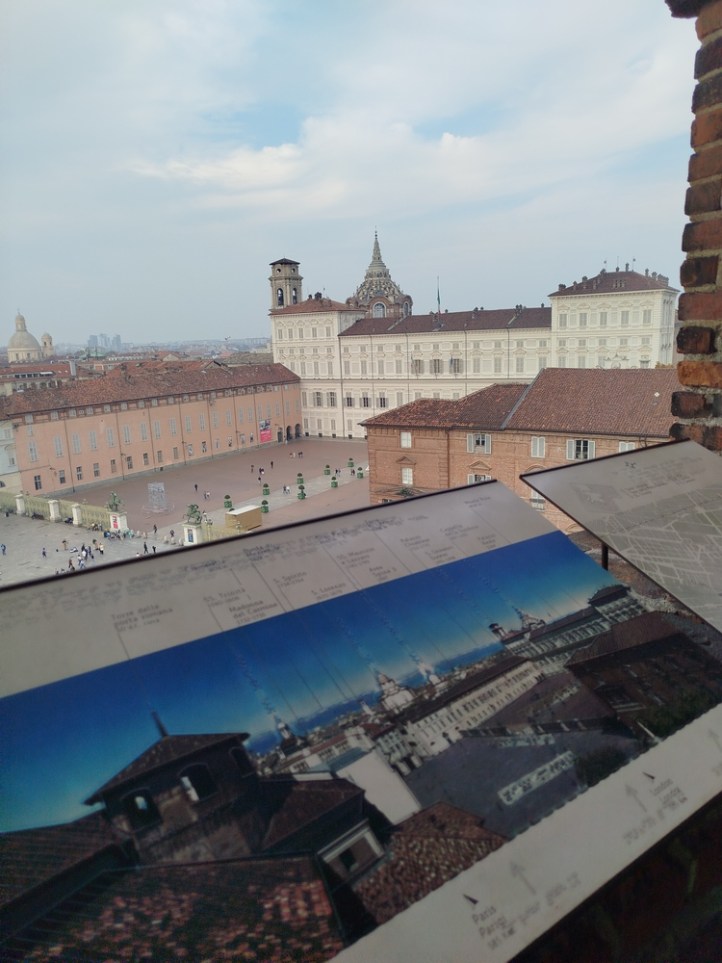
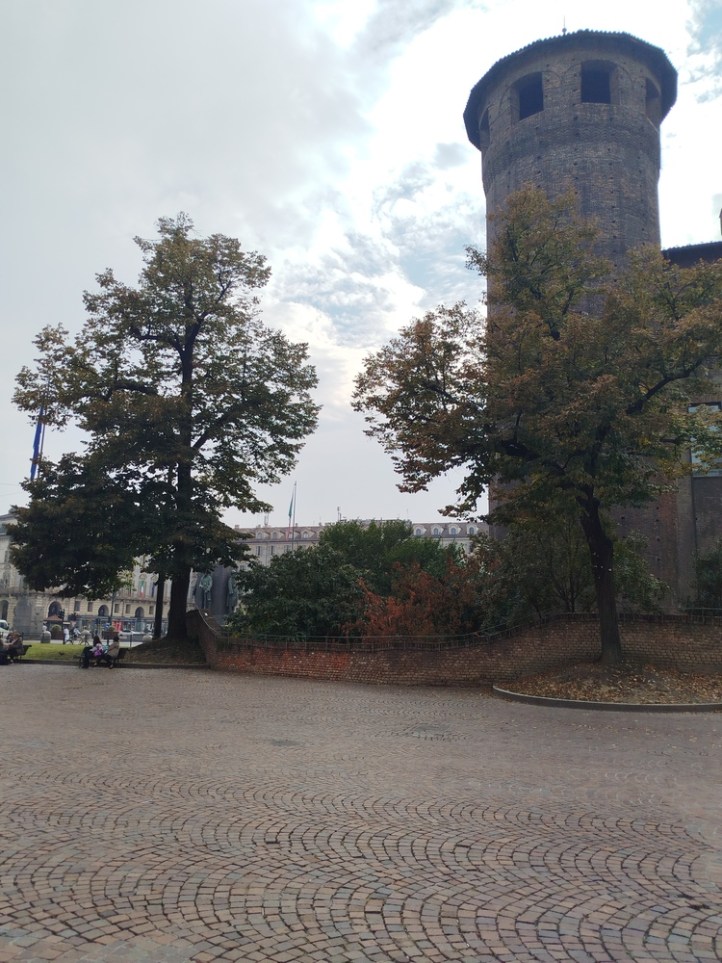
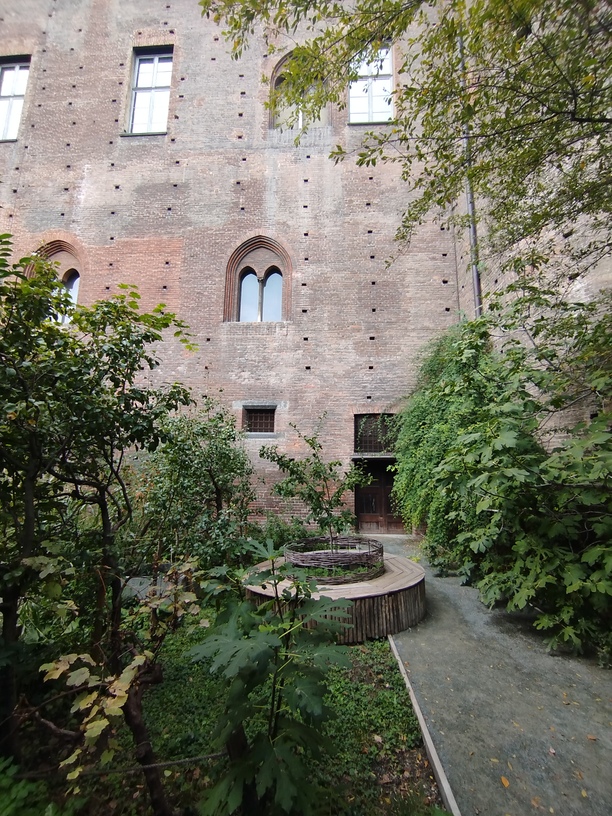
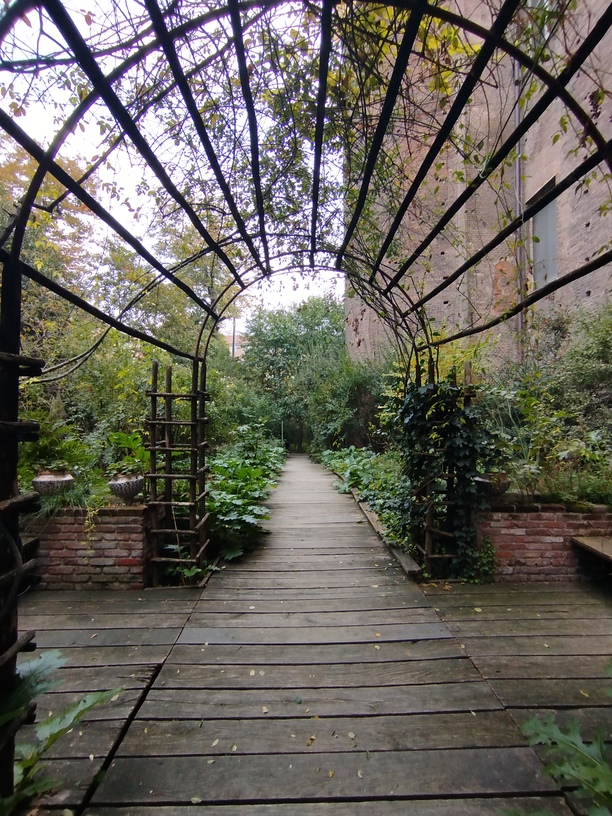
A short distance away, in Piazza Castello, Palazzo Madama conceals a more intimate and unexpected setting: the Medieval Botanical Garden, reconstructed on the basis of historical documents and iconographic evidence within the castle’s ancient moat. This secluded space recreates the layout and functions of a medieval garden through three distinct areas: the hortus, devoted to food and medicinal plants; the viridarium, dedicated to trees and vegetation; and the iardinum domini, the lord’s garden. The reconstruction offers an opportunity to rediscover the relationship between cultivation, botanical knowledge and everyday life in the Middle Ages, when gardens served simultaneously as productive spaces, places for contemplation and settings for representation.
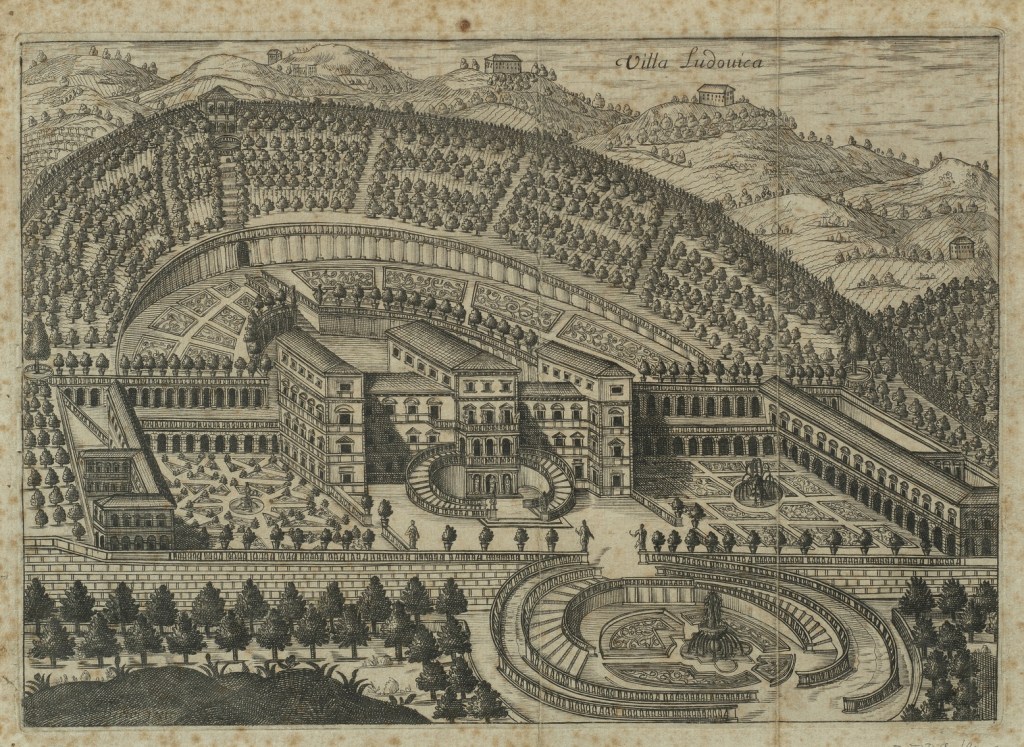
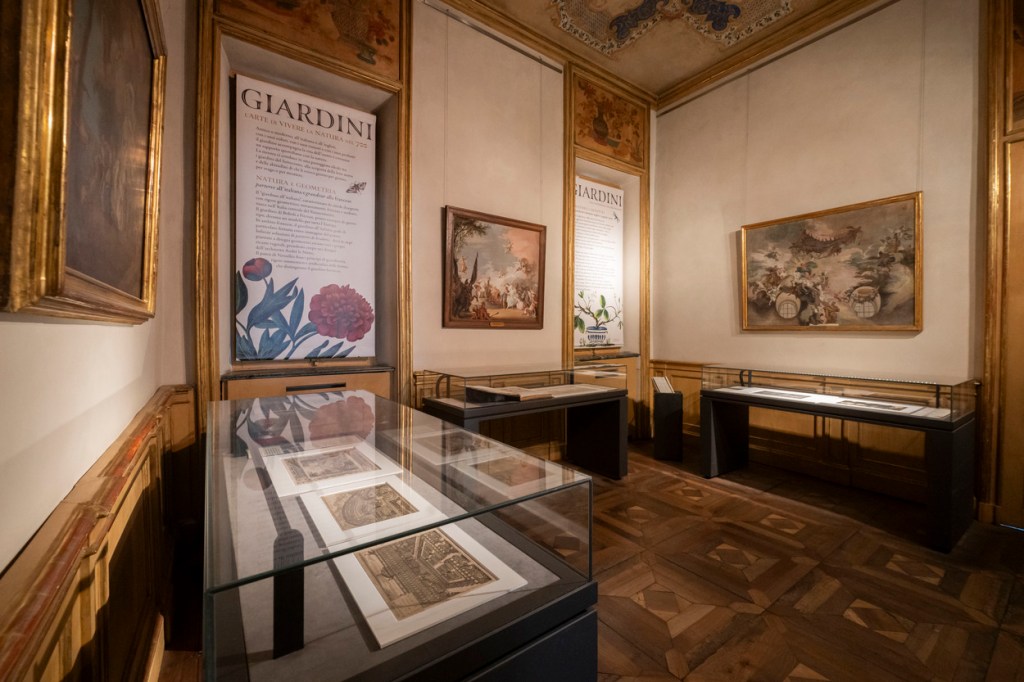
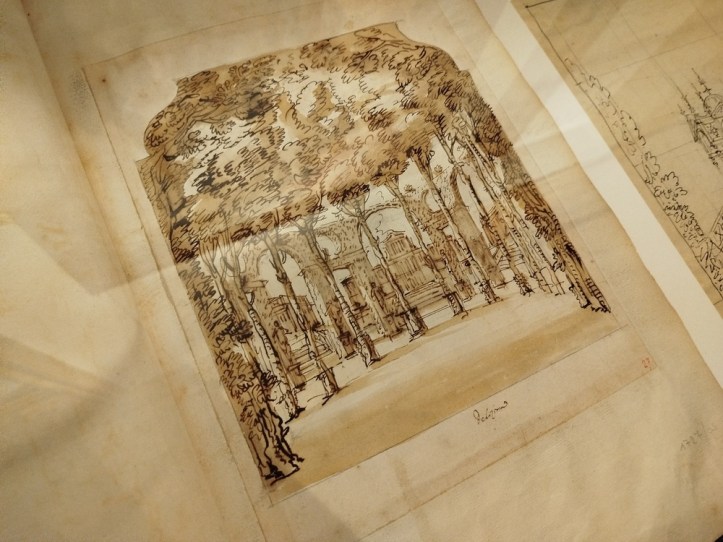
The theme of nature is explored further in the museum galleries through the exhibition GIARDINI. L’arte di vivere la natura nel Settecento (Gardens. The Art of Living with Nature in the Eighteenth Century), on view until 6 January 2027. Curated by Clelia Arnaldi di Balme, the exhibition traces the development of eighteenth-century landscape culture through a selection of drawings, botanical illustrations and engravings. The works document the evolution of garden models, from the Italian formal garden to the English landscape garden, revealing how nature was designed, represented and experienced. Views, projects and botanical illustrations convey a concept of the garden that goes beyond its purely ornamental function: a place for leisure and representation, but also for study, work and experimentation. The exhibition also explores the contribution of eighteenth-century artists and architects, including Filippo Juvarra and the Galliari brothers, highlighting the importance of drawing in the conception and creation of landscapes.
credit TFJ
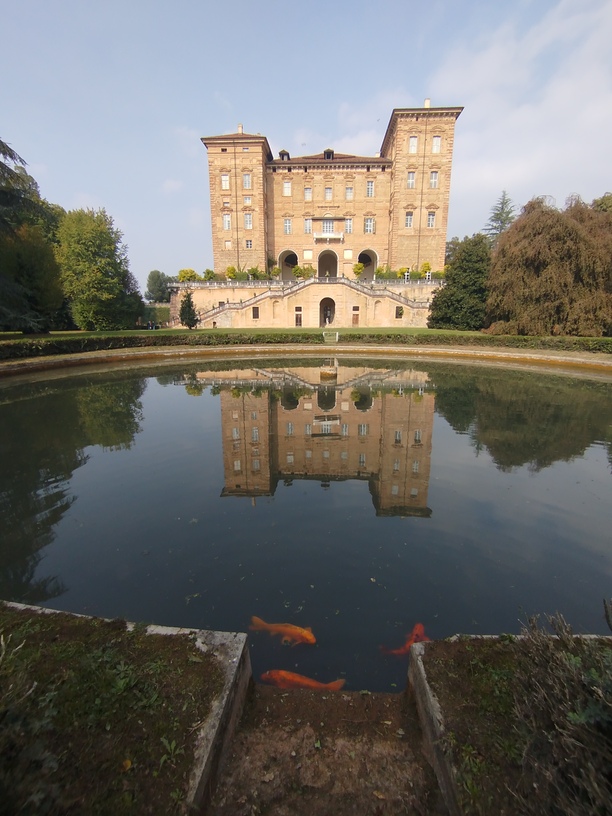
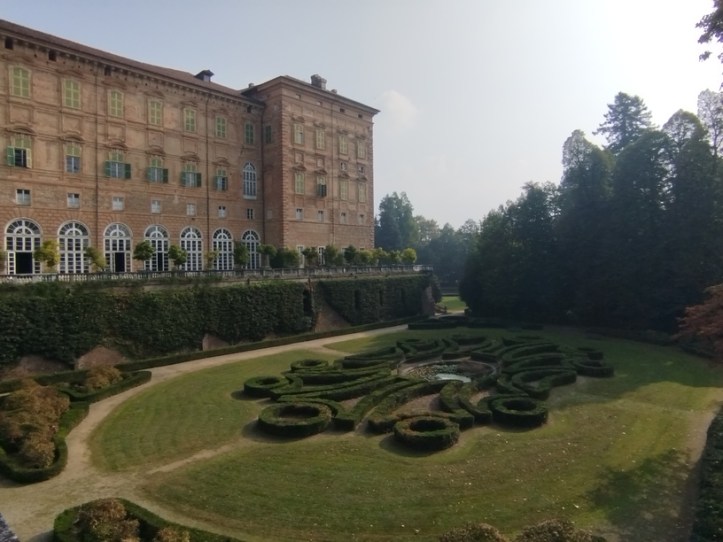
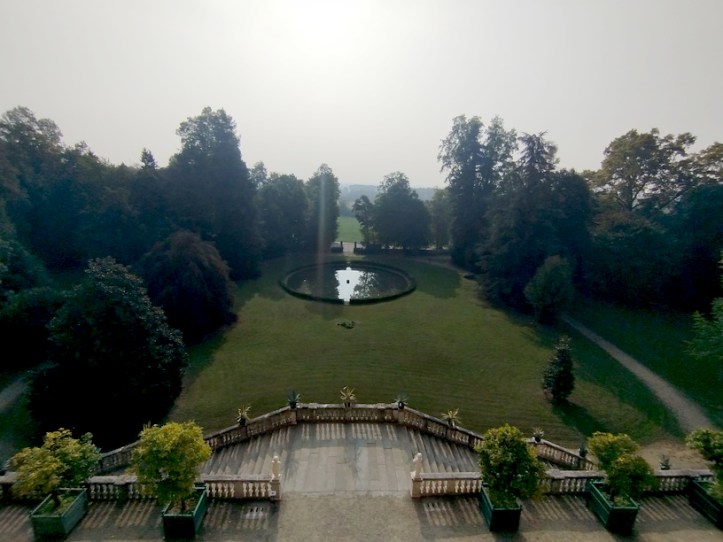
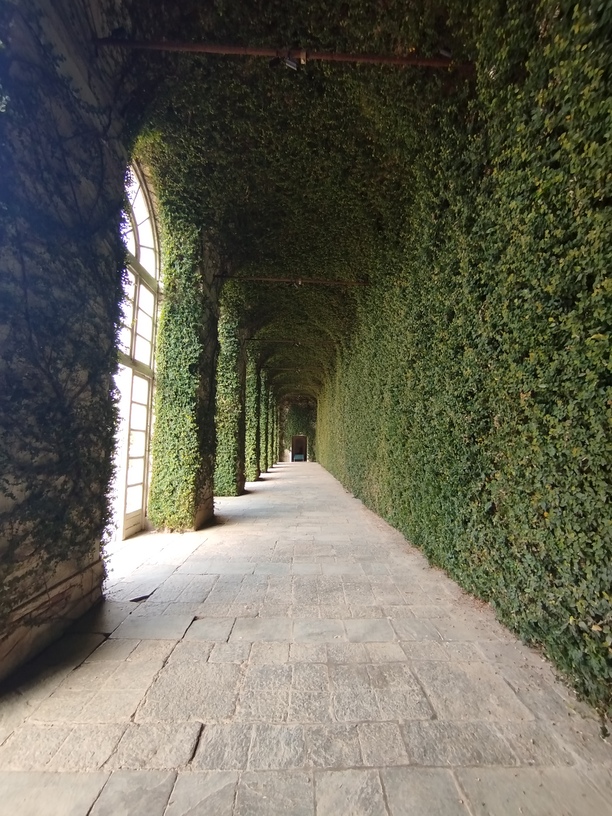
Outside the city, Agliè Ducal Castle offers an insight into the successive transformations of the historic garden. Acquired by the House of Savoy in 1764, it preserves traces of the different periods that have shaped its architecture and outdoor spaces. The gardens unfold across several levels, combining an Italian-style parterre, a raised garden and a romantic park, redesigned between 1830 and 1840 by landscape architect Xavier Kurten. Formal geometries coexist with a more naturalistic approach, characterised by winding paths, mature trees and carefully framed views. Also of particular interest are the structures originally designed for the cultivation and preservation of plants, including the Grand Orangery and the Greenhouse, distinguished by the climbing Ficus repens that covers its walls.
credit TFJ
credit TFJ
credit TFJ
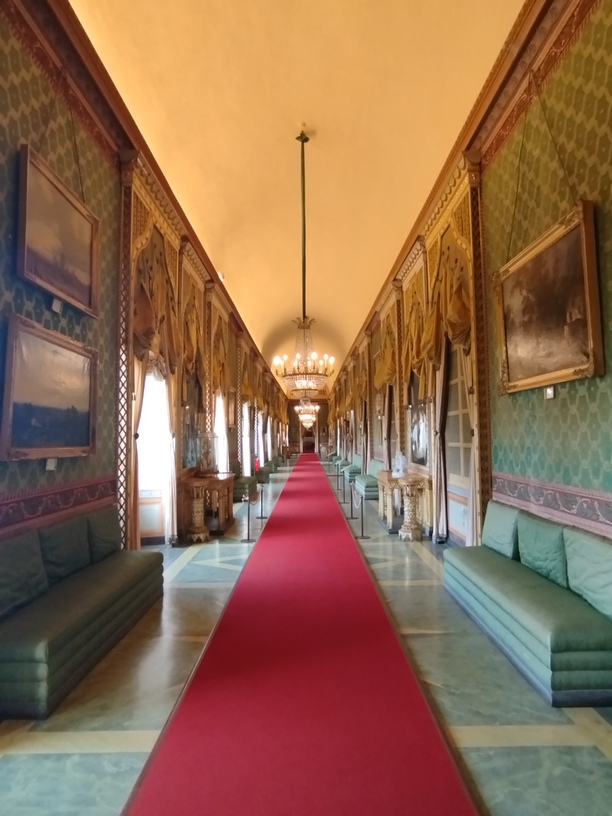
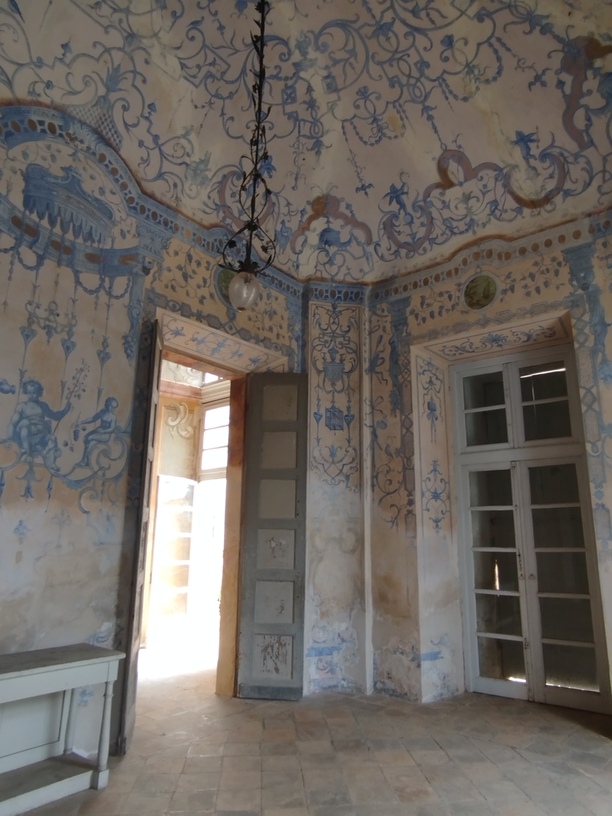
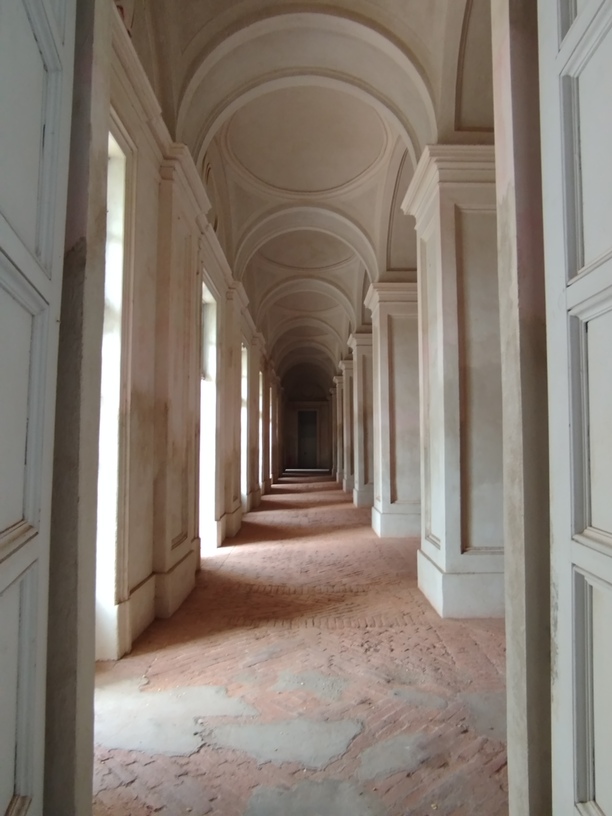
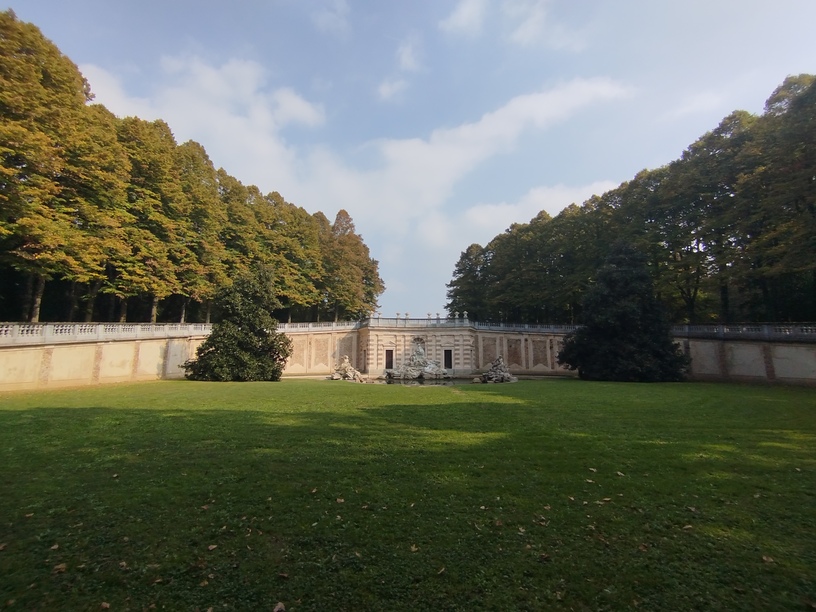
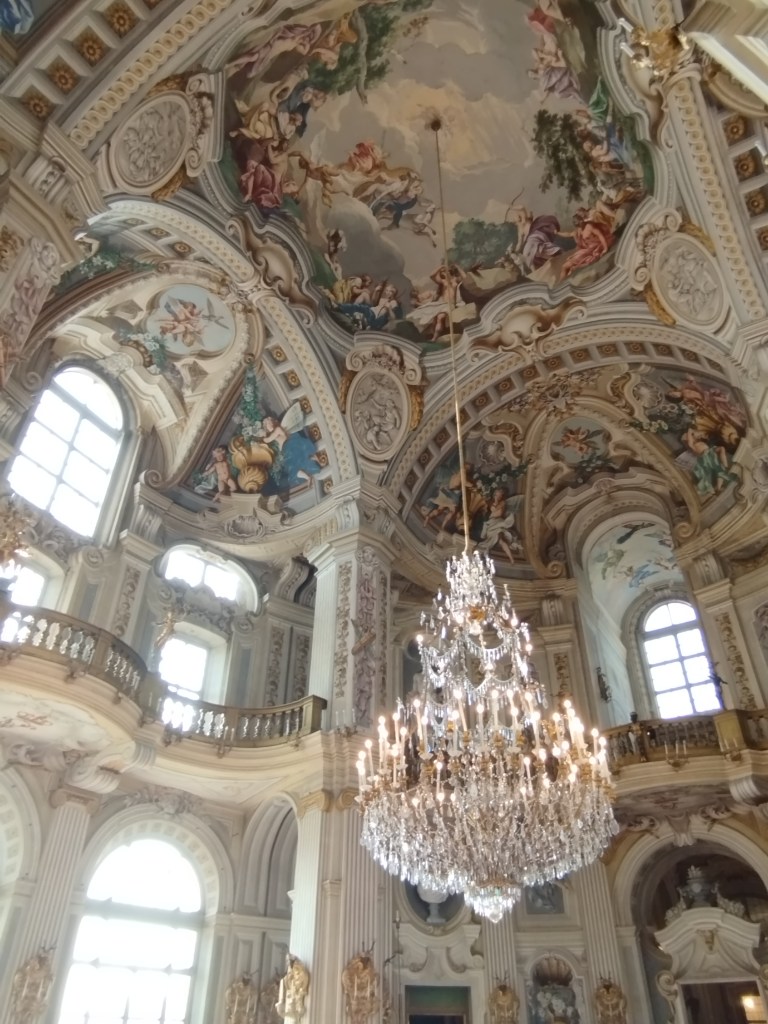
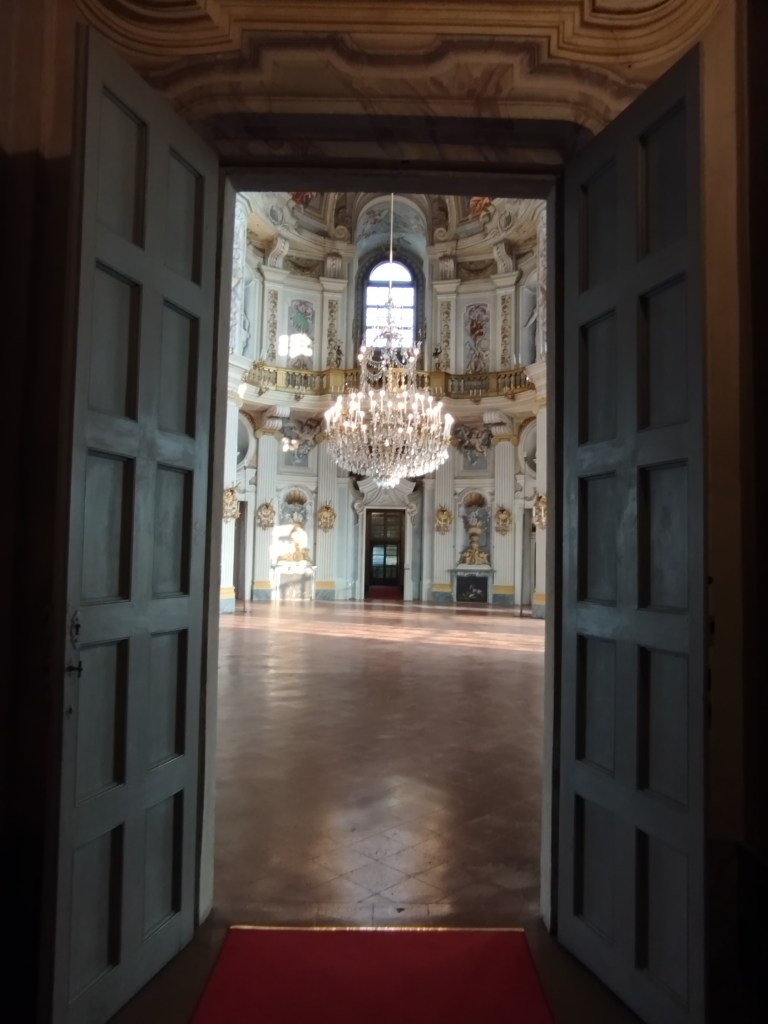
The Hunting Lodge of Stupinigi, designed by architect Filippo Juvarra from 1729 onwards, is one of the masterpieces of Piedmontese Baroque architecture. Its distinctive Saint Andrew’s cross-shaped layout revolves around a large elliptical central hall, from which four wings extend to accommodate the royal apartments and reception rooms. The arrangement also reflects the distinction between the apartments of the king and those of the queen. Outside, the architectural composition extends into the surrounding landscape through axial perspectives, tree-lined avenues and green spaces that once accompanied the historic hunting routes. Parterres and geometric patterns express an idea of order and control over space, in continuity with the design of the residence itself.
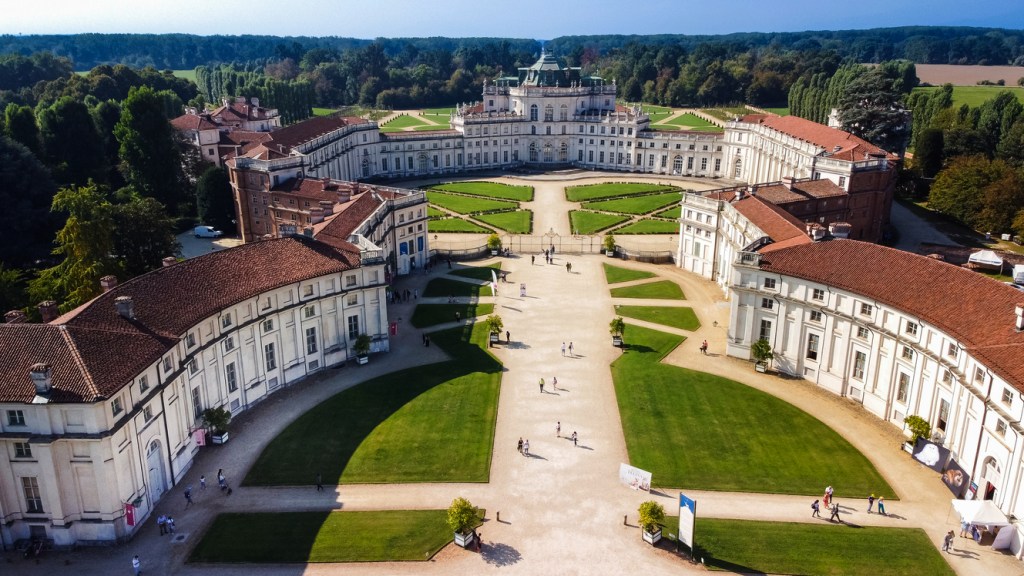
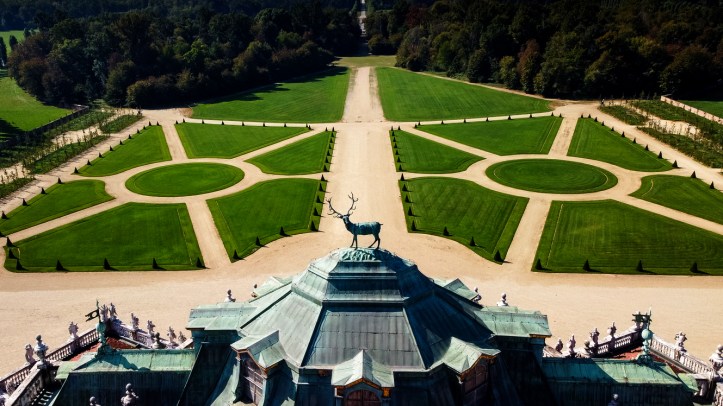
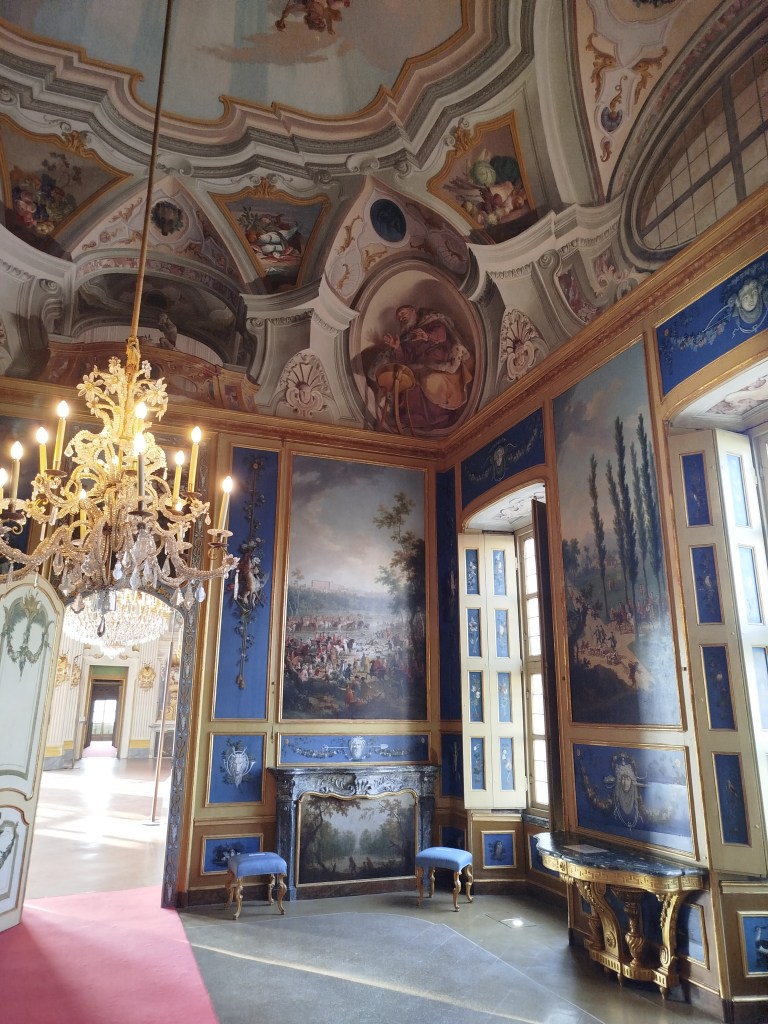
Particularly striking is the contrast between the formal rigour of the exterior, defined by harmonious lines and proportions, and the richness of the interiors, where the theatrical qualities of Baroque and Rococo taste unfold. The central hall, crowned by its spectacular dome, forms the focal point of the building. Paintings, stuccoes and decorative details testify to the work of the artists and craftsmen active at the Savoy court, including Giovanni Battista Crosato, the brothers Giuseppe and Domenico Valeriani, and Gerolamo Mengozzi Colonna.
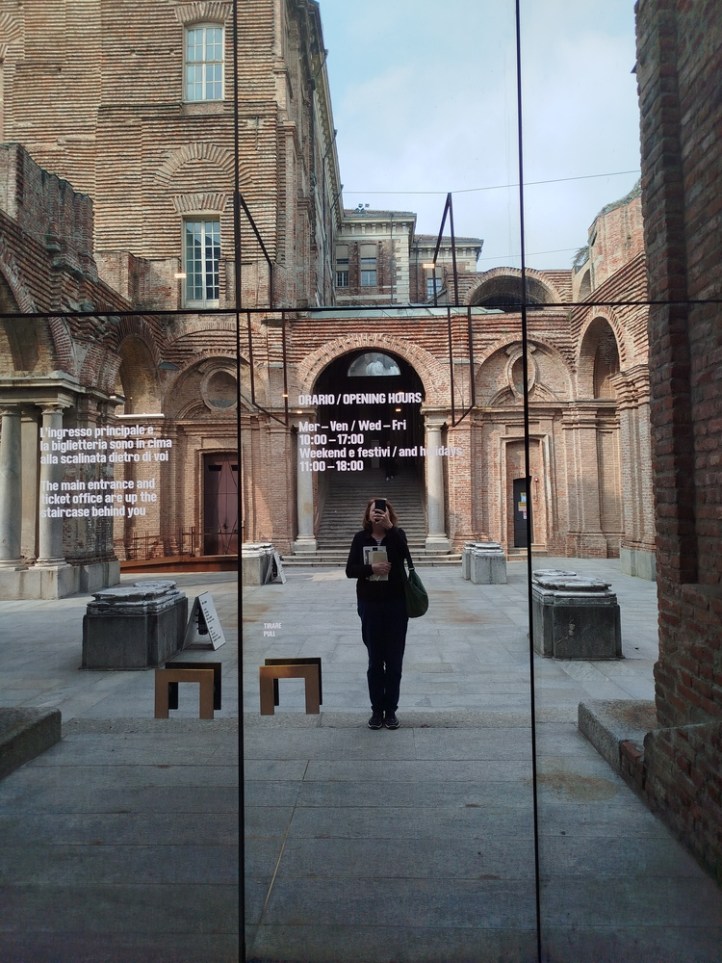
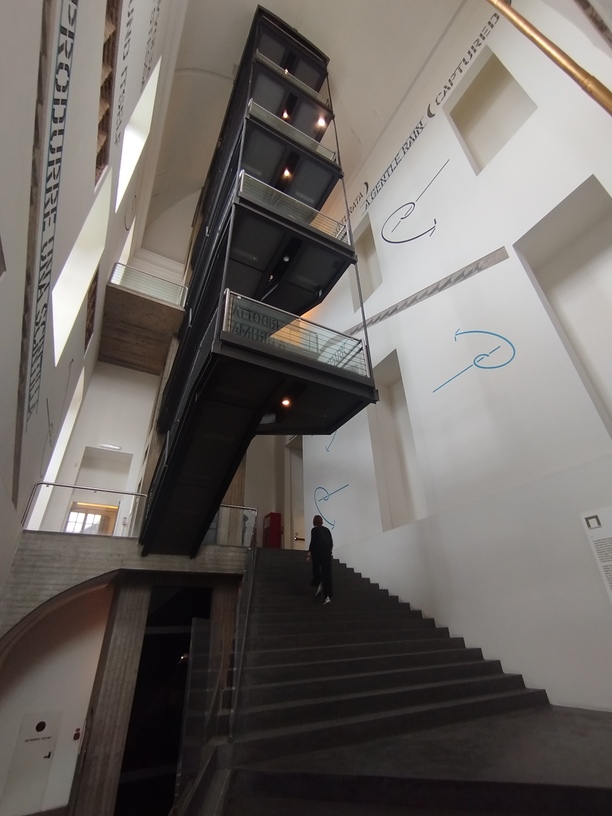
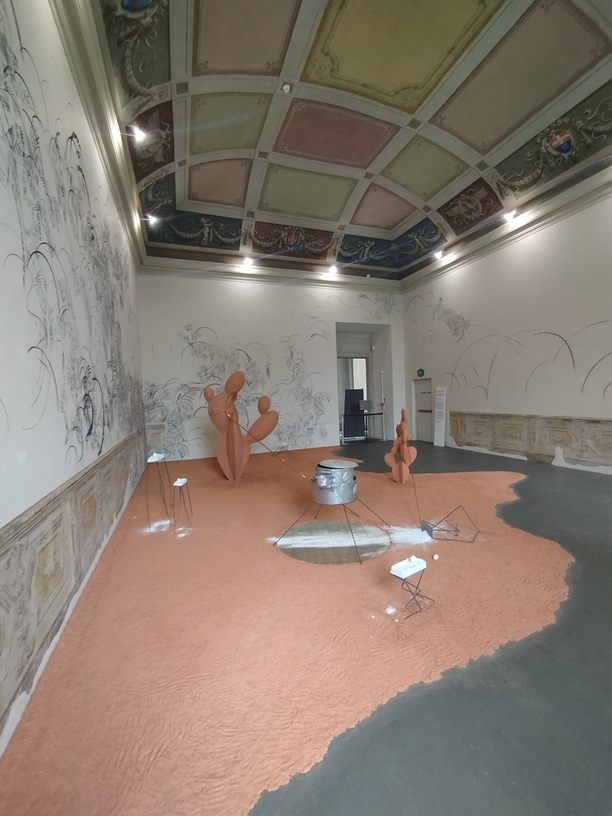
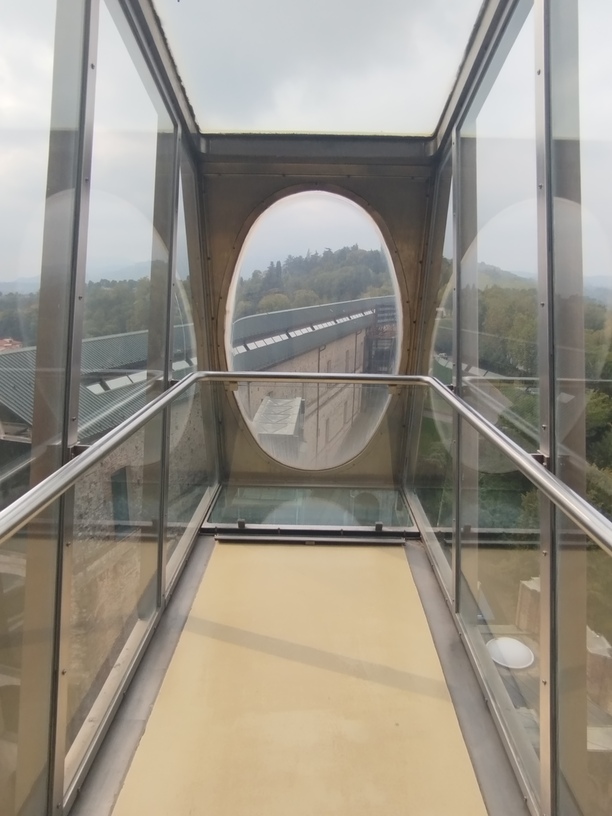
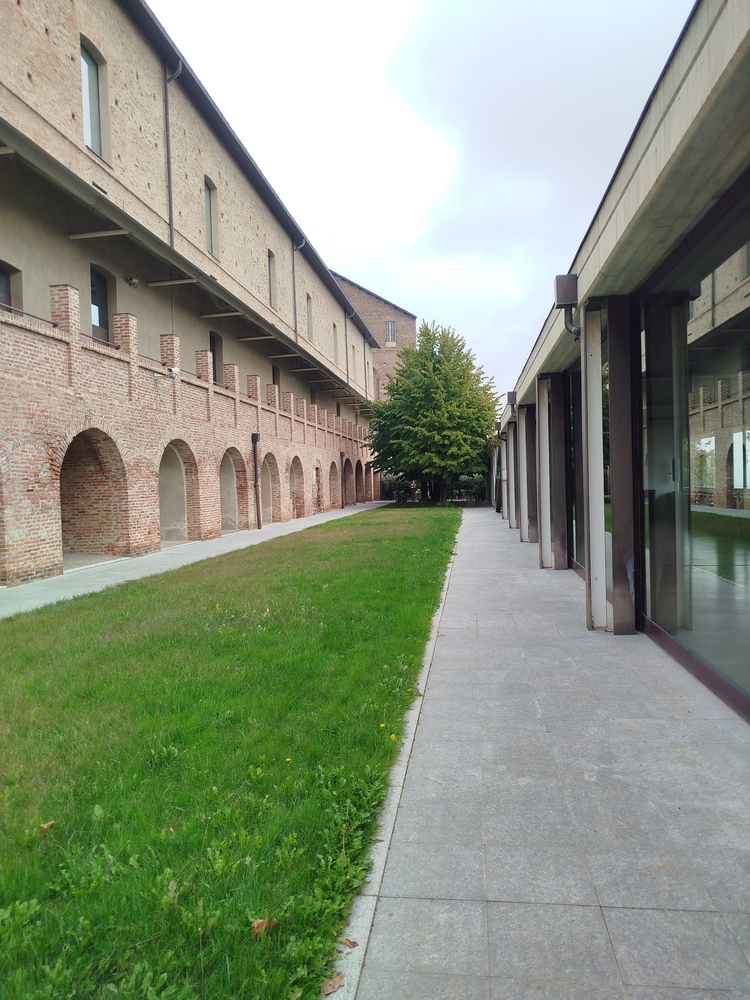
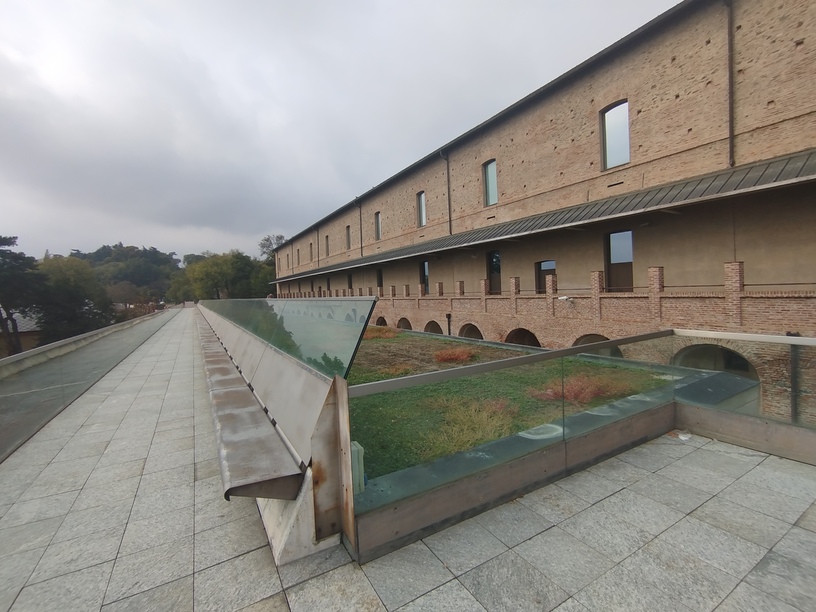
At Rivoli Castle, the dialogue between historic architecture and contemporary art takes on particular significance. Originally a medieval fortress and later transformed into a Savoy residence, the building underwent major expansion projects, first under Michelangelo Garove and subsequently under Filippo Juvarra, who developed an ambitious Baroque design in 1718 that was never completed. This very incompleteness has become one of the complex’s defining features. In 1979, architect Andrea Bruno began a major restoration project, choosing not to reconstruct the sections that had never been built, but instead to preserve the building’s different historical layers through contemporary interventions, creating a balance between memory and innovation.
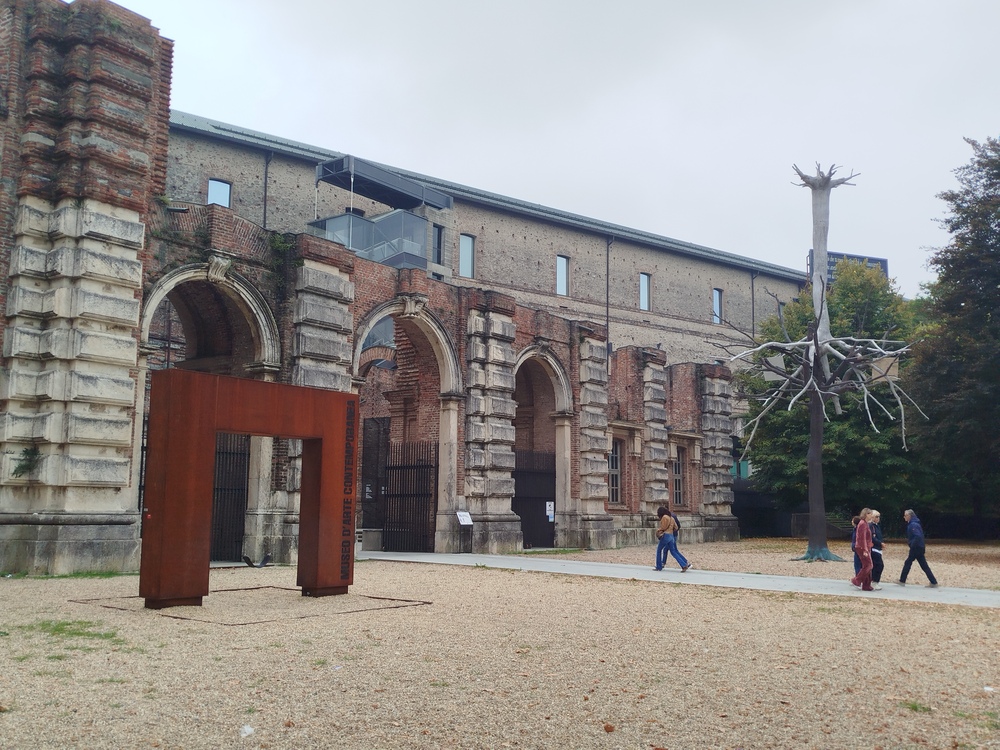
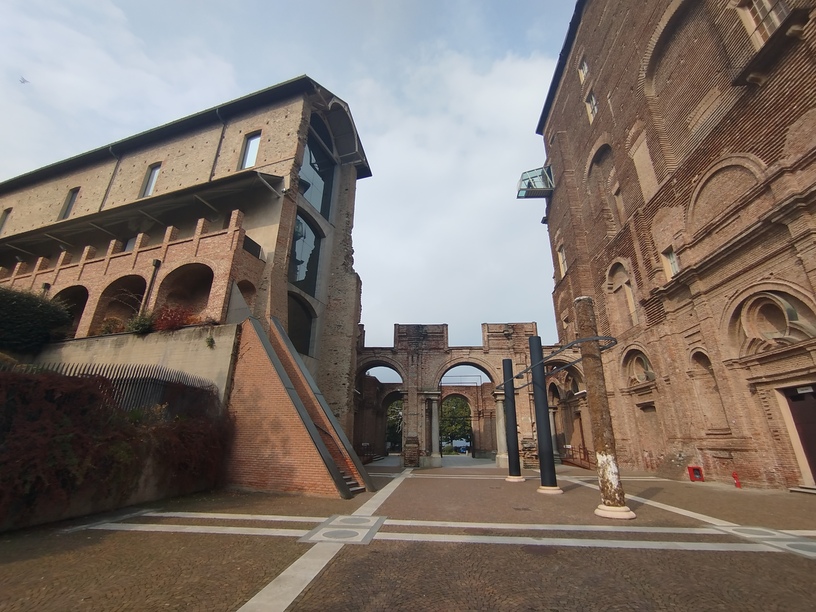
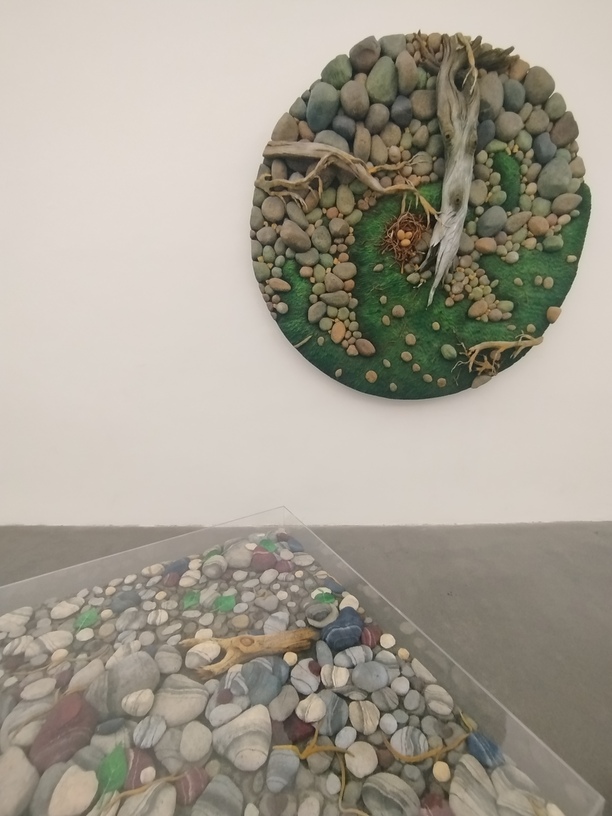
In 1984, the castle opened as a Museum of Contemporary Art, the first institution of its kind in Italy. Its collection includes a particularly significant body of Arte Povera works, with pieces by leading artists such as Piero Gilardi, Michelangelo Pistoletto, Mario Merz and Giuseppe Penone. The relationship between the building and artistic research continues to evolve: contemporary works engage with the historic rooms and unfinished architecture, transforming the castle into a meeting place for heritage and experimentation.
credit TFJ
To truly discover all the Residences of the Royal House of Savoy, it is worth looking beyond individual palaces and allowing the surrounding territories to guide the experience. The Storie a Corte (Stories at Court) programme offers guided visits and themed experiences that bring visitors closer to the history of the residences, their protagonists and court life, while the Royal Community Tours introduce the villages and historic centres that form part of this extensive heritage. Another way to explore the former court landscapes is on foot, following the Camminate Reali (Royal Walks): opportunities to discover these places from different perspectives and appreciate their connections with local communities.
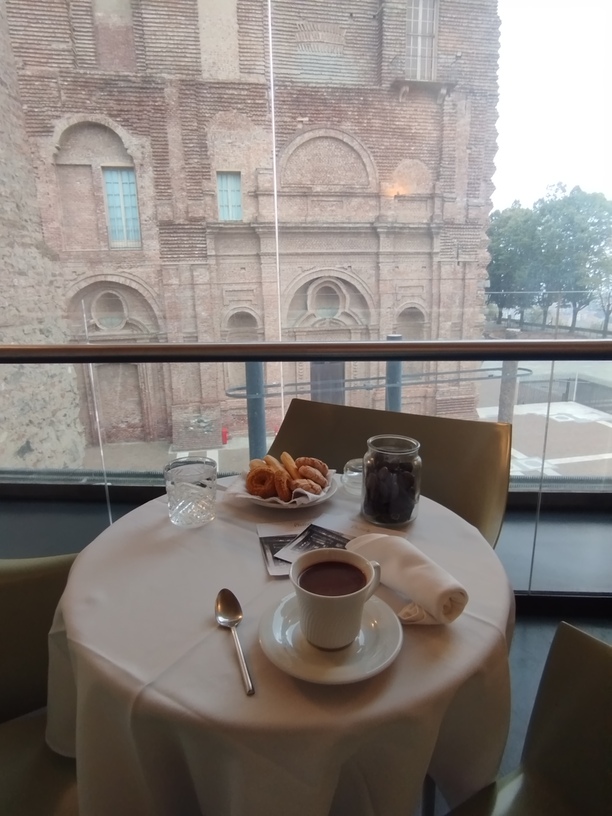
The experience can be made even more enjoyable with a Merenda Reale, reviving an eighteenth-century tradition of hot chocolate accompanied by typical Piedmontese biscuits. To make visits easier and plan an itinerary, visitors can choose the Royal Pass, dedicated to the circuit of Savoy residences, or the Torino+Piemonte Card, which provides access to numerous museums and cultural attractions throughout the city and the surrounding region.
Rediscovering the Residences of the Royal House of Savoy means travelling through centuries of history and observing how architecture and nature have helped shape Piedmont’s identity. From formal gardens to romantic parks, from Baroque scenography to contemporary reinterpretations, this heritage continues to live on in the residences, villages and landscapes that preserve its memory.
More info: https://residenzerealisabaude.com/

