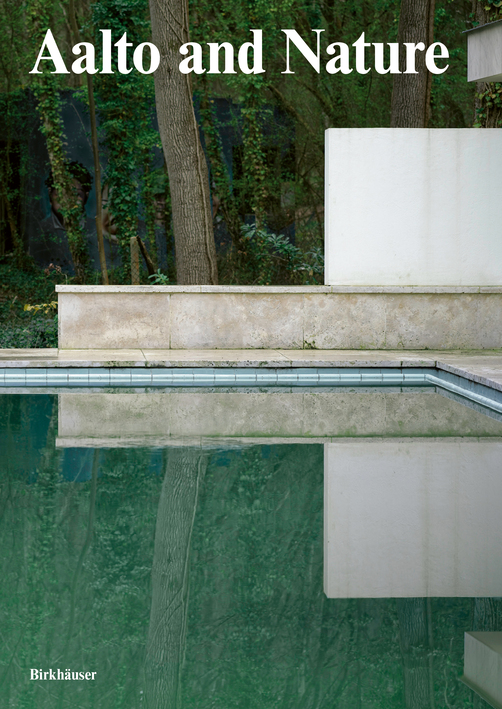
Nature was never merely a backdrop to Alvar Aalto’s architecture. It was an essential presence, a source of inspiration and a living element with which architecture could establish a continuous dialogue. The book Alvar Aalto and Nature, edited by Tom Simons and Rainer Knapas and published by Birkhäuser in 2026, explores this relationship through a collection of essays and historical documents that reconsider the Finnish architect’s work from the perspective of landscape, gardens and the natural environment.
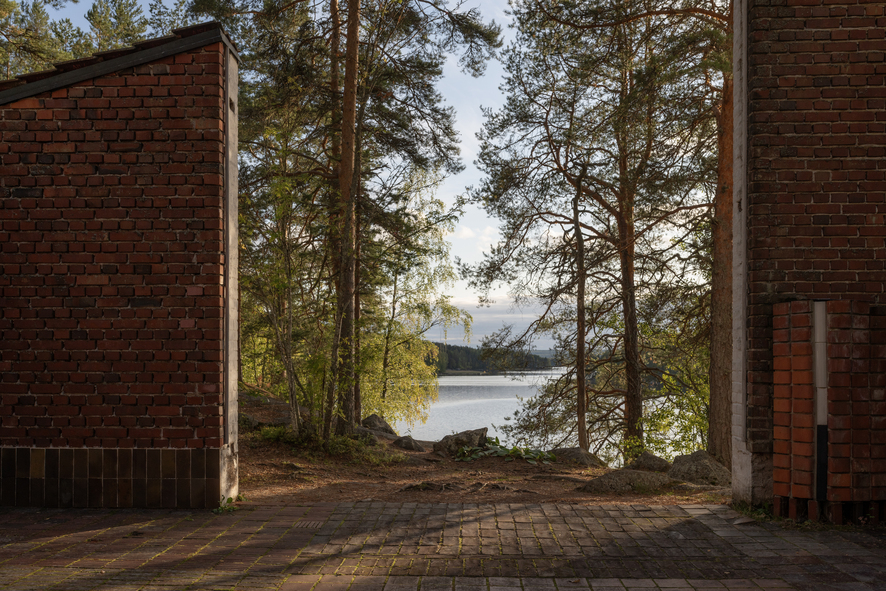
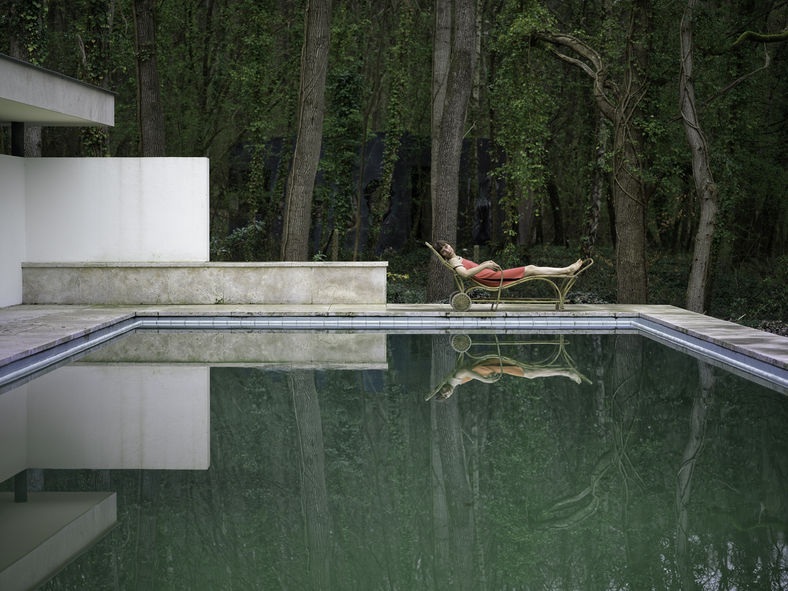
credit Elina Brotherus
Covering different phases of Aalto’s life (1898–1976), the publication follows his intellectual and artistic development through travels, drawings, photographs and archival material. One of its most fascinating starting points is an unexpected botanical document: the herbarium that Aalto compiled during the summer of 1911, when he was just thirteen years old. This early curiosity about the natural world offers an interesting key to understanding the attention to organic forms, vegetation and the surrounding environment that would later become distinctive features of his architectural language.
His relationship with nature, however, was never limited to the Nordic landscape. Travels played a fundamental role in shaping his visual culture and architectural thinking. The drawings produced during his honeymoon with Aino Aalto in Italy in 1924, together with photographs taken during journeys to Iraq and Iran in the 1950s, reveal an architect constantly observing and absorbing different cultural traditions. Mediterranean towns such as San Gimignano and Assisi, the cypress trees of Morocco and the ancient Lion Gate of Mycenae appear in his sketches as fragments of a wider visual exploration. Influences ranging from Gunnar Asplund and Le Corbusier to the gardens of the English Arts and Crafts movement contributed to this evolving dialogue between architecture, history and landscape.
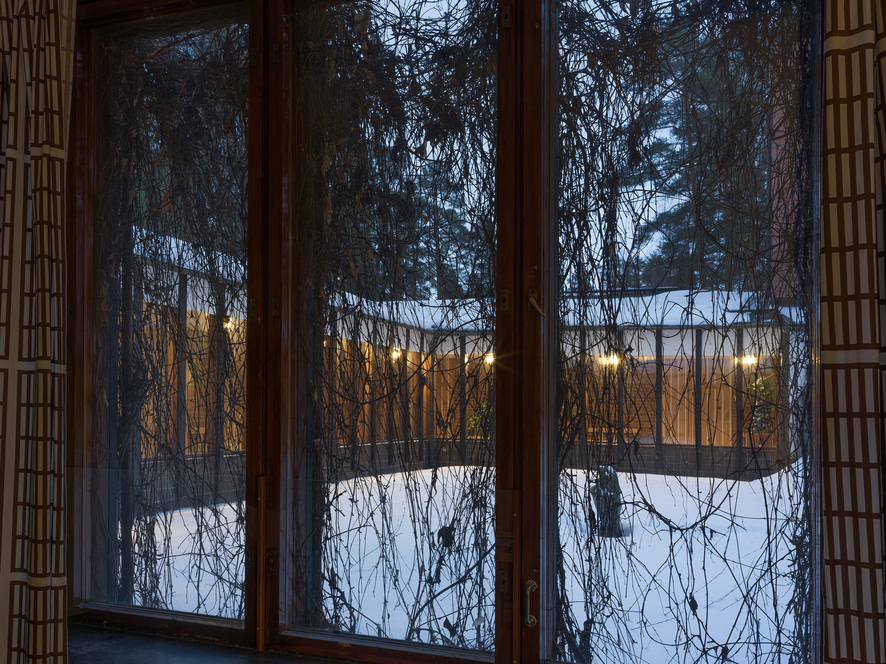
The publication also brings attention to Aalto’s less familiar work in landscape and garden design. His approach to Villa Mairea (1938–1939), for example, illustrates how architecture and landscape could be conceived as a unified composition rather than separate disciplines. The garden becomes an extension of the house, while vegetation, materials and the surrounding terrain participate in the spatial experience. This perspective encourages us to reconsider Aalto not only as one of the great figures of modern architecture, but also as a designer who understood the landscape as an integral part of the built environment. The contributions and creative roles of Aino and Elissa Aalto further enrich this broader understanding of the Aalto practice.
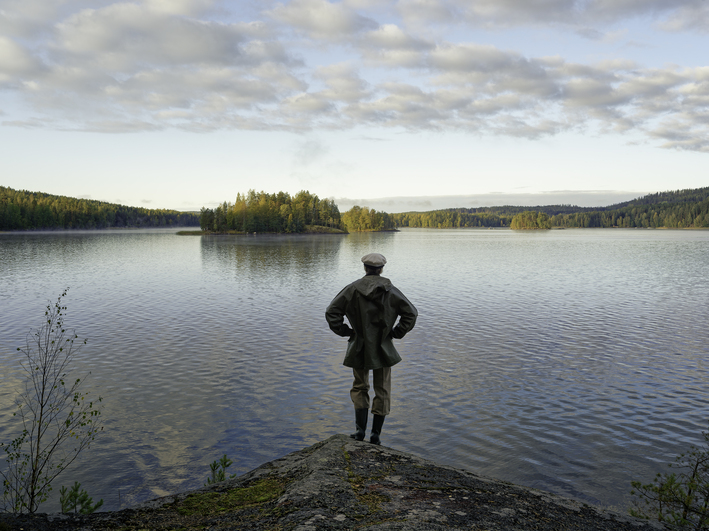
An especially welcome visual contribution comes from Finnish photographer Elina Brotherus, whose photographic essays offer a contemplative counterpoint to the historical and critical texts. Moving between Finnish landscapes, nature within Aalto’s architecture and the ancient temples of Selinunte and Agrigento in Sicily, her images explore the relationship between the built environment and the way we experience the natural world. Some compositions recall the solitary figures seen from behind in the paintings of Caspar David Friedrich, while others focus on more intimate observations, such as the winter landscape framed by the windows of the Paimio Sanatorium.
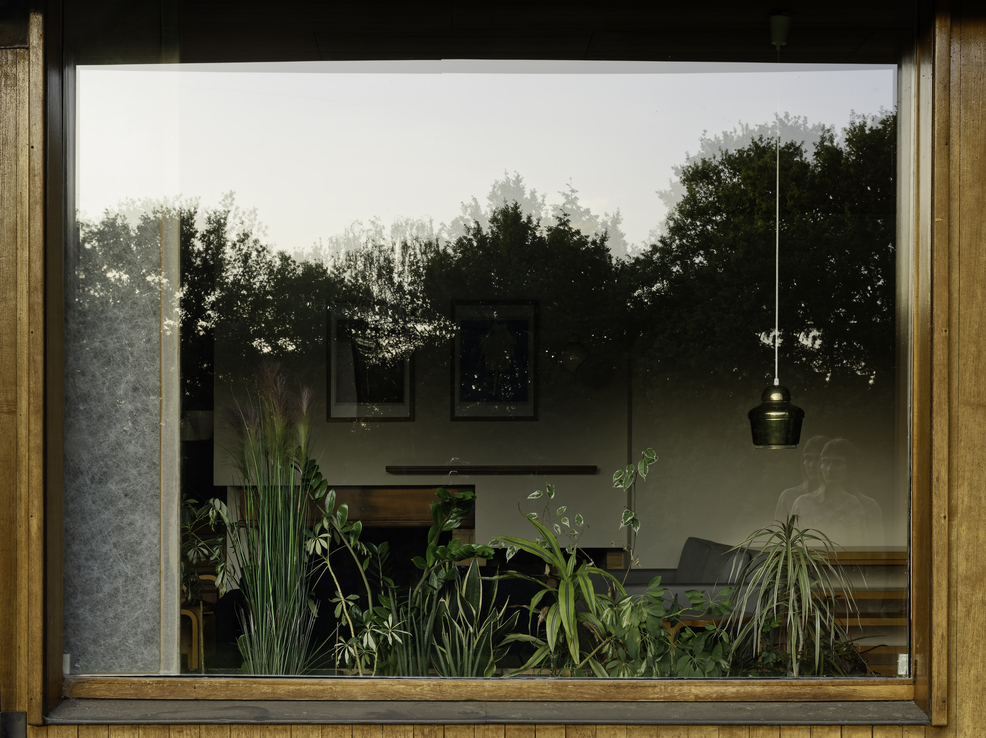
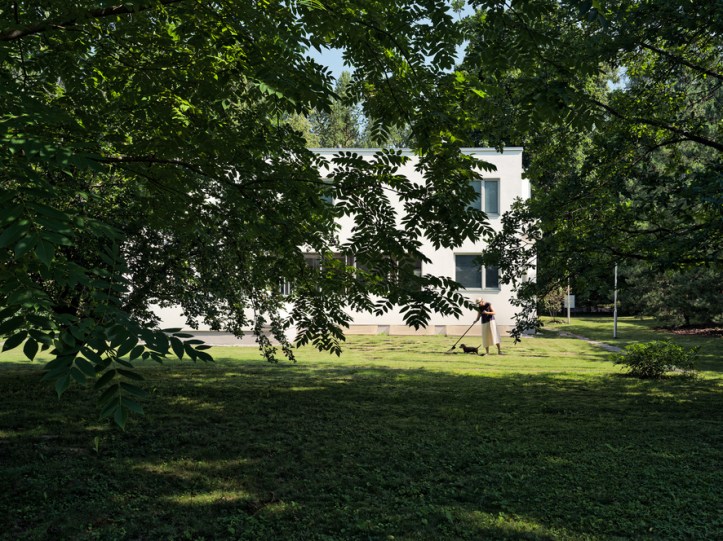
These photographs suggest that the subject is not simply nature itself, but its perception: how landscape is framed, encountered and interpreted through architecture. It is perhaps here that the book offers one of its most compelling insights. Aalto was not merely interested in bringing nature into architecture; he sought to understand how people could experience it through space, light, materials and views.
Although some aspects of the narrative follow a relatively conventional biographical and chronological approach, the wealth of historical sources and, above all, Aalto’s own sketches make the volume particularly rewarding. Alvar Aalto and Nature invites readers to look beyond the buildings and rediscover the landscape as an essential component of architectural thought. For architects, landscape designers and anyone interested in the cultural relationship between gardens, art and architecture, it offers a valuable perspective on a fundamental question: how can architecture become part of nature without losing its own identity?