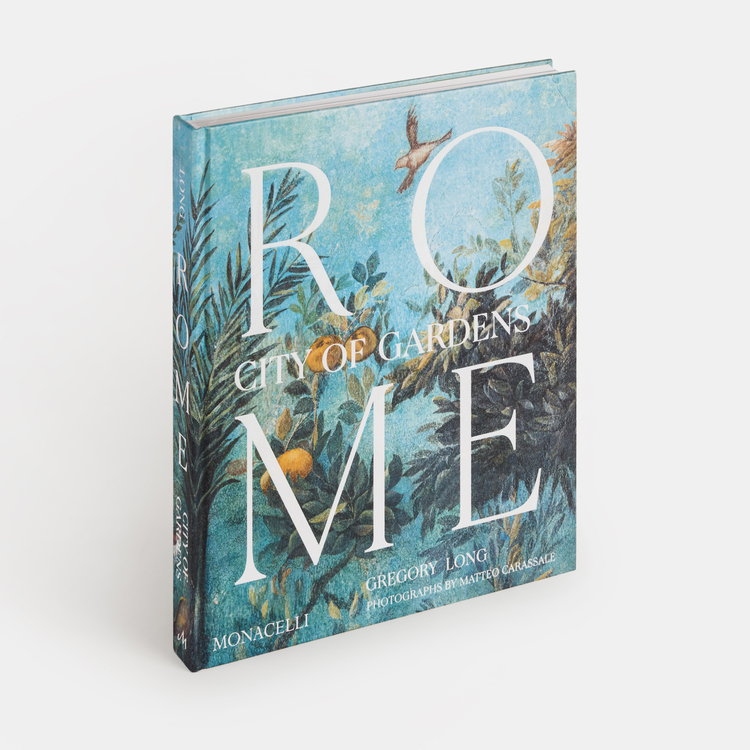
Rome in Italy is universally celebrated for its monuments, archaeological sites and extraordinary architectural legacy. Yet, beyond its celebrated piazzas and historic buildings, another dimension of the Eternal City unfolds through its gardens, orchards and green spaces. These landscapes, shaped over centuries by emperors, popes, aristocratic families and contemporary designers, reveal a different way of understanding Rome: through the relationship between nature, culture, power and beauty.
With Rome: City of Gardens, published by Phaidon, Gregory Long, president emeritus of the New York Botanical Garden, offers a journey through 24 gardens across the Roman landscape, spanning approximately 2,000 years of history. Illustrated with photographs by Matteo Carassale and introduced by a foreword by Alessandra Vinciguerra, the 256-page volume celebrates the extraordinary continuity of garden culture in and around the Italian capital.
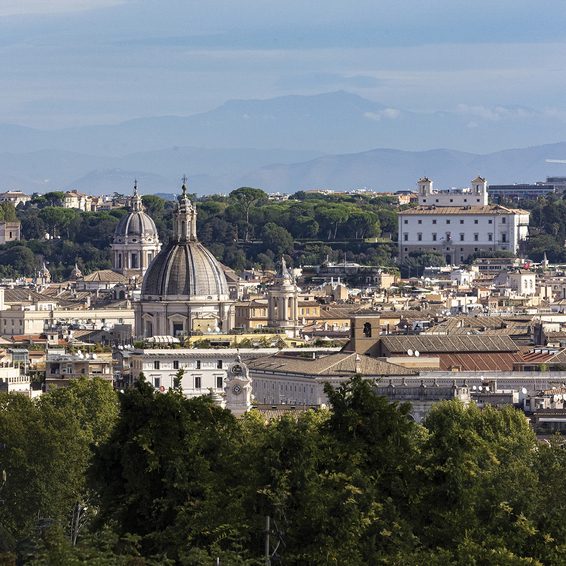
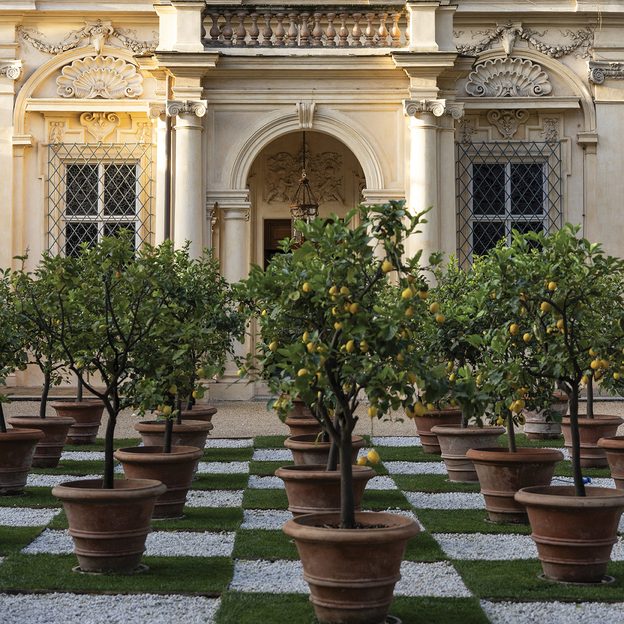
The book is structured around three significant periods, each representing a distinct golden age of Roman horticulture: Ancient Rome (150 BCE–300 CE), the Renaissance and Baroque eras (1400–1650), and the modern period, beginning with Italian unification in 1871 and continuing to the present day. This historical framework offers readers an opportunity to explore how gardens have evolved alongside the city’s political, artistic and cultural transformations.
Among the landscapes featured are some of Italy’s most celebrated historic gardens. Hadrian’s Villa at Tivoli, with its romantic ruins and sculptures, and the spectacular water theatre of Villa d’Este demonstrate the extraordinary relationship between architecture and water. The terraces of Villa Lante and the secluded Belvedere Courtyard and Casino of Pius IV in the Vatican further illustrate the artistic sophistication of Renaissance and Baroque garden design.
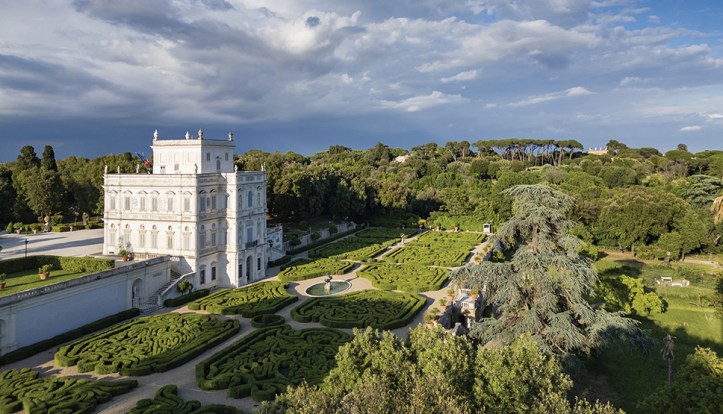
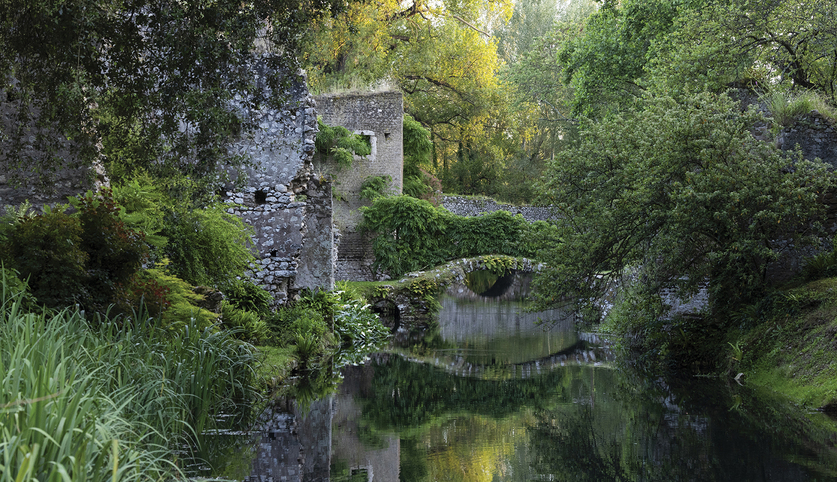
However, the volume does not limit its perspective to historical masterpieces. It also introduces more recent interpretations of the Roman landscape, including Palazzo Parisi, the family estate of landscape architect Arabella Lennox-Boyd; La Torrecchia Vecchia, where Dan Pearson created a green-and-white garden around the remains of a medieval town; and the reimagining of the Bass Garden and Villa Aurelia by Laurie Olin at the American Academy in Rome.
One of the book’s central themes is the relationship between gardens and cultural identity. Through the stories of their creators, Gregory Long explores the personalities, ambitions and artistic visions behind these landscapes, bringing together an intriguing cast of emperors, aristocrats, cardinals, popes, architects and artists. Gardens emerge not simply as designed spaces, but as expressions of authority, intellectual exchange, social aspiration and changing aesthetic sensibilities.
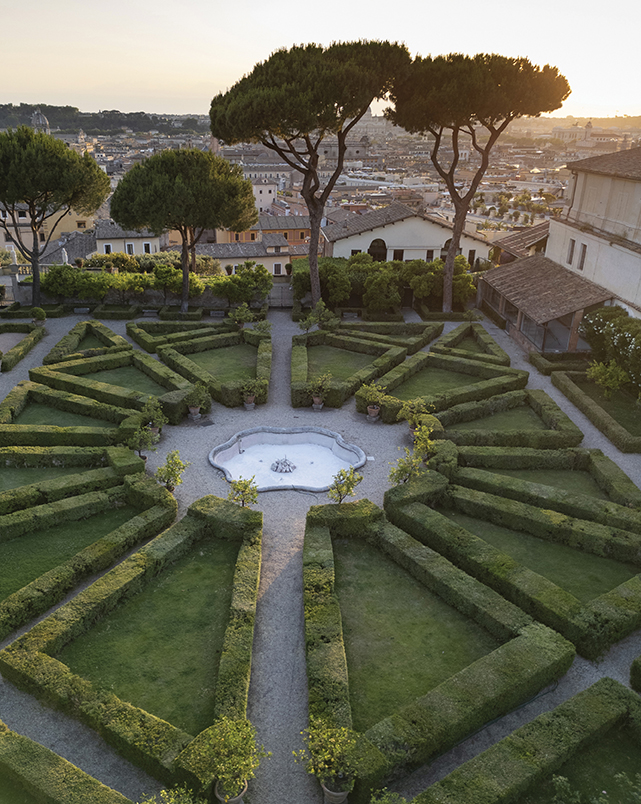
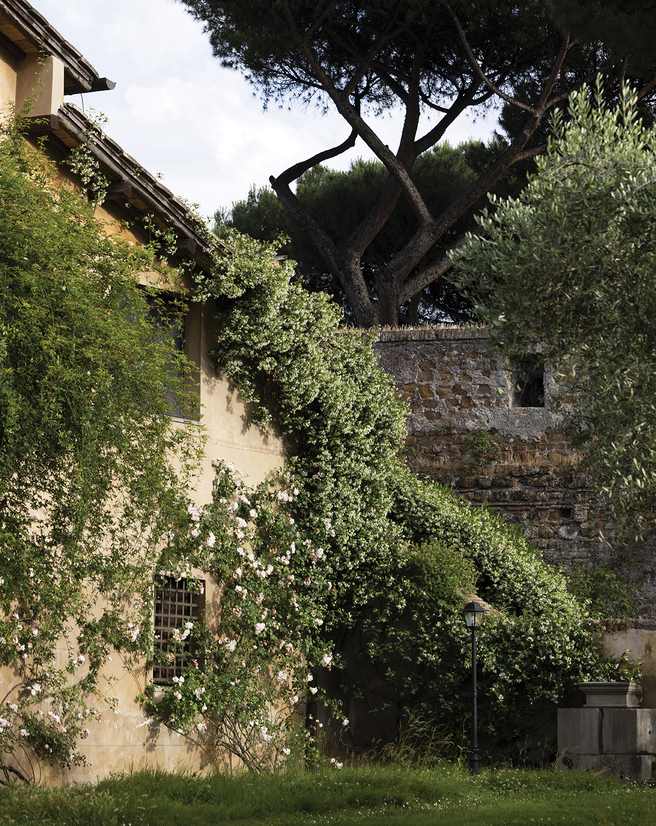
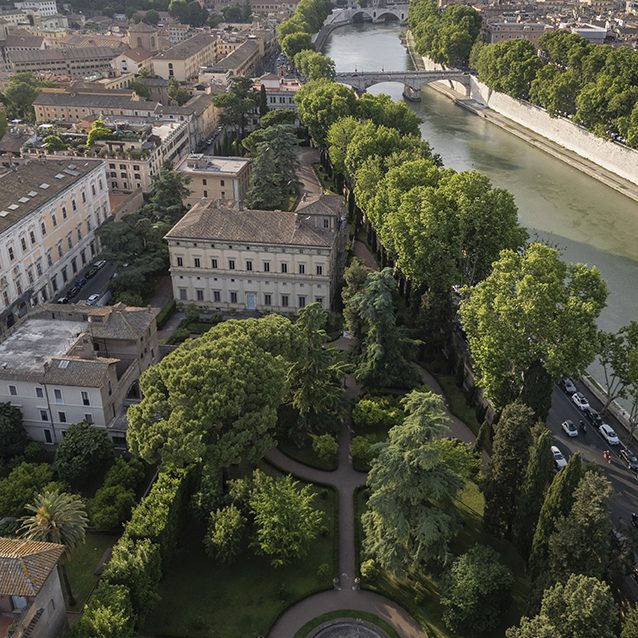
Matteo Carassale’s specially commissioned photography plays an essential role in this visual narrative. His images capture the richness of vegetation, architectural details and the distinctive atmosphere of each location, making the book an invitation to discover landscapes that are often less visible than Rome’s monumental heritage.
Rome: City of Gardens is ultimately an exploration of a city through its green heritage. By bringing together ancient sites, Renaissance masterpieces and contemporary landscape interventions, Gregory Long reminds us that Rome’s identity cannot be understood through architecture and monuments alone. Its gardens are equally important witnesses to the history of the city, offering a living cultural legacy in which nature and human creativity have been intertwined for more than two millennia.