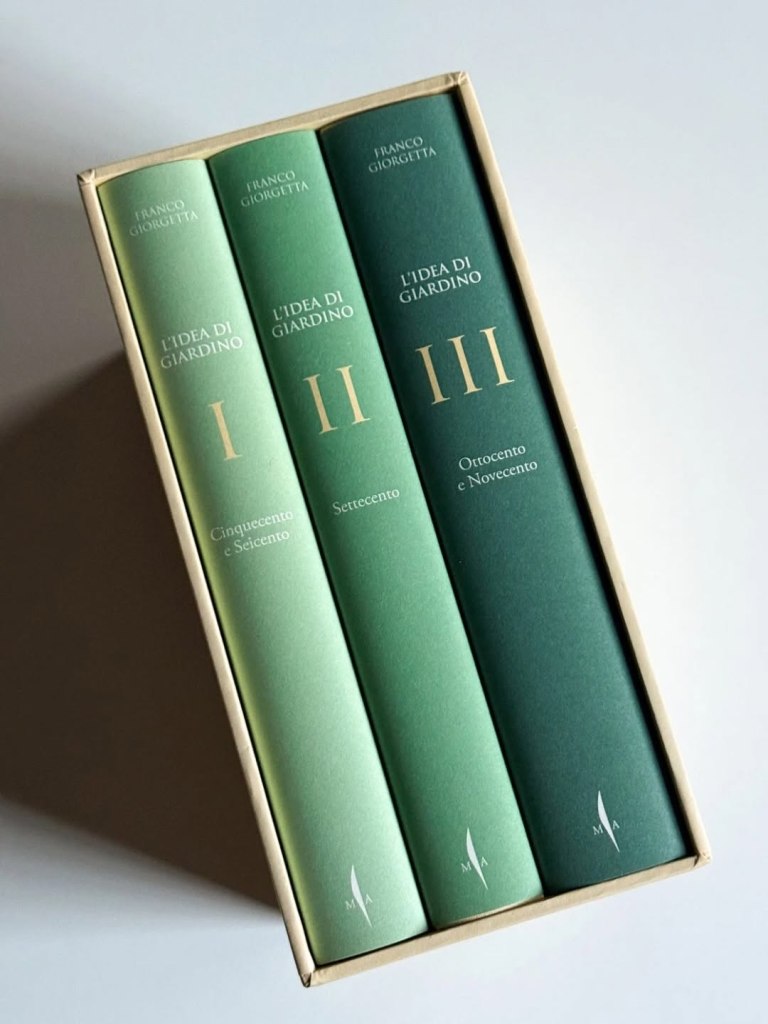
Few scholarly works succeed in reconstructing the history of an idea through the voices of those who shaped it across the centuries. L’idea di giardino dal XV secolo al XX secolo attraverso le fonti a stampa (The Idea of the Garden from the Fifteenth to the Twentieth Century through Printed Sources) , written by professor and landscape architect Franco Giorgetta, achieves precisely this ambitious goal. Published by Marsilio Arte and conceived as a unified three-volume work, it offers an extraordinary journey through five centuries of cultural, artistic, botanical, and intellectual history.
What makes this publication remarkable is not only its chronological breadth but also the scale of its documentary research. Drawing upon the writings of more than four hundred authors, including philosophers, botanists, architects, landscape designers, horticulturists, travelers, artists, scientists, and literary figures, Giorgetta reconstructs the evolution of the garden as both a physical space and a cultural concept. The result is far more than a history of gardens; it is a history of European civilization viewed through one of its most enduring and expressive symbols.
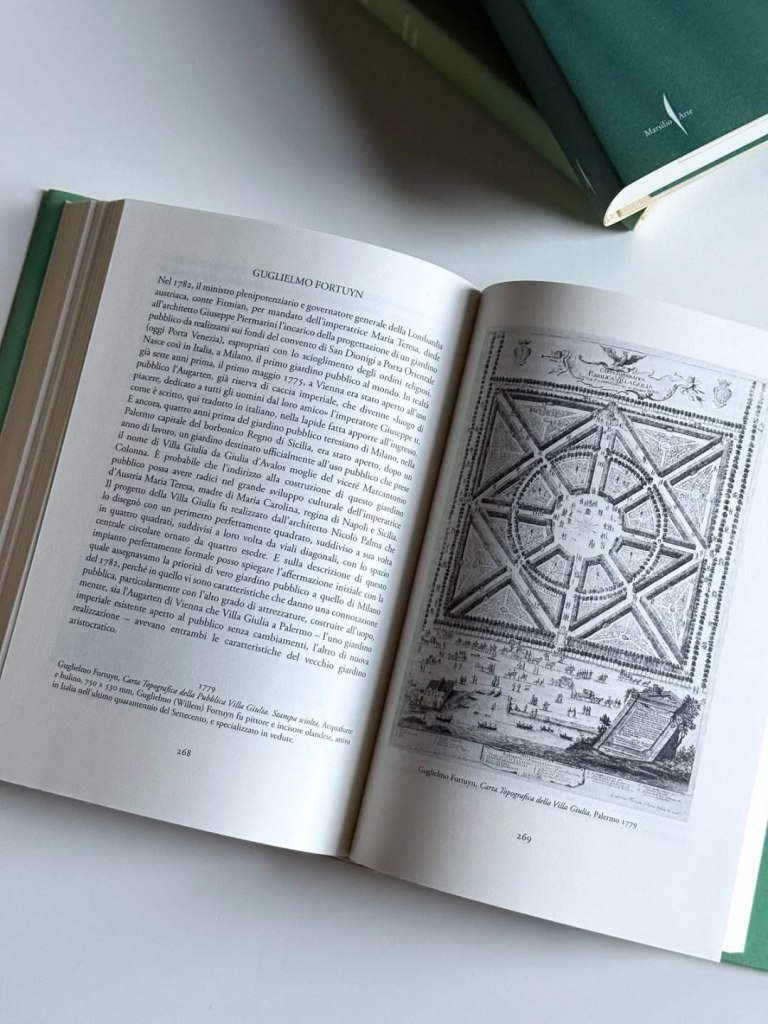
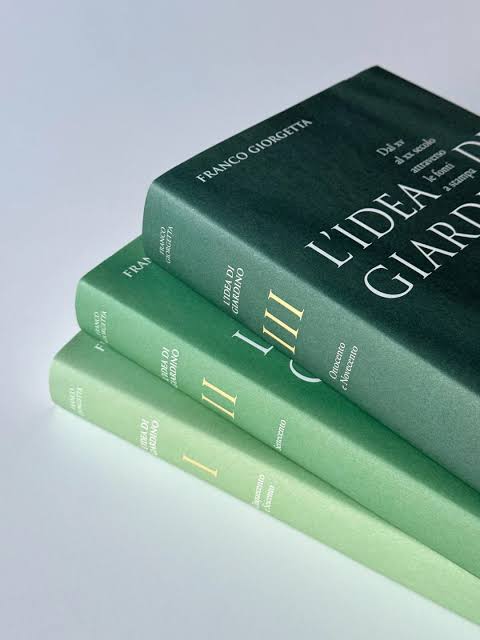
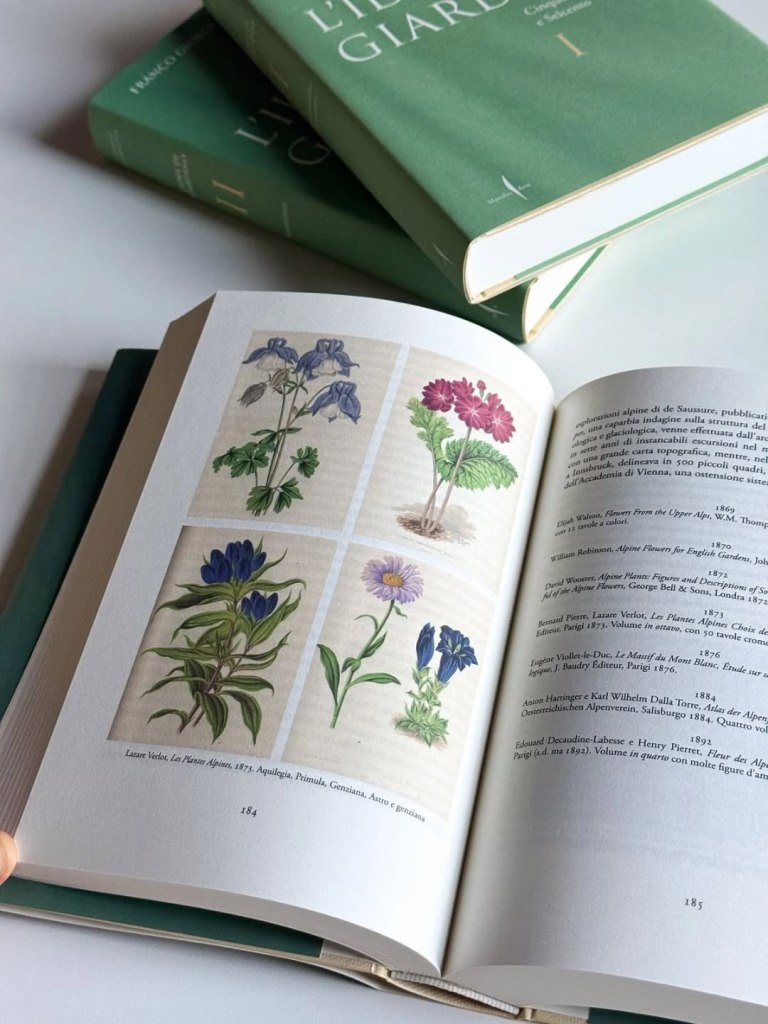
Although written in Italian, the three volumes deserve the attention of an international audience. Their extensive use of primary sources, rigorous scholarship, and broad cultural perspective make them an important contribution to the study of garden history and landscape culture beyond national boundaries. In an era when landscape studies increasingly embrace interdisciplinary and international approaches, Giorgetta’s work stands as a significant reference for scholars and practitioners alike.
As landscape philosopher Massimo Venturi Ferriolo writes in his introduction, “Gardens are the mirror of a community’s life and reveal the passions of individuals.” This observation provides the interpretative key to the entire project. Throughout the three volumes, the garden emerges not merely as a designed landscape, but as a reflection of changing social values, aesthetic ideals, scientific discoveries, political ambitions, and philosophical visions.
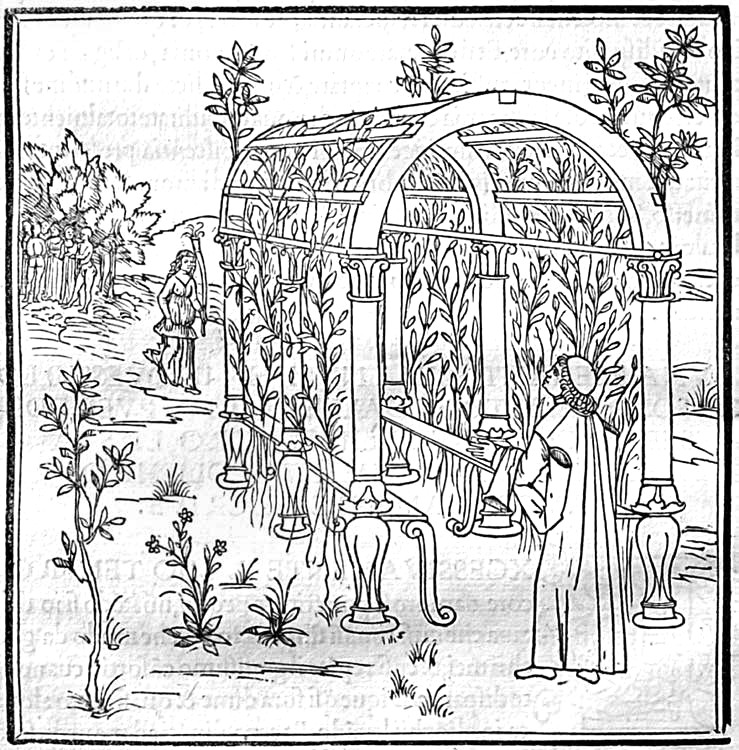
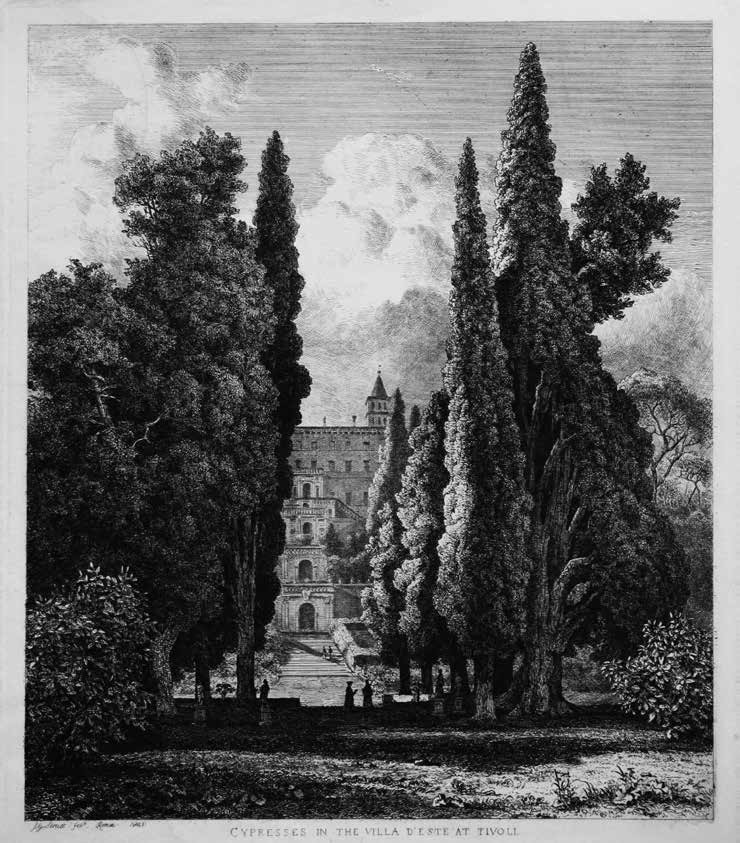
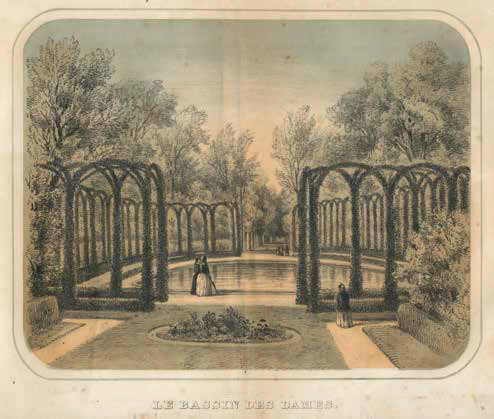
One of the work’s greatest strengths lies in its methodology. Rather than relying predominantly on modern interpretations, Giorgetta returns to original printed sources, allowing historical authors to speak directly to contemporary readers. Each text is accompanied by insightful commentary and contextual analysis, creating a dialogue across centuries while preserving the authenticity of the original voices. The reader is invited to witness how successive generations understood nature, beauty, cultivation, and the relationship between humanity and the environment.
The first volume, covering the Renaissance and the seventeenth century, explores the intellectual foundations of European garden culture. Among its many protagonists are Francesco Colonna and Salomon de Caus. Colonna’s Hypnerotomachia Poliphili (1499) remains one of the most influential works in the history of garden imagery, presenting a visionary world where architecture, symbolism, mythology, and nature converge. Salomon de Caus, meanwhile, exemplifies the Baroque fascination with technical ingenuity. Through his pioneering work in hydraulics and water engineering, he transformed gardens into dynamic spaces of spectacle, where science and artistic invention combined to create experiences of wonder.
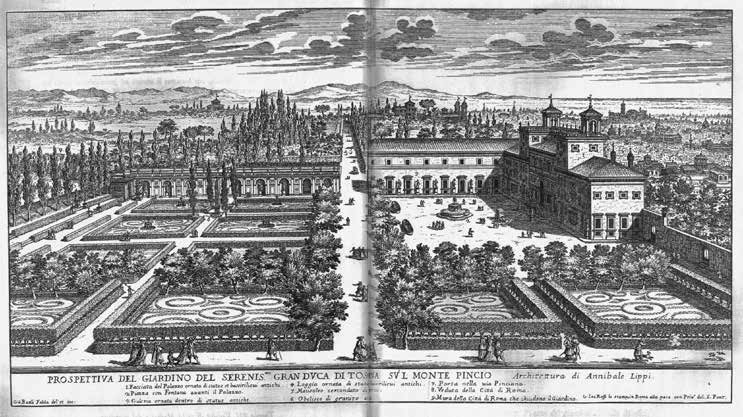
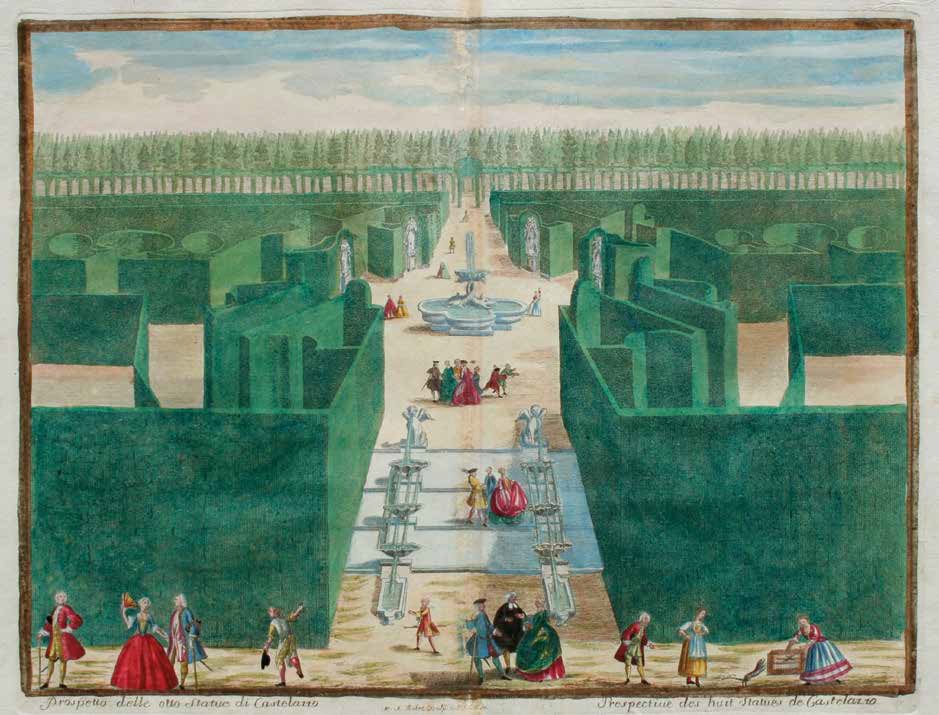
statues credit Marsilio Arte
The second volume follows the cultural transformations of the eighteenth century, a period in which ideas about nature underwent profound change. Figures such as Jean-Jacques Rousseau and Humphry Repton illustrate this evolution. Rousseau’s celebration of natural feeling challenged the rigid geometries of formal garden traditions and helped inspire a new appreciation of landscape as an emotional and philosophical experience. Repton, often regarded as one of the founders of modern landscape design, developed innovative methods for visualizing and planning landscapes, helping to shape the transition from ornamental gardening to a broader understanding of landscape architecture.
The third volume brings the story into the nineteenth and twentieth centuries, when industrialization, scientific discovery, and new artistic sensibilities transformed the relationship between people and nature. William Robinson’s advocacy of the natural garden rejected excessive formalism in favour of ecological harmony and plant diversity. Gertrude Jekyll elevated garden design into a sophisticated artistic practice, combining horticultural knowledge with a painter’s sensitivity to colour, texture, and seasonal rhythm. Their work helped establish many of the principles that continue to influence contemporary garden and landscape design.
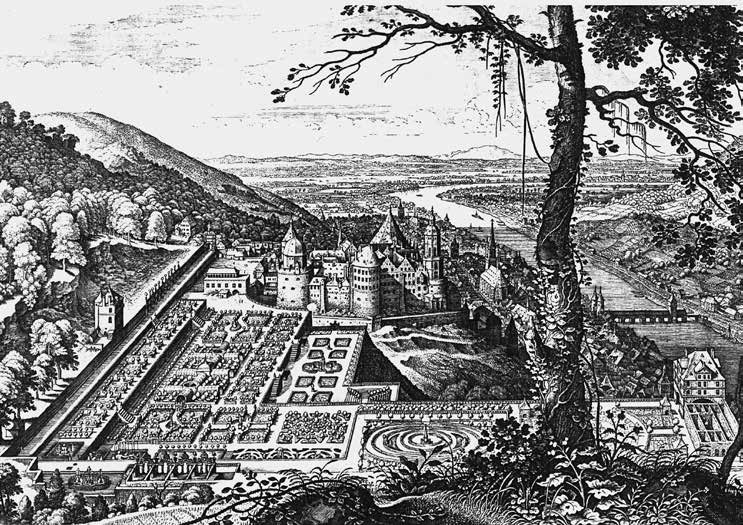
credit Marsilio Arte
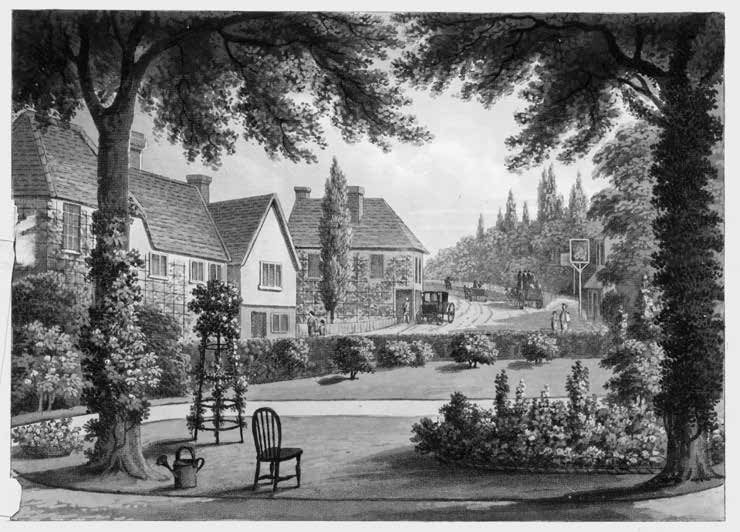
Yet the true achievement of Giorgetta’s research lies in its extraordinary breadth. Beyond the celebrated names, readers encounter hundreds of lesser-known writers, botanists, travelers, nurserymen, philosophers, and designers whose contributions collectively shaped the history of gardens. This remarkable diversity transforms the work into far more than a historical survey; it becomes a vast intellectual archive documenting how different societies have imagined, represented, cultivated, and interpreted nature over five centuries.
For historians, landscape architects, horticulturists, garden scholars, and cultural historians, The Idea of the Garden represents an invaluable resource. Its impressive command of primary sources, combined with a clear commitment to historical accuracy and cultural context, makes it a significant contribution to garden studies. More importantly, it reminds us that gardens are not merely collections of plants or designed spaces. They are repositories of memory, expressions of cultural identity, and reflections of humanity’s changing relationship with the natural world.
In bringing together the voices of more than four hundred authors across five centuries, Franco Giorgetta has produced a work of exceptional scope and ambition. The Idea of the Garden is not simply a history of gardens; it is a history of ideas. Through its pages, the garden emerges as a mirror of civilization itself revealing, in every age, the values, aspirations, and imagination of the societies that created it.