‘Madoo: The Making of an American Garden‘ written by Alejandro Saralegui and Kendell Cronstrom an published by Timber Press is an elegant and captivating tribute to one of America’s most distinctive gardens and to the visionary artist who created it. Combining garden history, cultural biography, and stunning visual documentation, the book offers readers an intimate look at Madoo, the celebrated Hamptons garden established by painter, poet, and self-taught horticulturist Robert Dash.
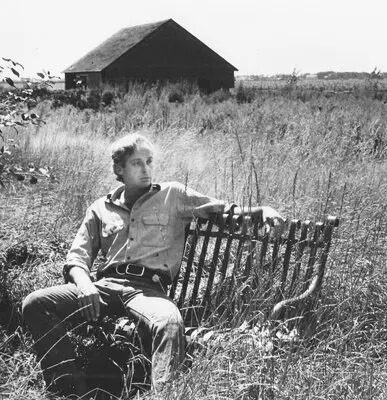
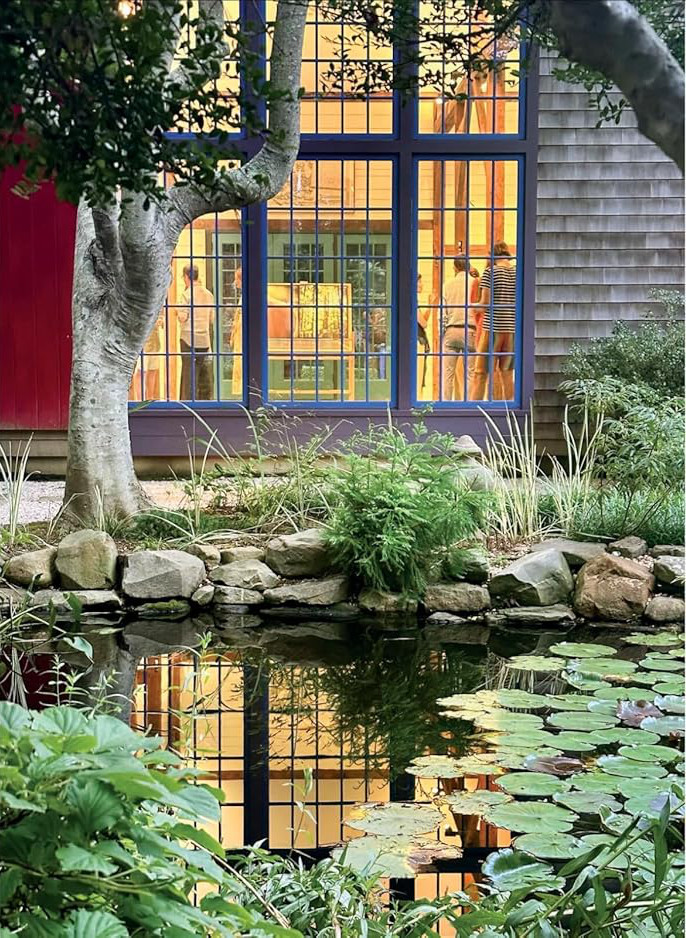
What makes this volume particularly engaging is its ability to present Madoo not merely as a beautiful landscape but as a creative world shaped by artistic imagination. Beginning in the 1960s, Dash transformed an ordinary farm field into an extraordinary garden that reflected his eclectic tastes, intellectual curiosity, and love of experimentation. Over time, Madoo became both a personal refuge and a gathering place for some of the most influential artists, writers, and thinkers of the period.
credit Timber Press
credit Timber Press
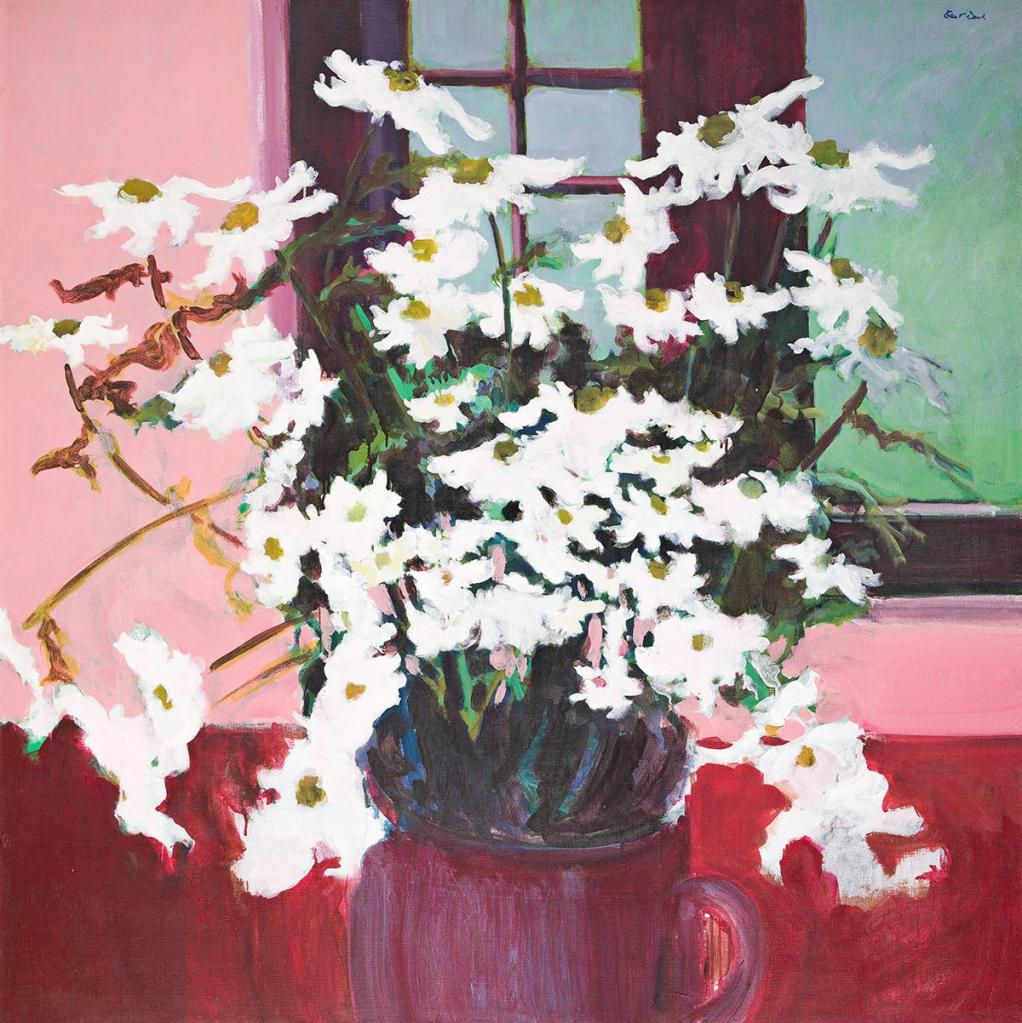
Saralegui and Cronstrom skillfully trace the evolution of the garden while illuminating the remarkable life of its creator. Dash emerges as a figure who resisted categorisation: painter, poet, gardener, and cultural host. The authors show how these different facets of his identity informed one another, resulting in a garden that feels less like a designed landscape and more like a living artwork. Their narrative is enriched by contributions from individuals who witnessed Madoo’s development firsthand, adding depth and authenticity to the story.
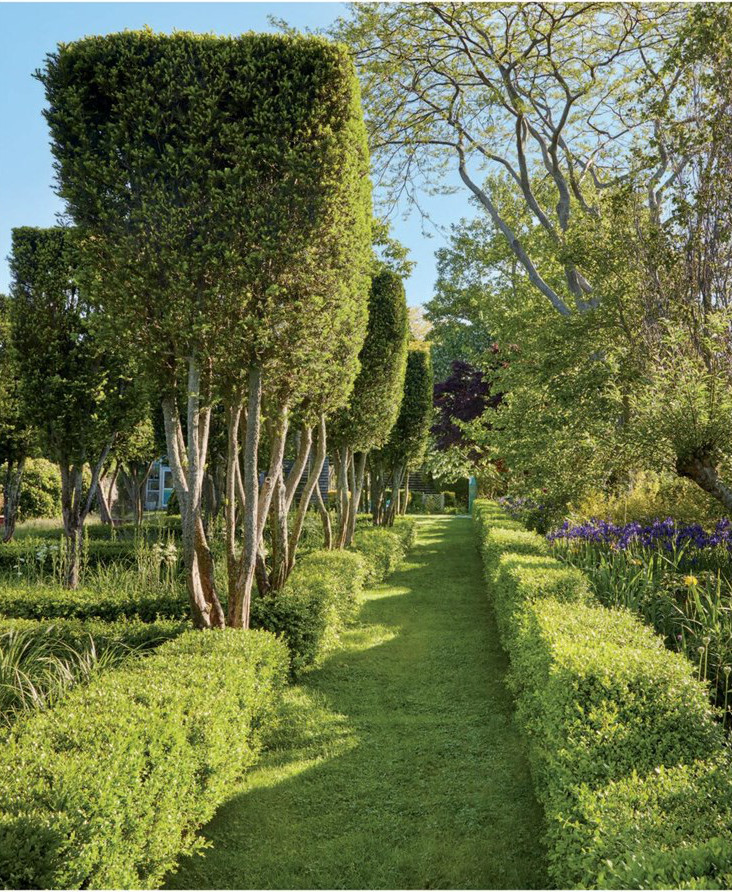
The book’s greatest asset, however, may be its visual content. Tria Giovan’s photography captures the atmosphere and character of Madoo with exceptional sensitivity. Her images reveal not only the garden’s lush plantings and dramatic compositions but also its sense of intimacy and surprise. Archival photographs, historical documents, and reproductions of Dash’s own paintings and drawings further enhance the reader’s understanding of the garden’s history and creative significance.
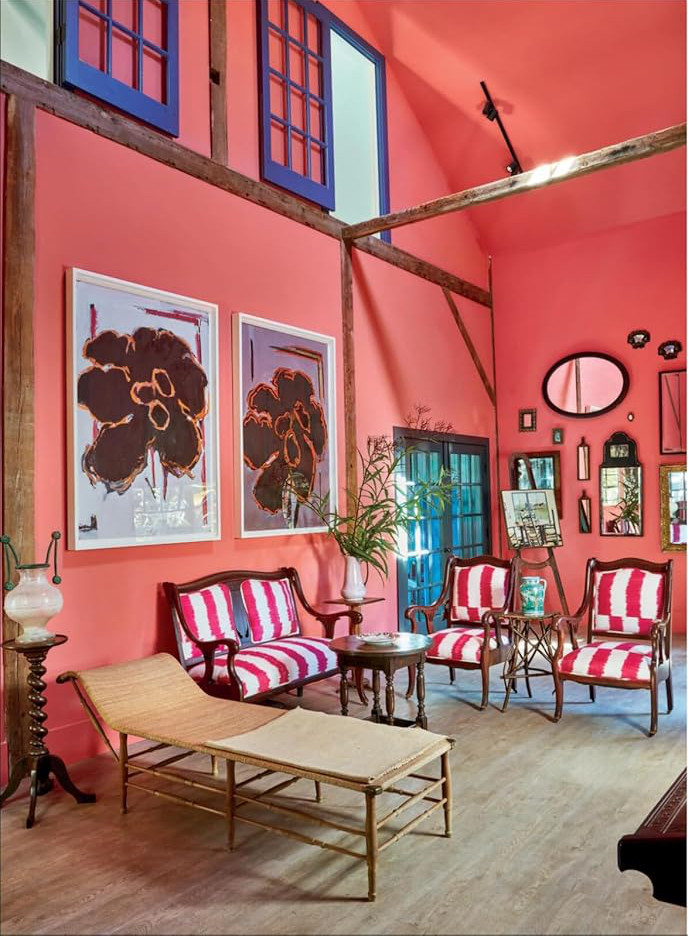
credit Timber Press
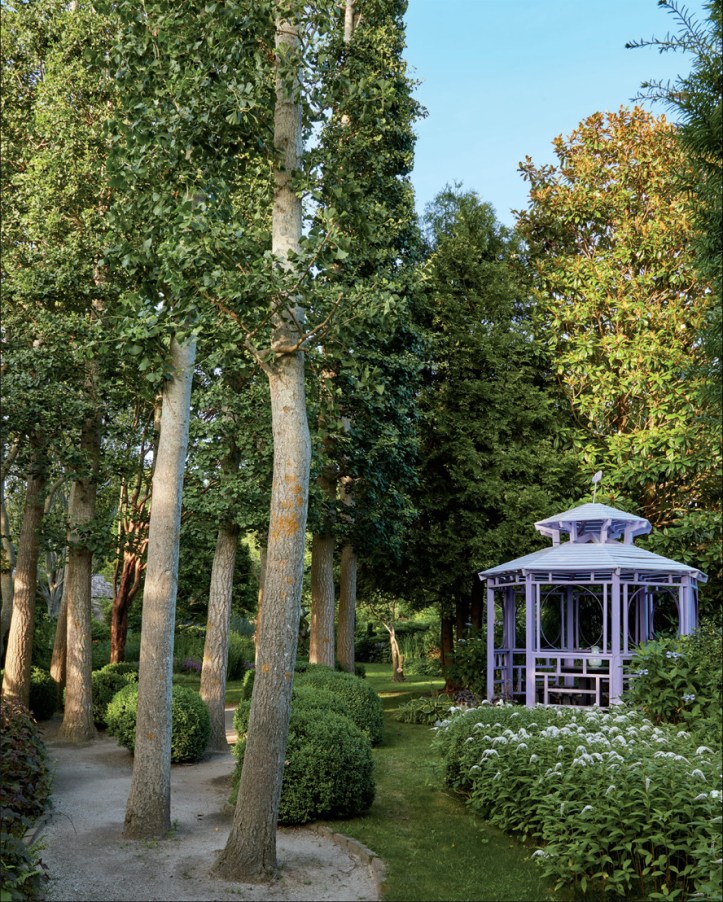
credit Timber Press
Equally fascinating is the account of Madoo as a cultural meeting place. Writers and artists including John Ashbery, Fairfield Porter, Willem de Kooning, and James Schuyler found inspiration there, contributing to an environment where art, literature, and landscape intertwined. The book effectively conveys this unique spirit of collaboration and exchange, demonstrating why Madoo occupies a special place in American cultural history.
Beautifully produced and richly illustrated, Madoo: The Making of an American Garden will appeal not only to gardeners but also to readers interested in art, design, and the creative life. It is a thoughtful celebration of a remarkable place and a reminder of how landscapes can become enduring expressions of imagination, friendship, and artistic vision.
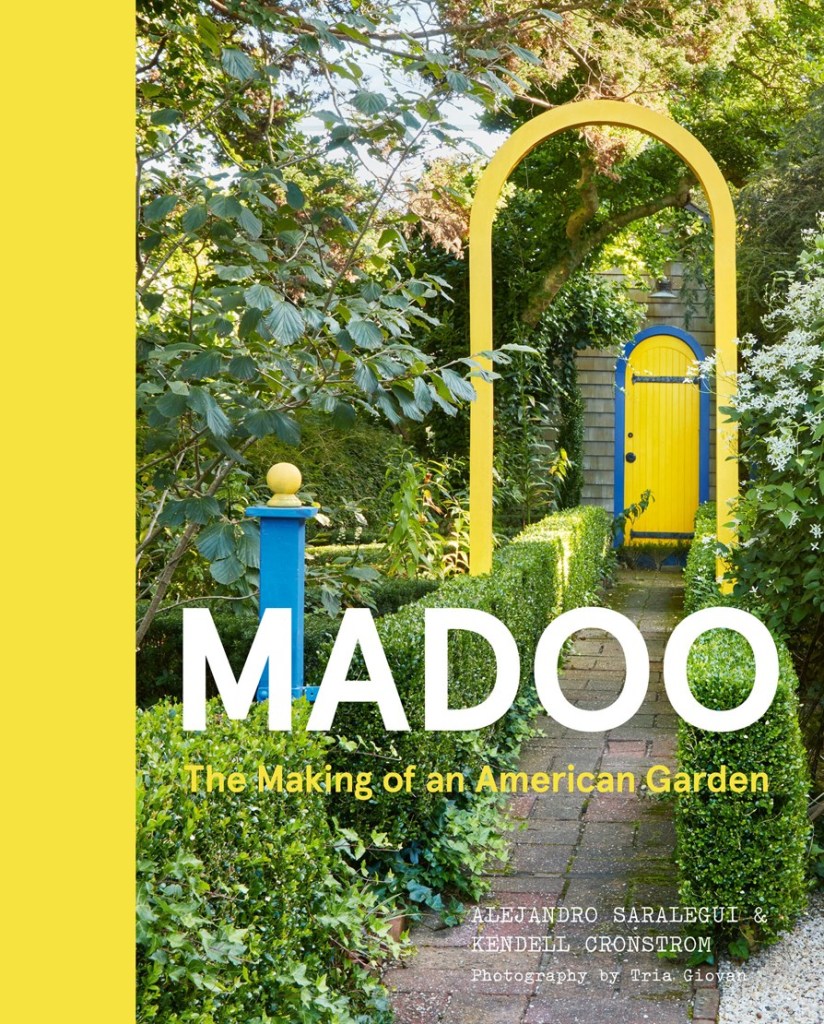
credit Timber Press

