On 26 June 2026, the Muséum national d’Histoire naturelle, in Paris, France, officially opened its ambitious new destination at the Arboretum of Versailles-Chèvreloup: the Fuchsia Garden and Glasshouse, a permanent display dedicated to one of the world’s most diverse and beloved ornamental plant genera. Bringing together botanical research, horticultural excellence and landscape design, the project reveals to the public what has long been one of France’s most important living plant collections.
Developed over more than five decades, the Museum’s fuchsia collection is today the largest in France and among the most significant worldwide. Until now, it has remained largely inaccessible outside specialist circles. The new garden transforms this scientific resource into an immersive visitor experience while reinforcing its role as a reference collection for conservation, research and education.
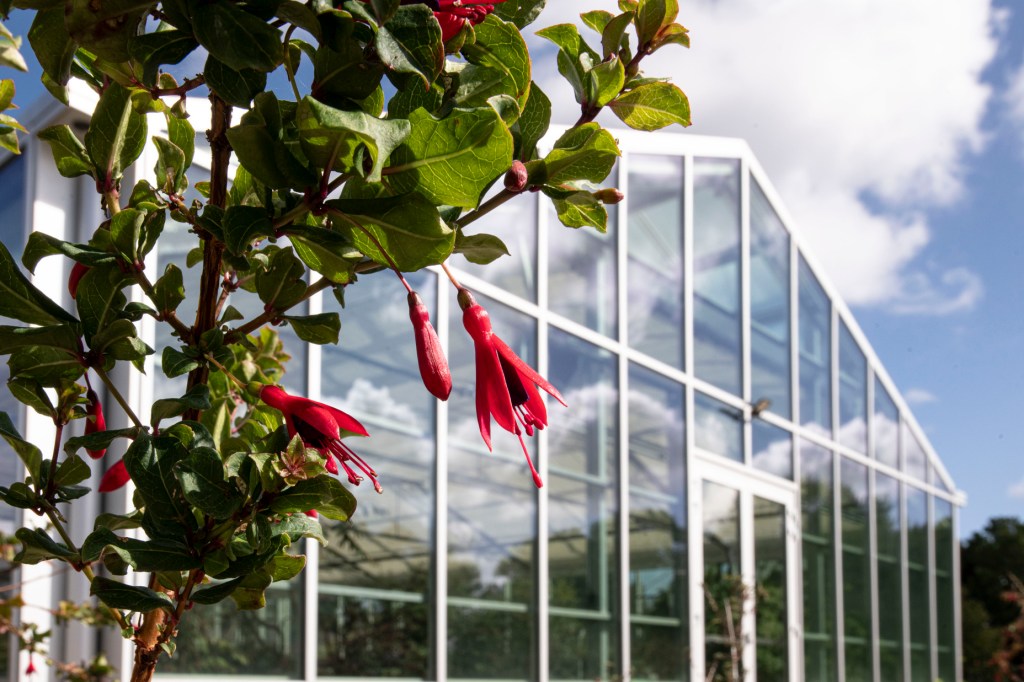
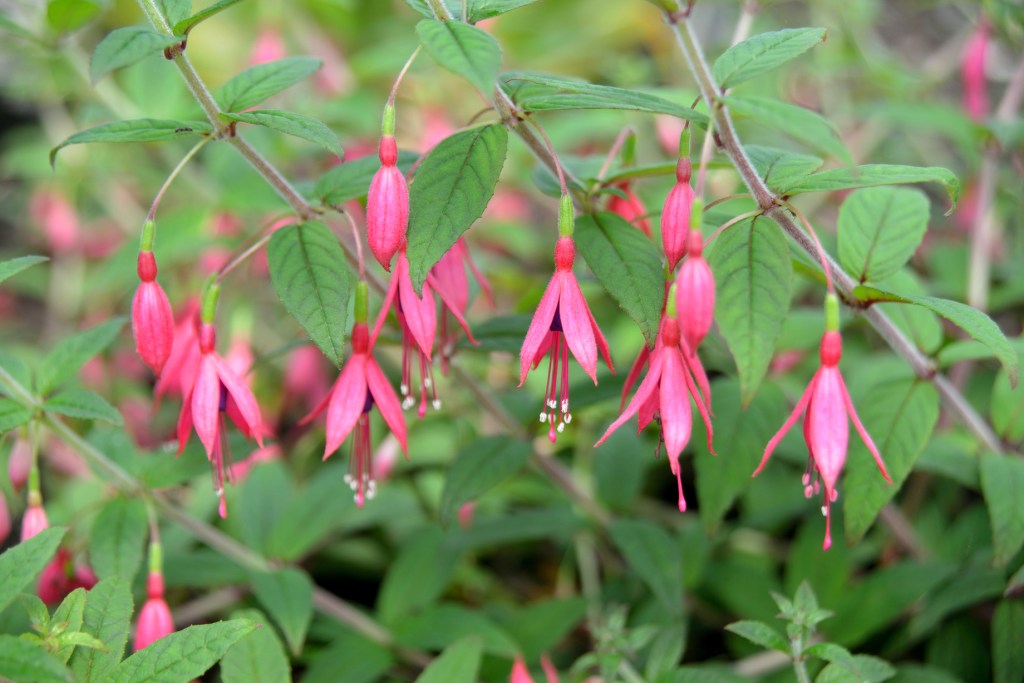
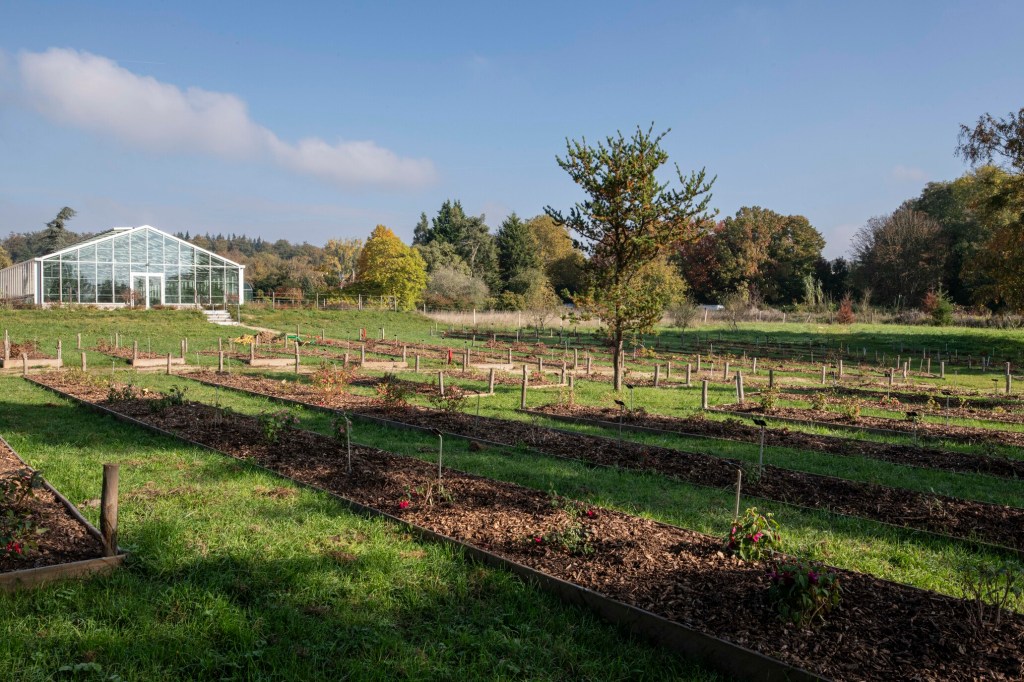
The development covers approximately 1.5 hectares and features more than 1,000 individual plants representing around 450 species and cultivars. The visitor journey begins in a 1,000-square-metre outdoor garden, where hardy ornamental fuchsias are displayed chronologically, illustrating nearly two centuries of breeding history. Historic cultivars, many with delicate, understated flowers, gradually give way to modern hybrids selected for their remarkable colours, floral forms and improved horticultural performance.
Complementing the outdoor displays is a 400-square-metre biogeographical glasshouse devoted to wild species. Here, visitors travel through the native habitats of the genus, from the Andes and Patagonia to Brazil, Central America, the Pacific islands and New Zealand. Organised according to geographic origin and botanical relationships, the collection highlights the extraordinary diversity of Fuchsia and explores its evolutionary adaptations, including specialised pollination strategies involving hummingbirds and insects.
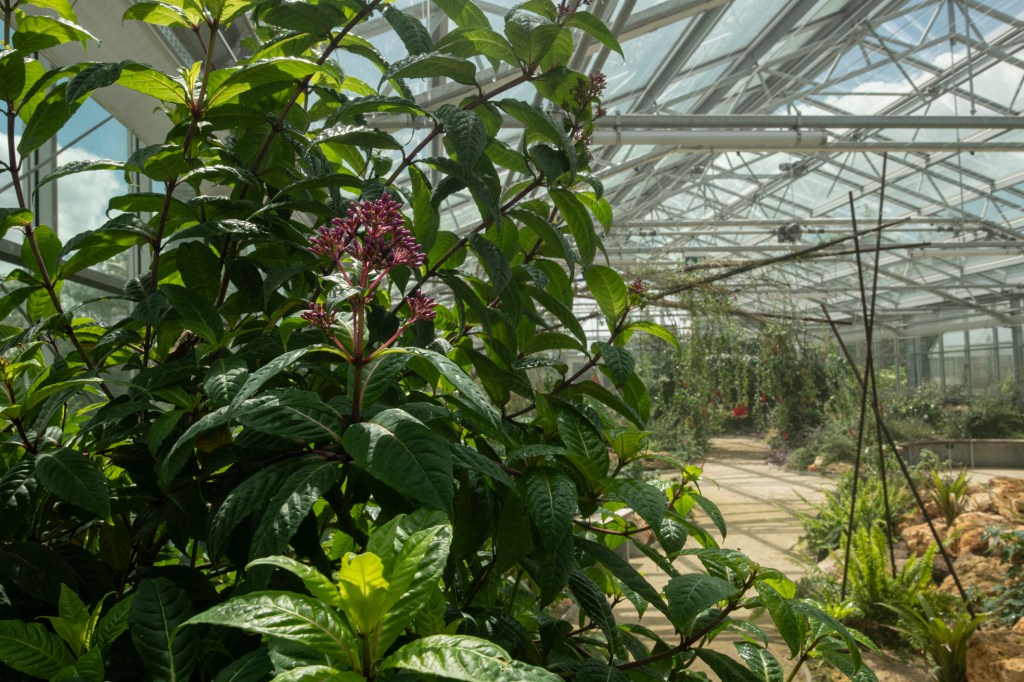
credit MNHN A.Iatzoura
Beyond its horticultural appeal, the project reflects the Museum’s wider commitment to plant conservation and scientific research. By making this internationally important collection publicly accessible, the institution aims to strengthen research activities, expand educational programmes and raise awareness of plant diversity and the importance of conserving living collections in botanical gardens.
Sustainability has also played a central role in the design. The new glasshouse incorporates advanced climate-control systems, including automated shading, ventilation, misting and rainwater harvesting. Throughout the garden, environmentally responsible management practices have been adopted, from the reuse of green waste as mulch to the careful selection of materials and energy-efficient infrastructure.
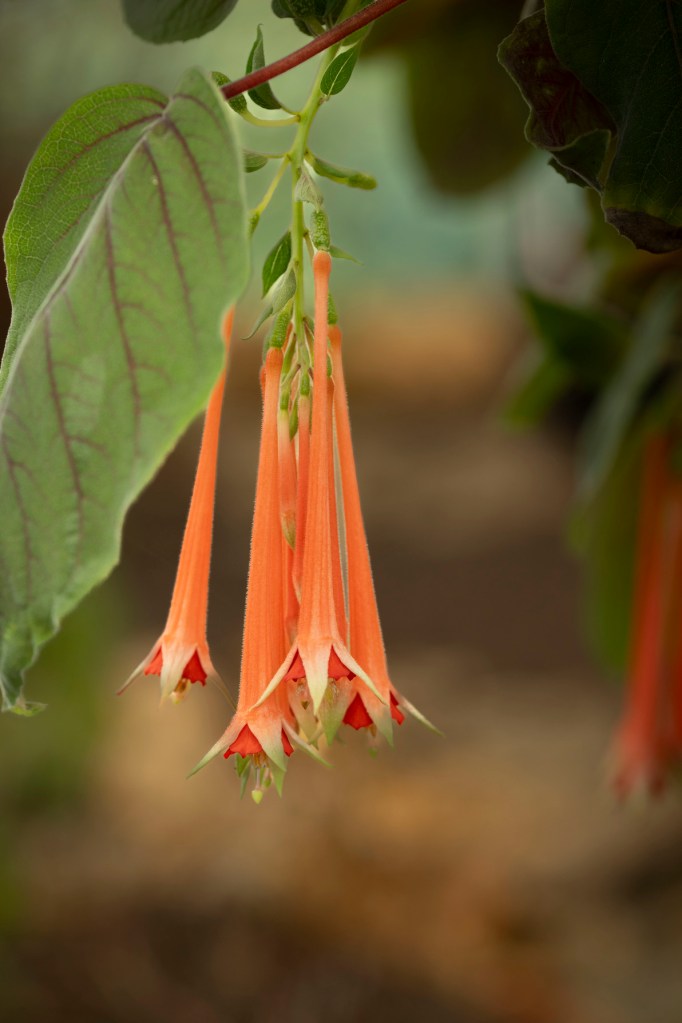
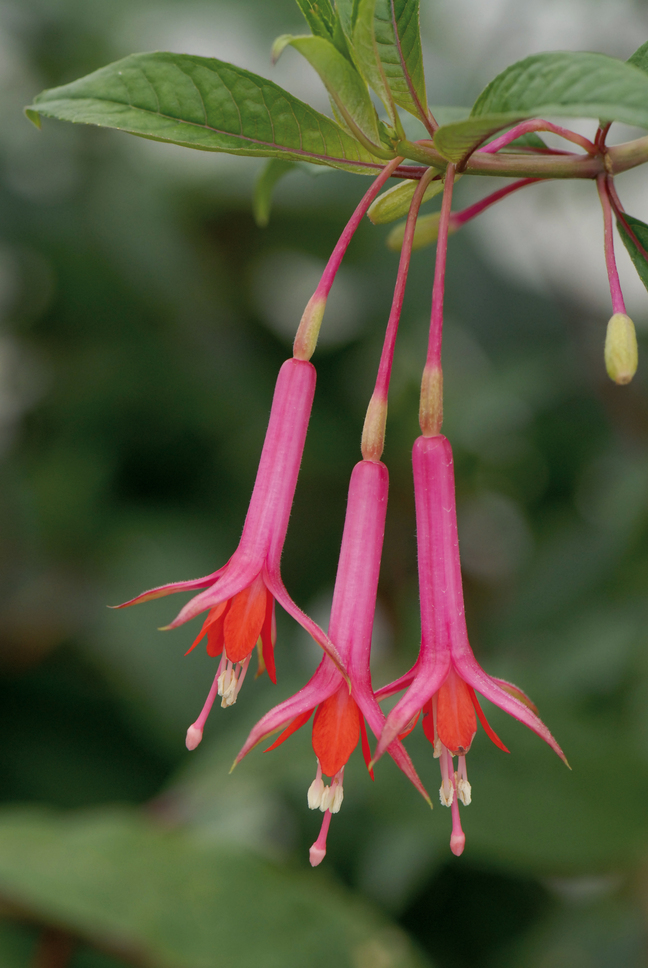
credit MNHN
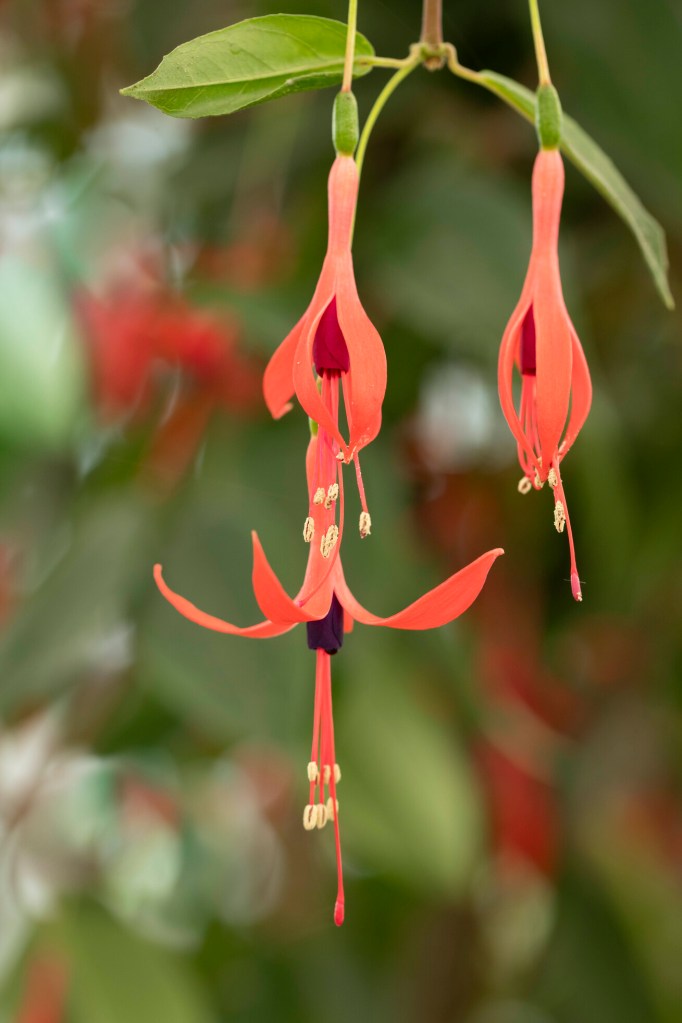
The landscape itself has been conceived as an integral part of the visitor experience. Carefully woven into the existing scenery of the Versailles-Chèvreloup Arboretum, the new garden creates a seamless transition between meadows, existing collections and surrounding landscapes. The result is a destination that appeals equally to professional horticulturists, botanists, landscape designers and the wider public.
At a time when botanical gardens are increasingly recognised as key institutions for biodiversity conservation and environmental education, the Fuchsia Garden represents far more than a display of ornamental plants. It demonstrates how living collections can serve simultaneously as centres of scientific knowledge, horticultural innovation and public engagement, while celebrating the remarkable diversity of one of the horticultural world’s most iconic genera.

