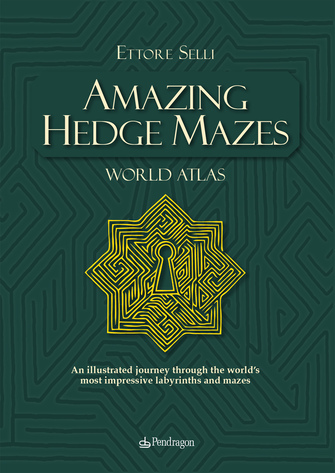
Few garden features have captured the human imagination as enduringly as the hedge maze. Combining horticultural artistry, architectural precision and symbolic meaning, these living structures have fascinated visitors for centuries. In Amazing Hedge Mazes. World Atlas, Italian explorer and maze designer Ettore Selli offers what is arguably the most comprehensive survey ever devoted to this remarkable form of green heritage.
More than a coffee-table book, published by Pendragon, this richly illustrated volume, featuring more than 500 documented hedge mazes is both a reference work and an invitation to travel: each maze is accompanied by a detailed profile including the plant species used, year of creation, dimensions, and geographical coordinates. Selli guides readers across Europe, Asia, Africa, the Americas and Oceania, presenting hundreds of hedge mazes that vary enormously in age, style and cultural significance. From the celebrated labyrinths of historic estates to little-known botanical treasures hidden in remote parks, every example contributes to a fascinating global narrative.
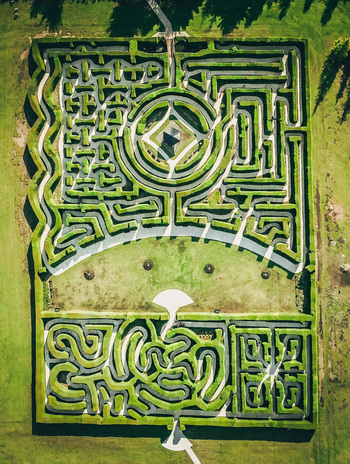
LABERINTO PATAGONIA
credit Pendragon
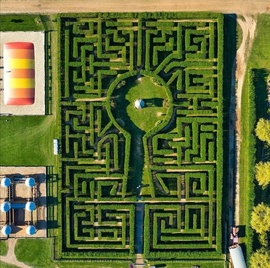
HARBES FAMILY FARM
credit Pendragon

LABERINTO SAN FERNANDO
credit Pendragon
One of the book’s greatest strengths lies in its interdisciplinary approach. Rather than treating hedge mazes merely as ornamental garden features, Selli examines them as living intersections of landscape design, history, mathematics, mythology and human psychology. Each maze tells a different story, of royal ambition, religious symbolism, artistic creativity or simple delight, and together they reveal how a single garden element has evolved across continents while retaining its universal appeal.
The visual presentation is equally impressive. High-quality photographs, carefully designed maps and detailed plans accompany concise historical and architectural commentary, making the volume accessible to both specialists and general readers. The balance between text and imagery allows readers to appreciate not only the aesthetic beauty of each maze but also the complexity of its design and its relationship with the surrounding landscape.
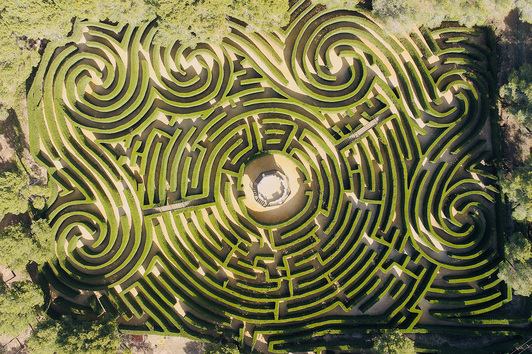
PARQUE TENTEGORRA
credit Pendragon
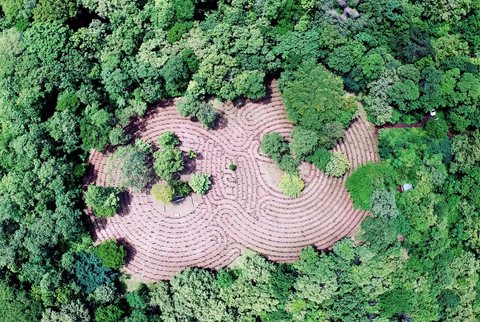
LA SENDA
credit Pendragon
Readers familiar with Selli’s previous work will recognise his passion for documenting this unique botanical heritage. His background in environmental engineering and his practical experience as a designer of hedge, turf, corn and sunflower mazes give him an unusually broad perspective. He understands these spaces not simply as historical curiosities but as dynamic, living creations that require botanical expertise, careful maintenance and long-term conservation. This practical knowledge enriches the narrative throughout the book.
Particularly noteworthy is the author’s attention to the diversity of plant material and landscape contexts. While many readers naturally associate hedge mazes with yew or boxwood, the atlas demonstrates the remarkable variety of species and horticultural solutions employed around the world. Climatic conditions, regional traditions and contemporary design philosophies all influence how these green labyrinths are conceived and maintained, highlighting the adaptability of this ancient garden form.
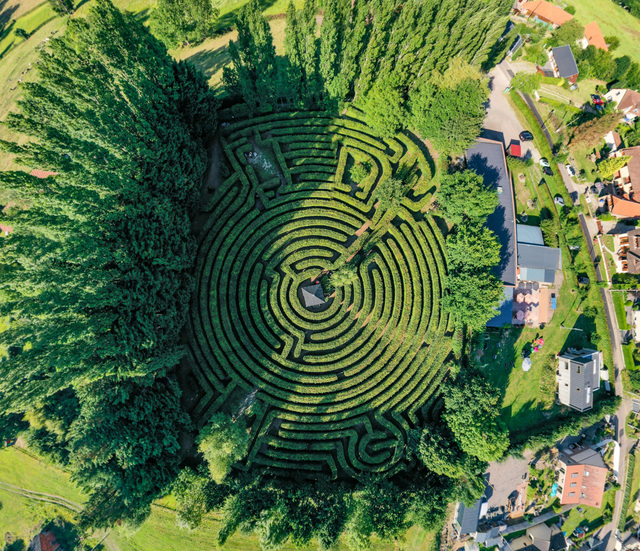
ARTMAZIA
credit Pendragon
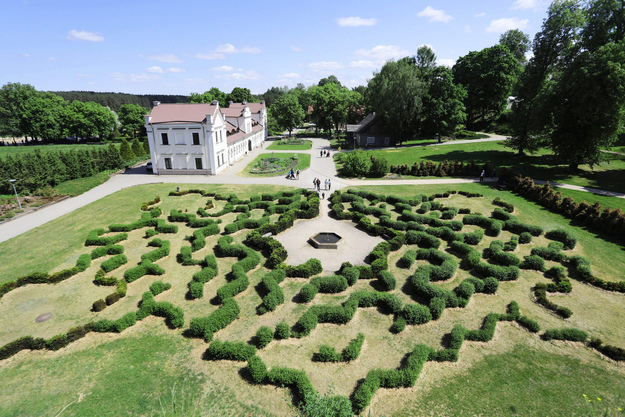
UNIVERSITY BOTANICAL GARDENS
credit Pendragon

FREDERIKSOORD
credit Pendragon
For horticulturists, landscape architects and garden historians, the book represents an invaluable source of inspiration and documentation. At the same time, travellers, photographers and anyone interested in cultural landscapes will find themselves drawn into an extraordinary journey that extends far beyond traditional garden literature. The atlas encourages readers to view hedge mazes not simply as attractions to visit but as living monuments deserving recognition and preservation.
Amazing Hedge Mazes. World Atlas succeeds in celebrating one of the world’s most distinctive forms of garden art with scholarly rigour and genuine enthusiasm. Beautifully produced and meticulously researched, it establishes itself as an essential contribution to the literature of gardens and landscape heritage. It is a volume that deserves a place in the library of every serious garden enthusiast and will undoubtedly inspire future explorations of these extraordinary living labyrinths.