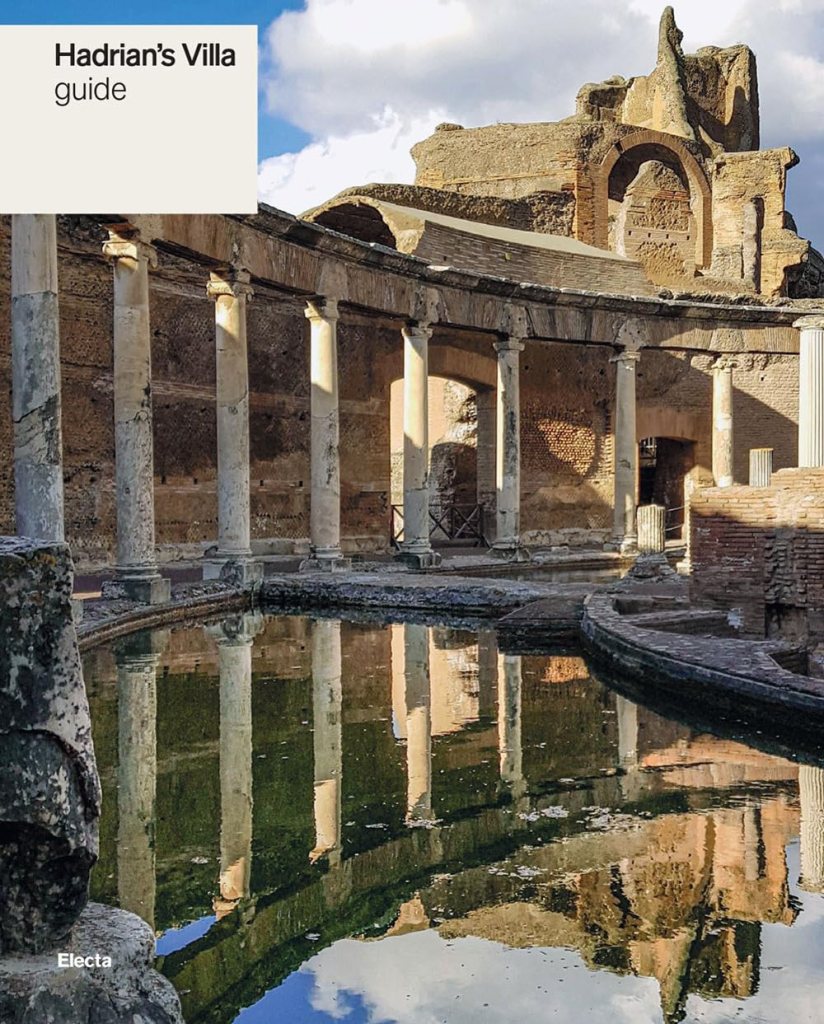
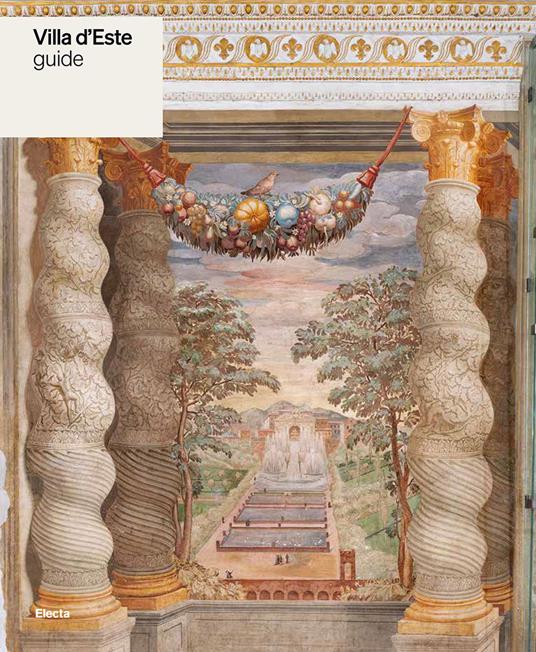
With the publication of a new guide to Villa d’Este and a fully updated edition of its guide to Hadrian’s Villa, in Tivoli, Italy both presented in a completely redesigned graphic format, Electa Publisher reaffirms the central role it has long played in publishing for Italy’s cultural heritage. Available in both Italian and English, these two volumes are far more than revised guidebooks: they embody a clear editorial vision of what a museum guide should be, an authoritative companion designed to enrich the visitor’s experience before, during, and long after the visit.
credit lapping
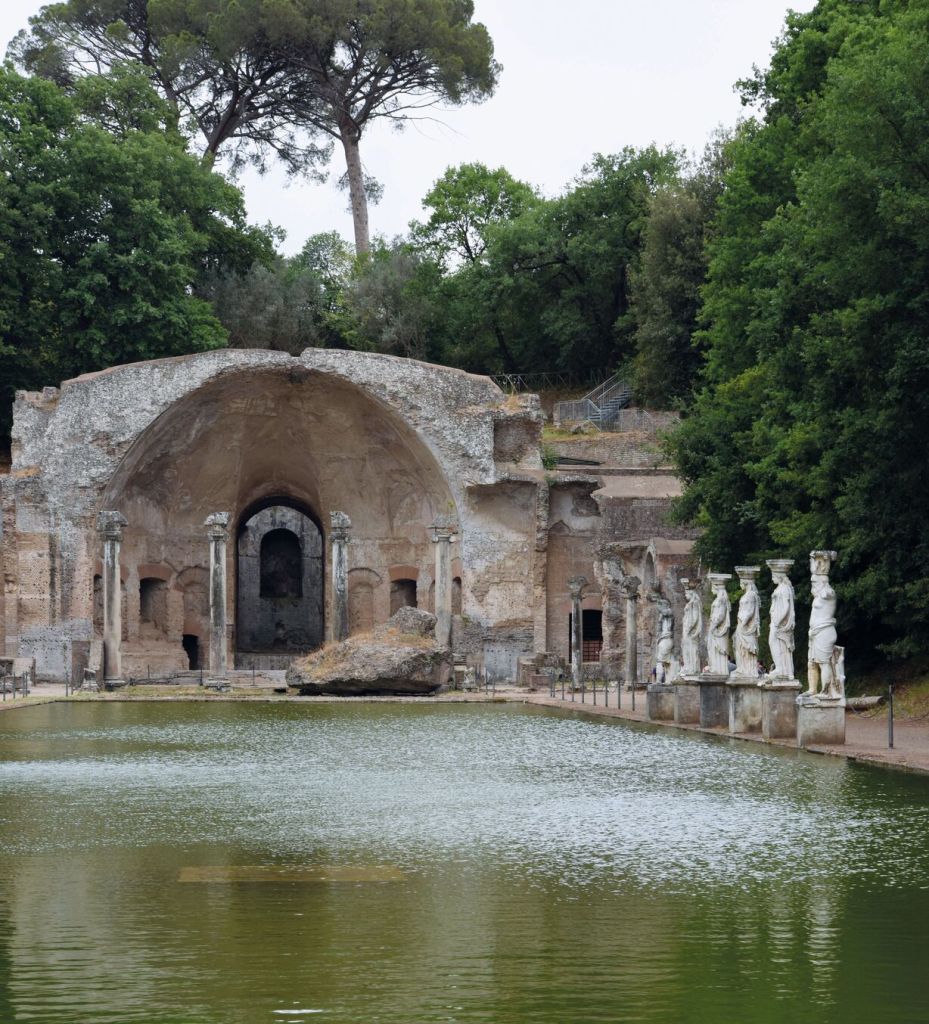
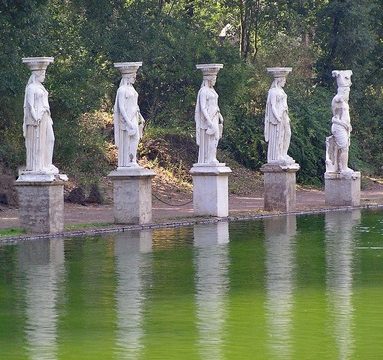
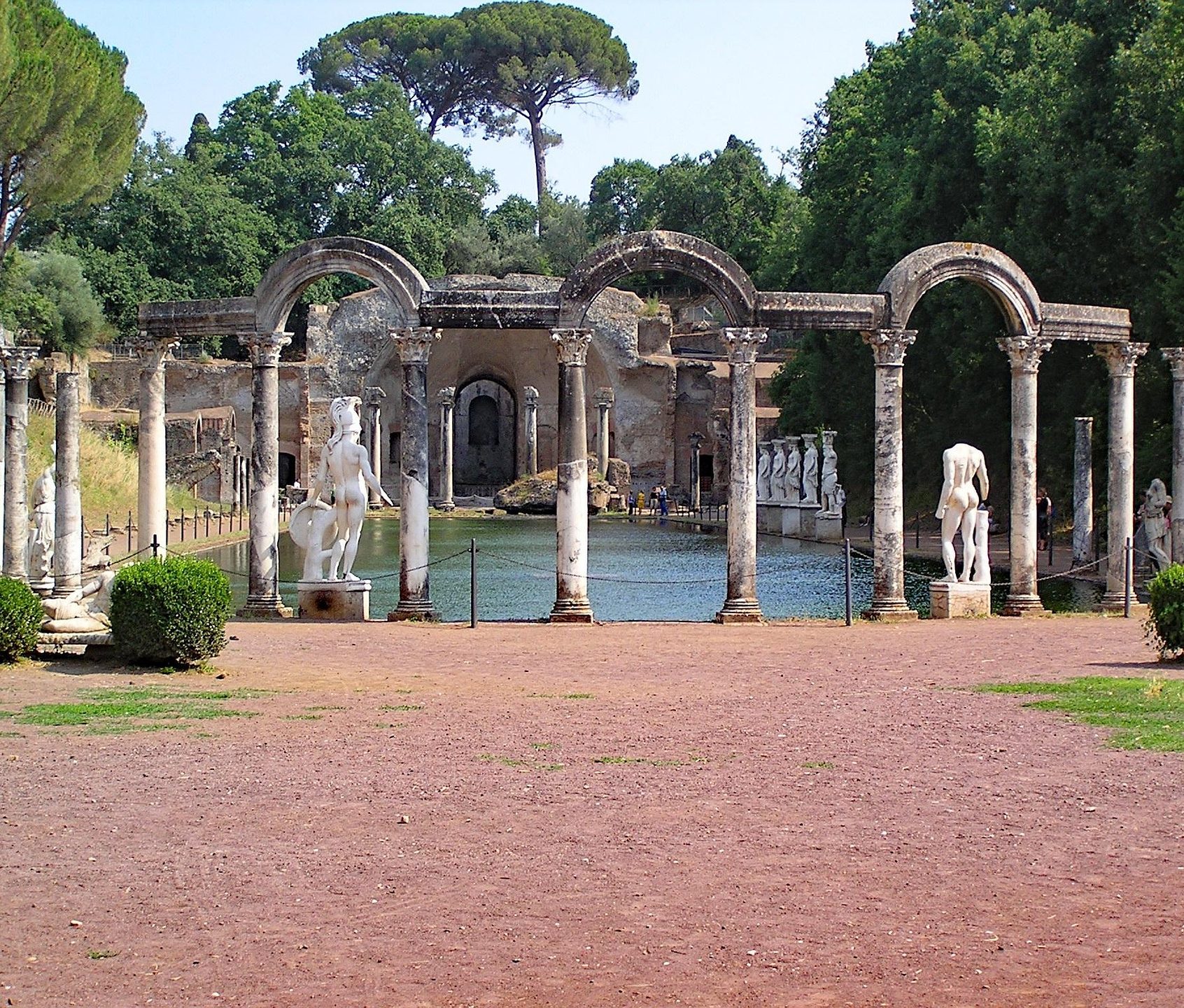
Both UNESCO World Heritage Sites are explored through an accessible yet scholarly approach, combining carefully structured itineraries, thematic essays, clear site plans, and extensive photographic documentation. Rather than simply helping visitors find their way, the guides provide the historical, artistic, and architectural context needed to understand the remarkable complexity of two monuments that, although only a few kilometres apart, represent two defining moments in the history of Western civilisation.
Written by Benedetta Adembri, the guide to Hadrian’s Villa leads readers through one of the largest archaeological complexes of the Roman world, connecting its principal monuments with Emperor Hadrian’s ambitious political and cultural project. Historical interpretation is seamlessly integrated with architectural and landscape analysis, while photographs and updated plans help visitors navigate a site whose extraordinary scale can often prove overwhelming.
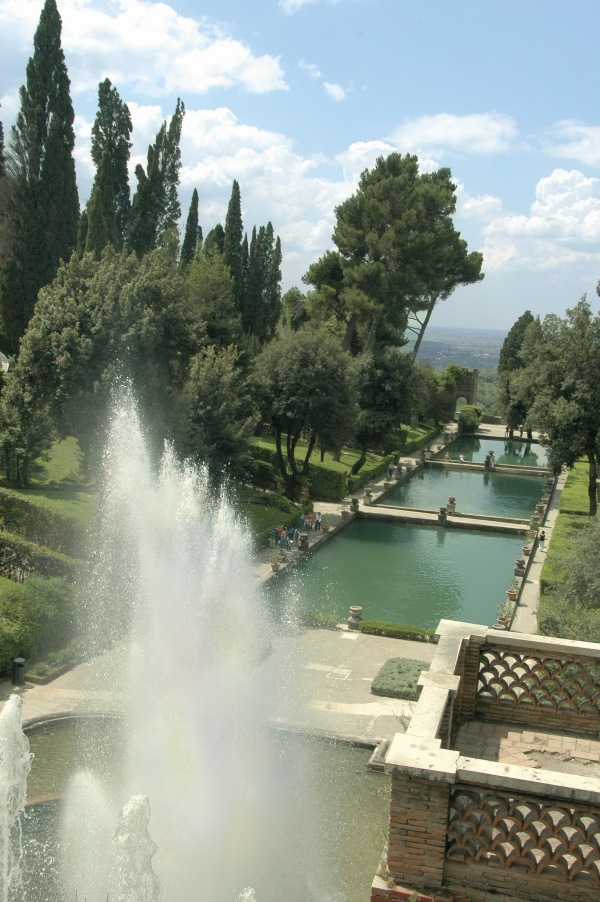
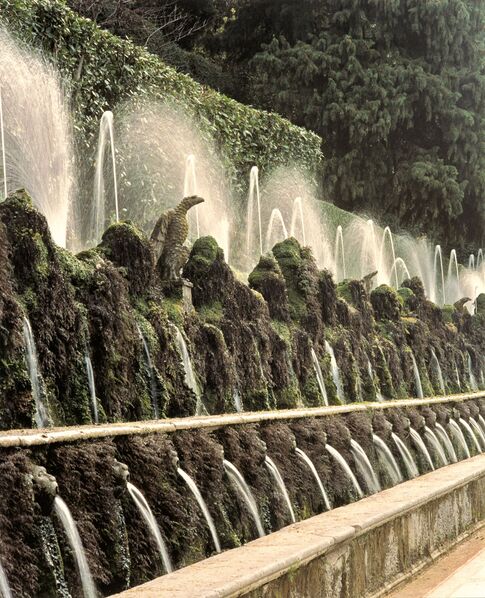
The new guide to Villa d’Este, edited by Davide Bartolini and Sara Tarissi de Jocobis, offers an equally comprehensive reading of the entire estate. It explores not only the celebrated gardens, with their sophisticated hydraulic system and world-famous fountains, but also the richly decorated interiors of the palace. The Cardinal’s apartments, ceremonial rooms, fresco cycles, and iconographic programme are presented alongside the gardens, revealing the close dialogue between architecture, decoration, and landscape. This balanced treatment of interiors and exteriors is one of the book’s greatest strengths, preventing Villa d’Este from being reduced to its spectacular fountains alone.
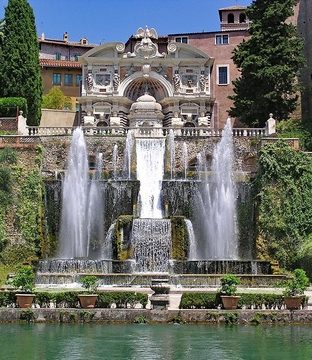
credit lapping
Together, the two publications also reflect a broader editorial strategy. Distributed not only through the bookshops of the two Tivoli sites but also in bookstores and major online retailers, they form part of Electa’s wider commitment to developing site-specific publishing programmes. Alongside official guides and exhibition catalogues, the publisher curates carefully selected books that deepen visitors’ understanding of each site’s history and identity. The same philosophy informs Electa’s merchandising, which places increasing emphasis on high-quality materials, environmental sustainability, traceable Made in Italy production.
More than portable guidebooks, these volumes demonstrate Electa’s enduring belief that publishing remains an integral part of the museum experience. At a time when cultural information is increasingly fragmented across digital platforms, these carefully researched and elegantly designed books offer something more lasting: a thoughtful and authoritative way to engage with two of Italy’s most extraordinary cultural landmarks.