What do plants tell us about ourselves? And how much of human history would be impossible to understand without them? These are some of the questions at the heart of Piante, noi e loro. Biologia, simboli, sentimenti di una relazione speciale, (Plants, Us and Them: Biology, Symbols and Emotions in a Special Relationship) the new italian book by Paola Bonfante, published by Il Mulino. A plant biologist and Professor Emeritus at the University of Turin, Bonfante takes the reader on an extraordinary journey from mythology to biology, from art and food to ecology, energy and war, revealing the many dimensions of our relationship with the plant world.
The journey begins with metamorphosis. In classical mythology, human beings can be transformed into plants, while plants become repositories of human stories and emotions. The myth of Apollo and Daphne is perhaps the most powerful example. Pursued by Apollo, Daphne is transformed into a laurel tree, a moment immortalised by Gian Lorenzo Bernini and interpreted centuries later by Giambattista Tiepolo. The same myth returns in contemporary art in Anselm Kiefer’s Daphne. Seen together, these works demonstrate how the transformation of human beings into plants has remained a powerful cultural metaphor across the centuries.
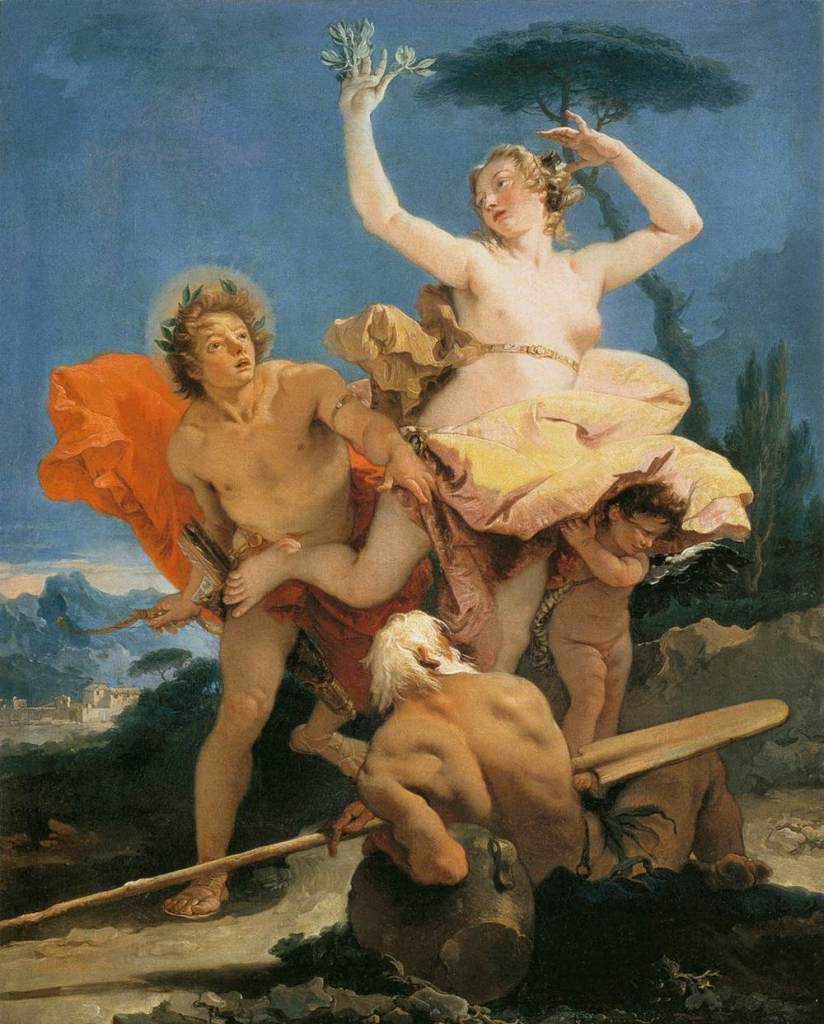
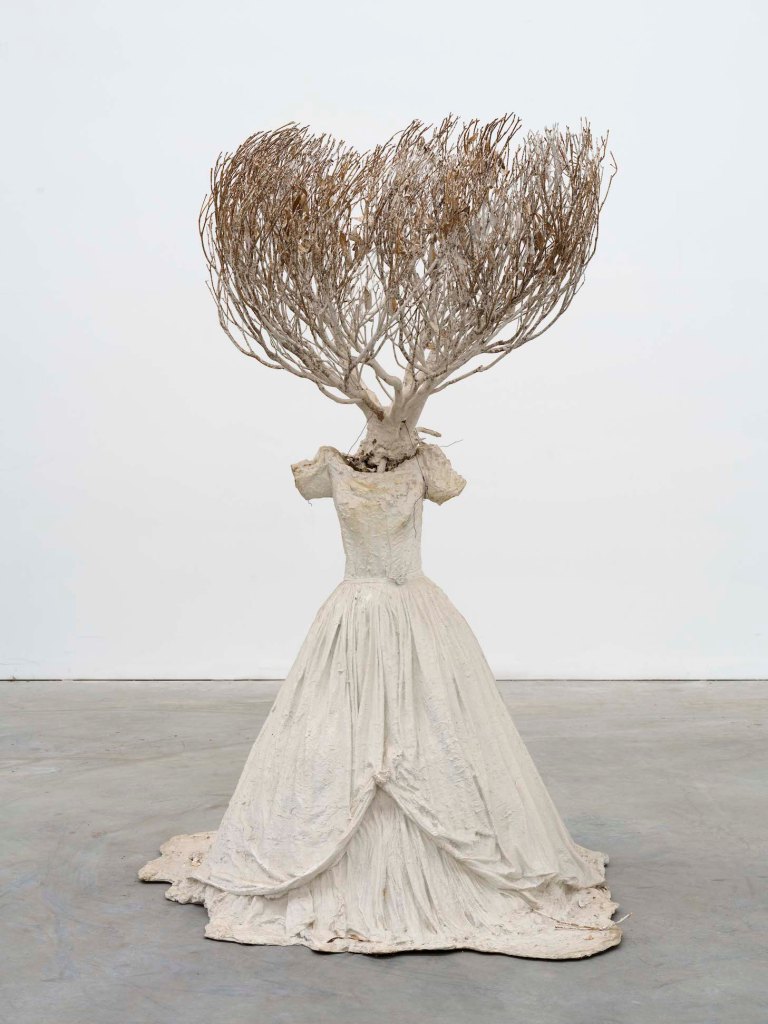
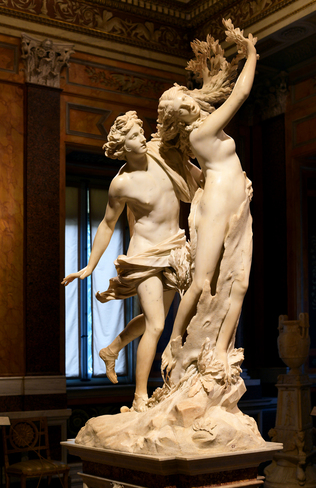
credit Architas
From myth, Bonfante moves into biology and one of the most fascinating and debated questions of our time: can plants be considered intelligent or sentient? Rather than simply embracing fashionable interpretations, the author examines what we actually mean by intelligence, perception and communication. Plants may not possess a nervous system or a brain, yet they have extraordinary capacities to perceive environmental changes, respond to stimuli and interact with other organisms. The challenge is to recognise these abilities without simply projecting human characteristics onto plants.
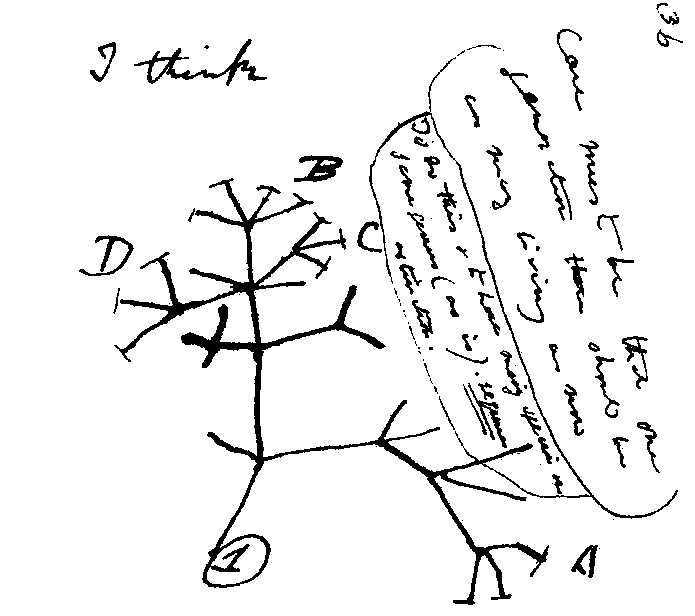
The book then turns to another fundamental image: the tree as a representation of life itself. Charles Darwin’s Tree of Life offers a powerful visual metaphor for evolution and the branching relationships between living organisms. The tree is no longer simply a feature of the landscape, but becomes a way of understanding our shared biological history.
This evolutionary perspective naturally leads to biodiversity, cooperation and competition. Bonfante explores the extraordinary relationships between plants and microorganisms, including the symbiosis between plants and fungi, while also examining the popular concept of the Wood Wide Web. The metaphor may be fascinating, but the author encourages us to distinguish scientific evidence from the more romantic interpretations that have developed around it.
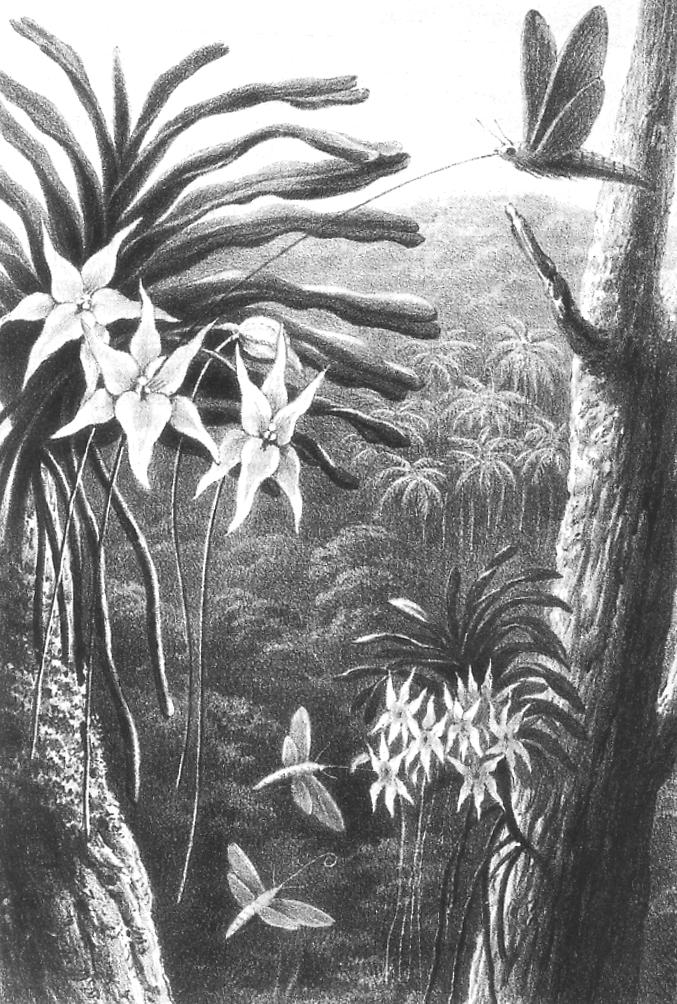
Sphinx Moth Fertilizing Angraecum Sesquipedale in the Forests of Madagascar
credit Alfred Russel Wallace
credit Jeffdelonge
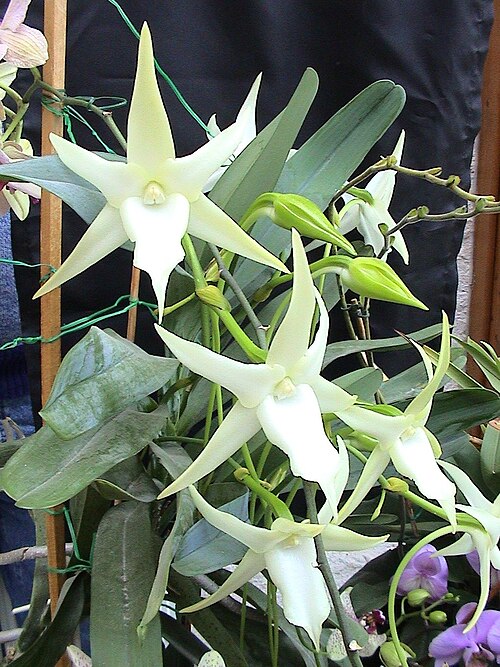
One of the most remarkable examples of plant–animal interaction is the orchid Angraecum sesquipedale. Its extraordinarily long nectar spur led Darwin to hypothesise the existence of a pollinator with an equally long proboscis. The subsequent discovery of the moth Xanthopan provided one of the most fascinating examples of coevolution: two very different organisms shaped over time by their ecological relationship. The orchid and its pollinator demonstrate just how deeply interconnected the living world can be.
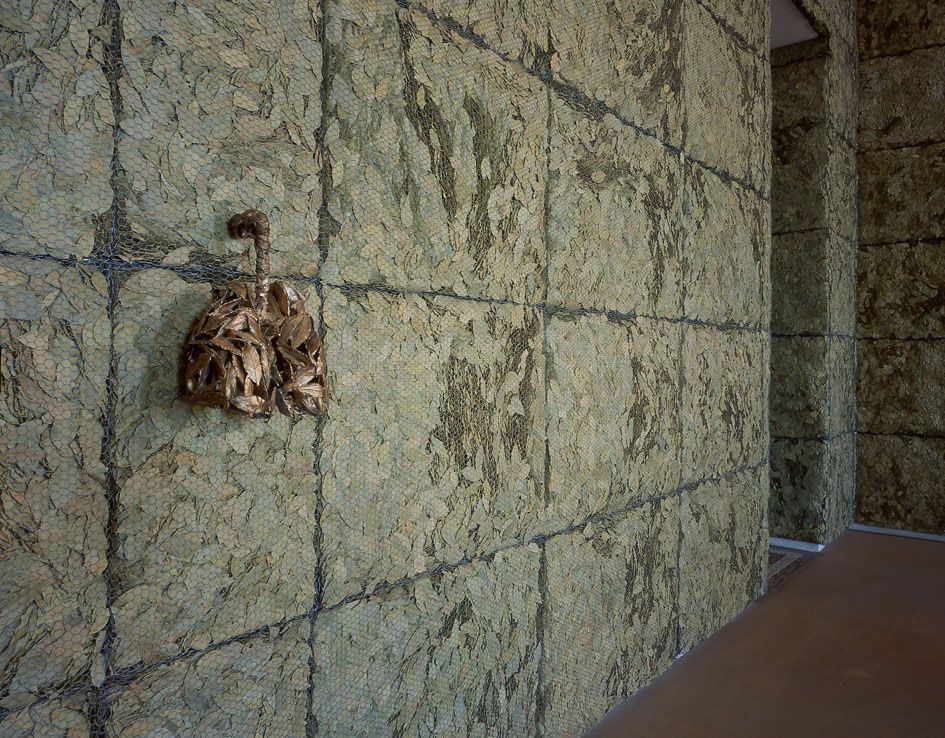
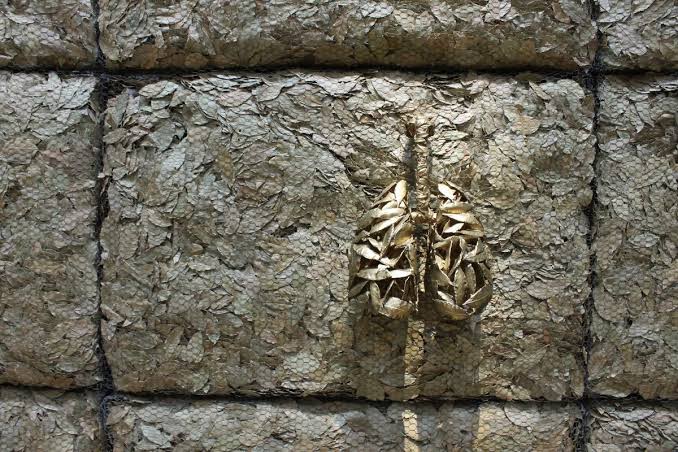
Art once again offers another way of understanding this relationship. In Respirare l’ombra (To Breathe the Shadow) by Giuseppe Penone, leaves, breath, air and the human body suggest a reciprocal exchange between people and trees. The work invites us to reconsider the apparently clear boundary between ourselves and the plant world. We do not simply observe plants: we breathe an atmosphere to whose creation they contribute.
Bonfante then broadens the narrative towards food, the Green Revolution, art, ecology, ecofeminism, energy and new technologies, including Genome Editing. These themes demonstrate that plants are not simply part of nature; they are deeply embedded in economics, culture, technological development and the ways in which human societies have transformed the planet.
The final chapter introduces an unexpected and disturbing turn, examining plants in times of conflict. Forests, crops and landscapes are not merely passive backdrops to human wars. They can become targets, resources and weapons, while their destruction leaves ecological and cultural consequences that may persist long after the fighting has ended.
The strength of Piante, noi e loro lies precisely in this extraordinary breadth. Following the structure of the book is like moving through a series of doors: from myth to intelligence, from evolution to symbiosis, from food and art to ecology and technology, and finally to conflict. Each passage reveals another dimension of our relationship with plants. From Daphne to Darwin, from orchids to forests, from Penone’s breathing leaves to Kiefer’s contemporary reinterpretation of metamorphosis, plants emerge not as a silent backdrop, but as protagonists of a shared history.
Ultimately, this is a book about plants that invites the readers to reconsider ourselves: our origins, our culture, our dependence on the plant world and the responsibility we have towards the planet we share with it.
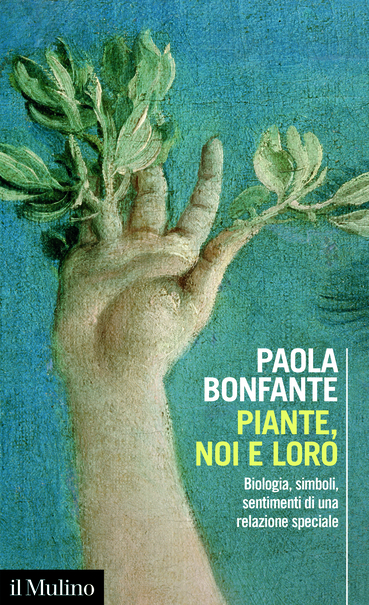
credit Il Mulino

