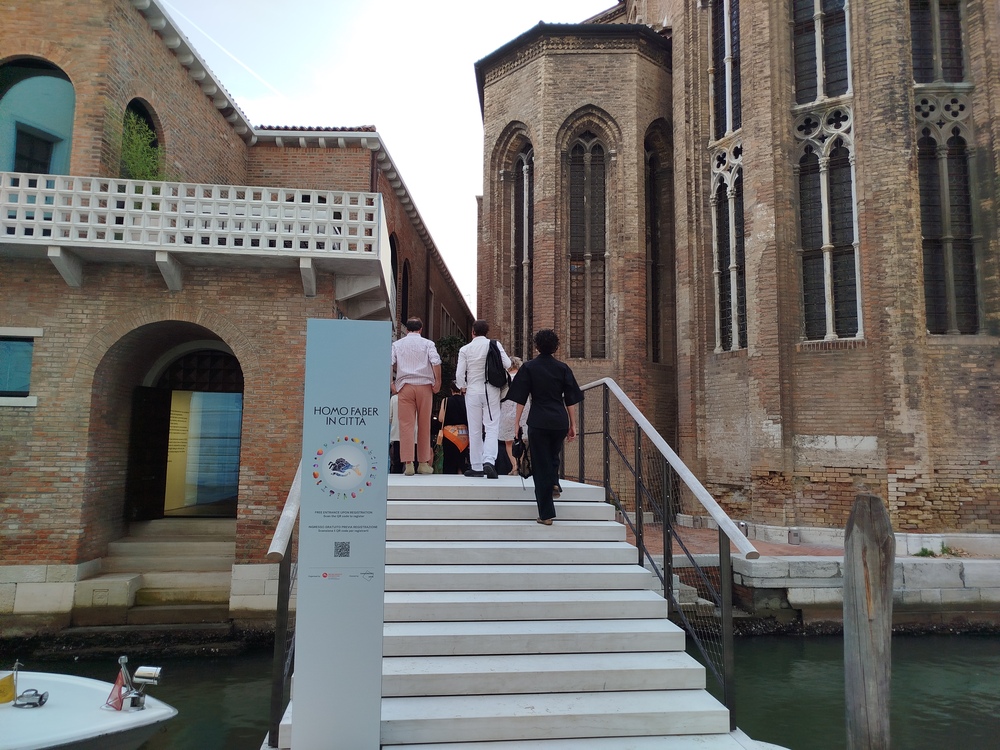
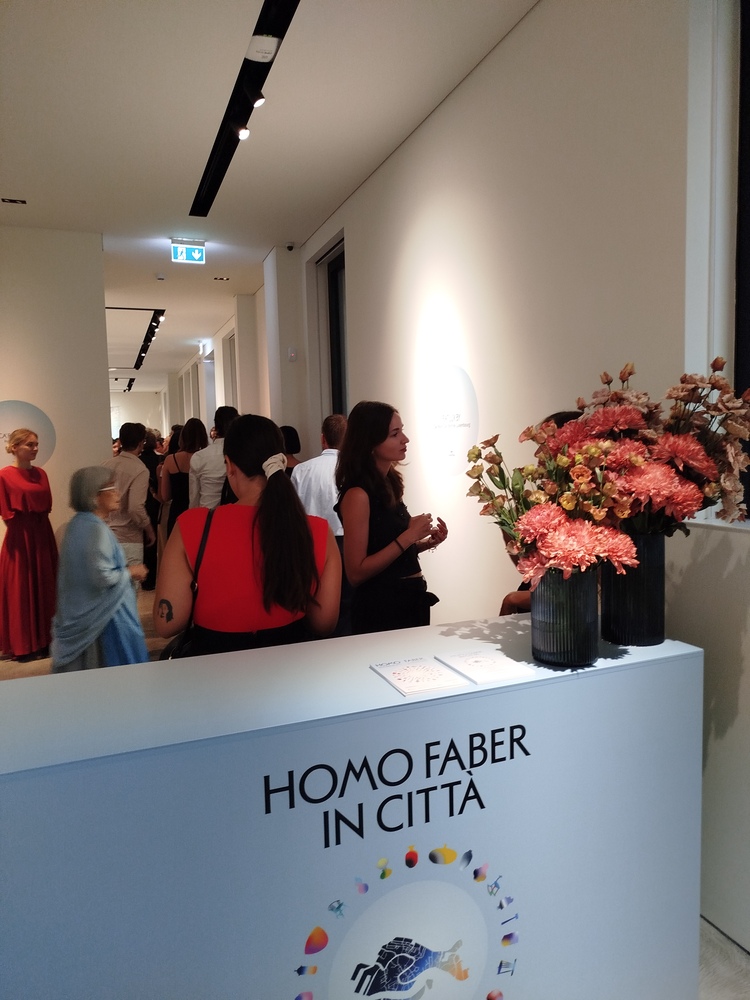
There is a particular kind of beauty in the moment when light falls upon a handmade object and suddenly reveals what cannot be seen at first glance: the texture of a surface, the irregularity of a material, the trace of a gesture. At Fiat Lux, the new exhibition by De Mains De Maîtres Luxembourg at Casa Sanlorenzo in Venice, Italy light becomes precisely this: a means of discovery.
Presented from 1 to 30 September 2026 in the context of Homo Faber 2026, in Venice, Italy, the exhibition marks the first international milestone in the history of De Mains De Maîtres, which celebrates its tenth anniversary this year. Curated by Jean-Marc Dimanche, Fiat Lux brings together around thirty master artisans and almost fifty works in a 150-square-metre contemporary cabinet of curiosities.
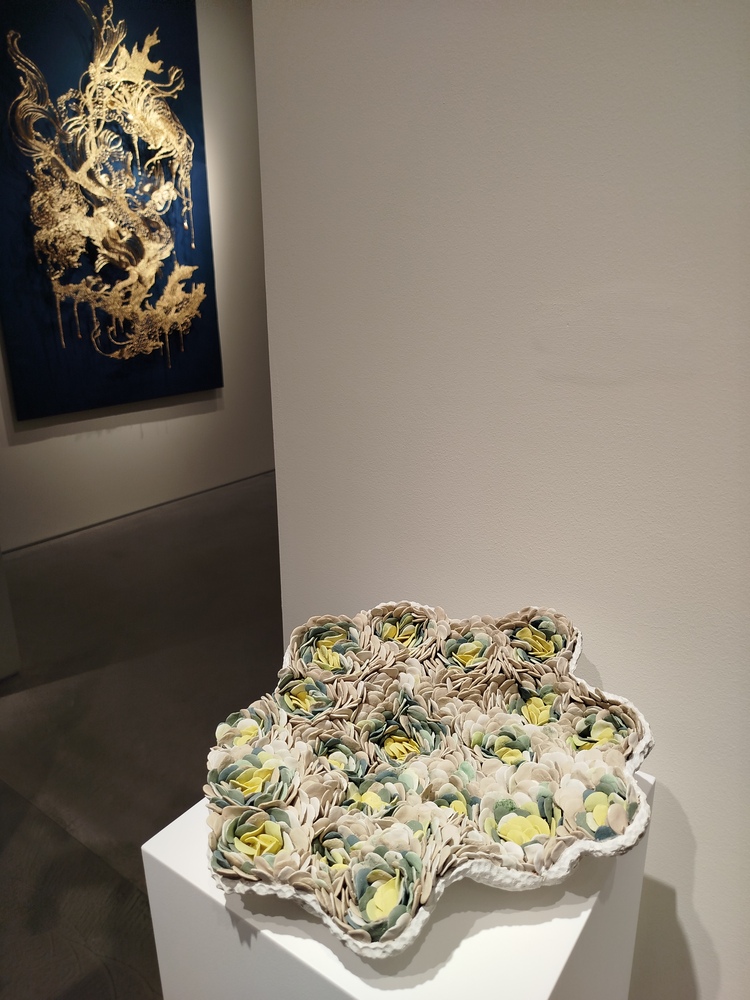
Bloom, bloom
Yet among the many interpretations of light, it is the dialogue with nature that gives some of the exhibition’s works their particular resonance.
Botanical forms appear not as literal reproductions of nature, but as something translated through the language of craft. In Dressed in leaves “Fleurs”, Anne Bauler & Denise Schumann transform the vocabulary of foliage and flowers into a tactile exploration of textile and form. Leaves become more than botanical motifs: they suggest movement, fragility and the relationship between the natural and the human body.
A different interpretation of nature emerges in Megha Goenka’s Ritusamhara – The Pageant of the Season. The title evokes the cyclical passage of the seasons, bringing to the exhibition a sense of rhythm and transformation. Here, the natural world is perceived not as a static image, but as an ongoing process, an idea particularly appropriate to an exhibition concerned with the slow passage of time within handmade creation.
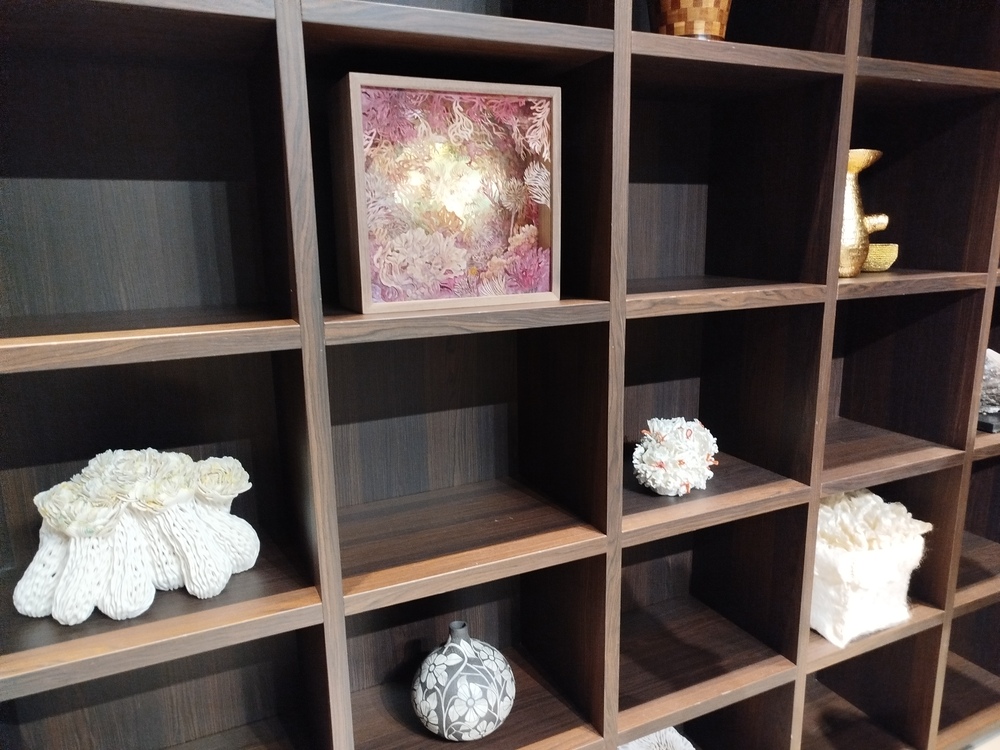
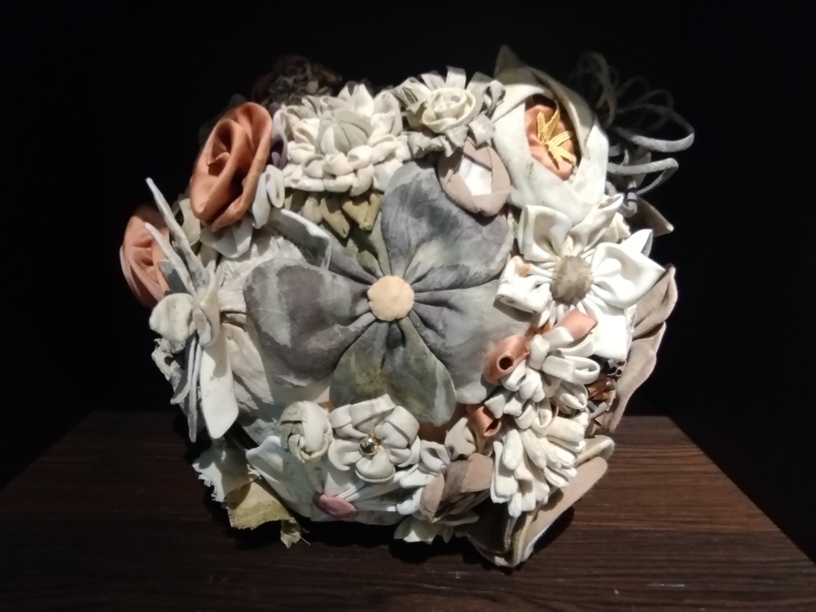
The language of flowering becomes explicit in Laure Mackel’s La Dentelle en floraison. The work transforms the idea of lace in bloom through papier-mâché, creating a dialogue between delicacy and materiality. The flower is not simply depicted; it is reinterpreted through the physical possibilities of the handmade.
Among the works presented, Letizia Romanini’s Taraxacum offers perhaps the most direct botanical connection. Referring to the dandelion, the work brings attention to a plant that is both humble and remarkably resilient. Romanini’s practice in straw marquetry adds another layer to this relationship: a plant-derived material is employed to evoke the structure and poetry of the botanical world.
The connection between flower and illumination becomes almost literal in Malou Tibor’s Lumen Floris. Its title, “light of the flower”, encapsulates the central poetic tension of Fiat Lux: the encounter between something organic and something intangible. Through ceramics, light interacts with surface, volume and shadow, turning the object into an evolving visual experience.
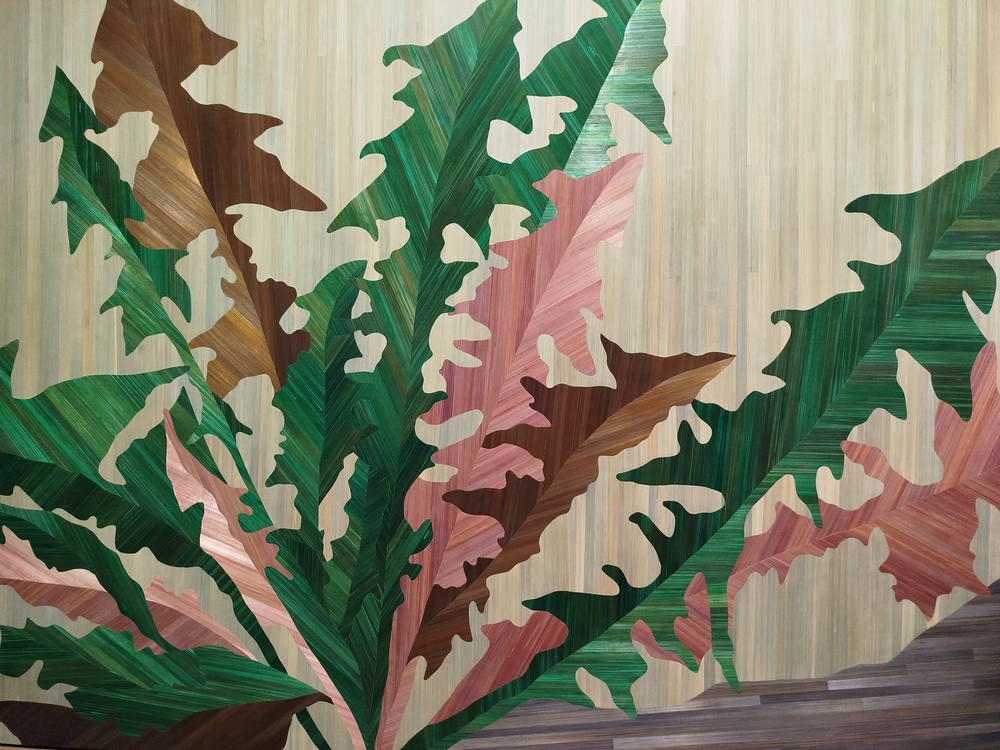
Taraxacum (detail)
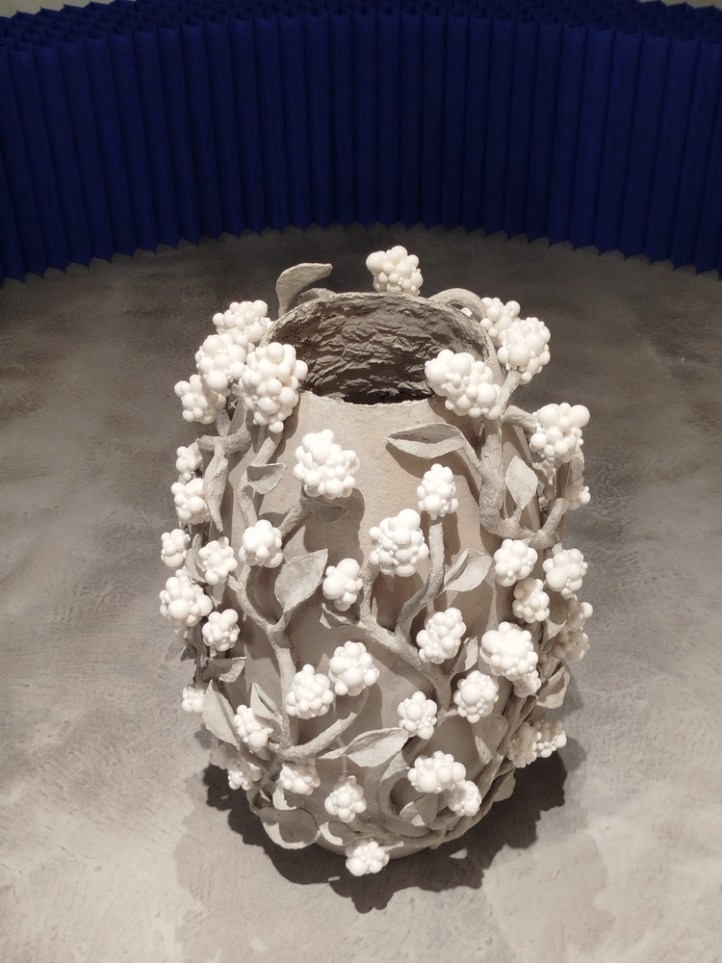
La Dentelle en floraison
The theme continues with Ellen van der Woude’s Bloom, bloom, whose title suggests repetition, growth and renewal. In the context of Fiat Lux, blooming becomes a metaphor for the transformation that takes place when an artisan works slowly with a material, allowing its properties to guide the final form.
What connects these works is not simply their floral imagery. It is their understanding of nature as a language of transformation. Flowers bloom, leaves unfold, seasons change; materials are shaped, fired, woven, cut and assembled. Both processes depend on time.
This is perhaps where Fiat Lux becomes particularly relevant today. In an age of automation and limitless reproduction, the handmade object embodies another form of value: individuality, imperfection and the physical presence of the maker. Light, in the exhibition’s scenography, makes these qualities visible. It reveals textures and irregularities while preserving the shadows that allow mystery to remain.
In Venice, De Mains De Maîtres Luxembourg therefore presents craftsmanship not simply as a tradition to be preserved, but as a contemporary language—one capable of engaging with design, art and the natural world. And perhaps this is the quiet strength of Fiat Lux: when light meets the handmade, even a flower can become a meditation on time.

