Where does a plant end and its community begin? This question lies at the heart of the latest research by Dutch artist Mandy den Elzen, whose practice unfolds at the intersection of art, nature and science. Combining fieldwork, microscopy, classification and preservation techniques, den Elzen investigates biological structures and the often invisible relationships connecting living organisms to their environments. Her approach brings together the perspectives of an artist, morphologist and taxonomist, transforming scientific observation into a distinctive artistic language.
Her artistic journey began with a fascination for animal morphology. Gills, internal organs and other organic structures, removed from their original functions and subjected to sophisticated preservation processes, become objects of unexpected beauty. Often displayed in glass containers, they evoke Renaissance Wunderkammern, inviting viewers to observe what usually remains hidden. By developing her own conservation techniques, den Elzen challenges conventional perceptions of biological materials, revealing the remarkable complexity of natural forms. In 2015, she received the Talent Development Grant from the Mondriaan Fund.
credit Mandy den Elzen
credit Mandy den Elzen
Over time, her attention gradually shifted towards the botanical world. With The Exploration of the Mastbos (2022), den Elzen explored one of the oldest cultivated forests in the Netherlands, located in Breda, investigating its trees, leaves and needles. Through Mastbos Nervature, she revealed the intricate networks of leaf veins, transforming botanical structures into visual testimonies of biodiversity and landscape history. Her work encourages a closer observation of familiar natural elements, uncovering patterns that often escape our attention.
In her subsequent project, Flora of Breda (2023), the artist collected more than 1,200 wild plant specimens, creating a botanical archive of the city. Leaves preserved through techniques she developed herself became individual artworks, revealing an extraordinary diversity of forms, textures and adaptations. The project also offers a different perspective on urban biodiversity, drawing attention to plants that grow spontaneously in overlooked spaces and reminding us that nature continues to thrive within human settlements.
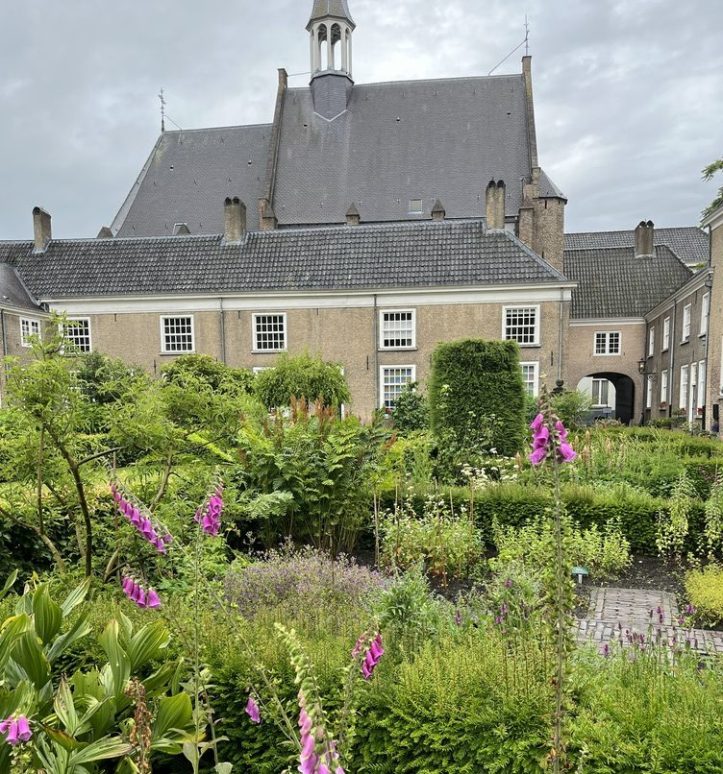
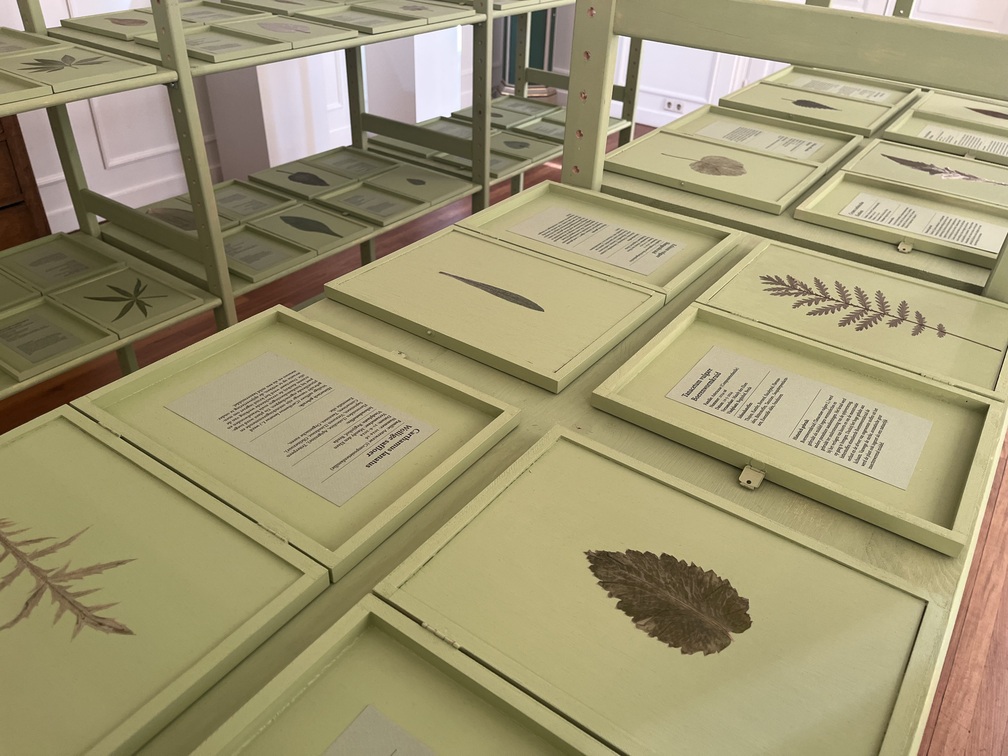
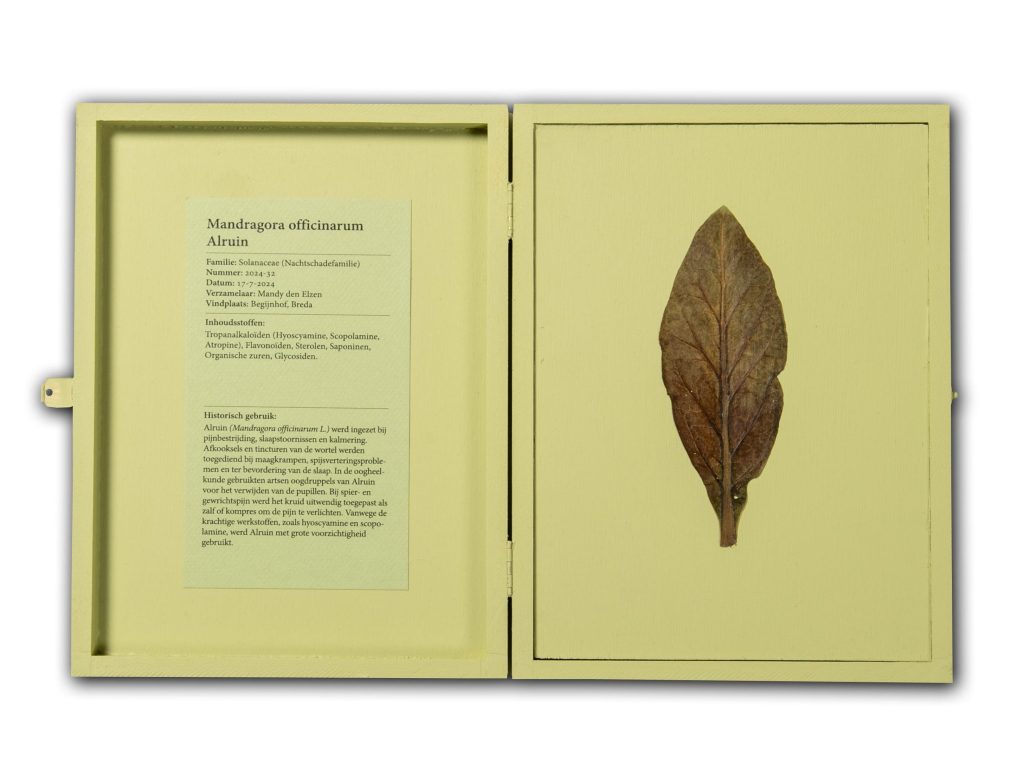
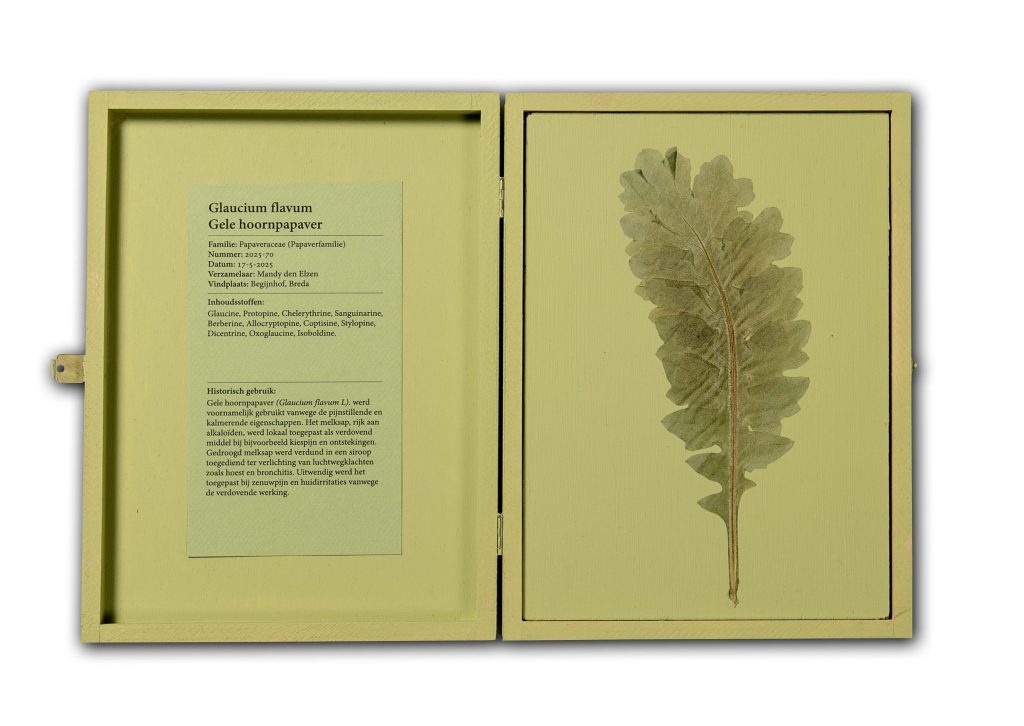
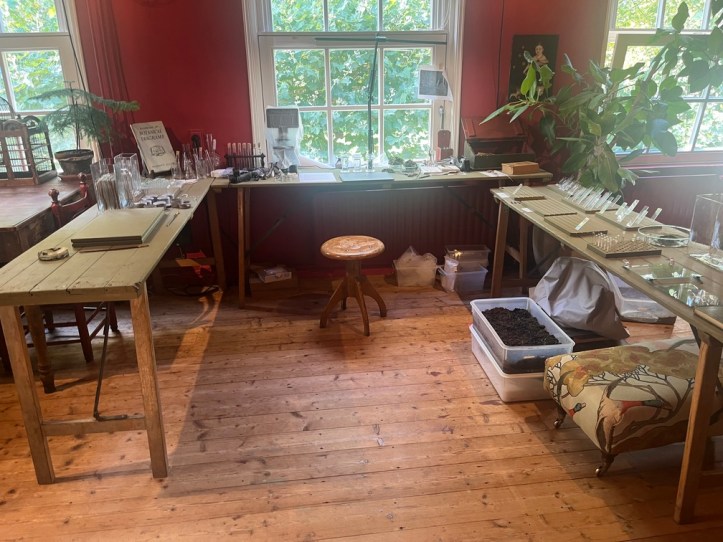
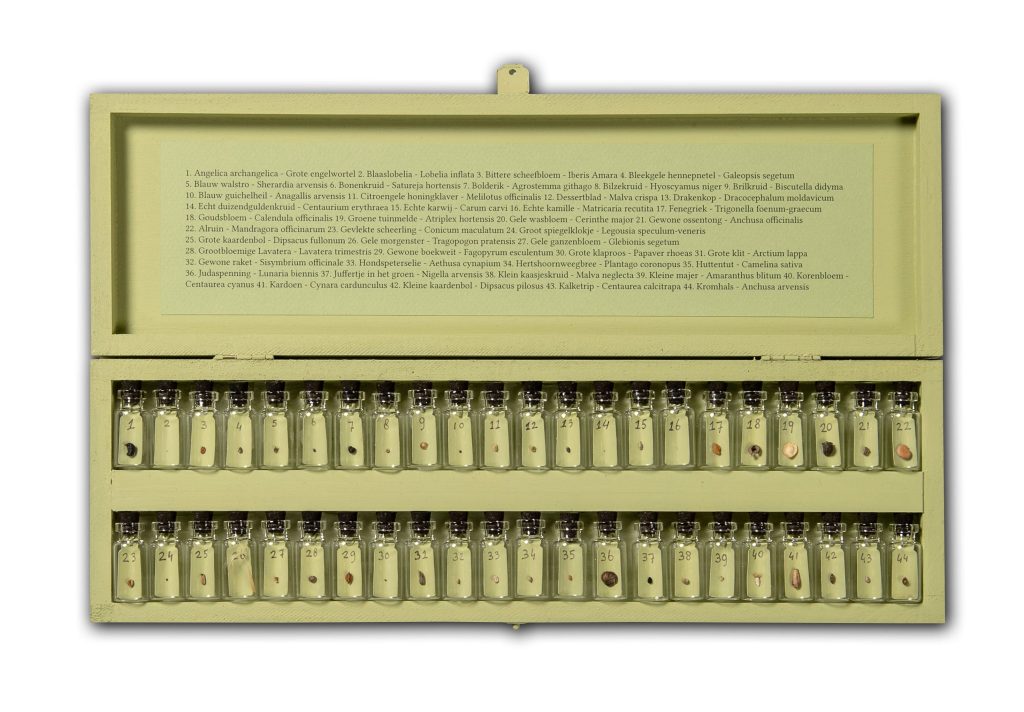
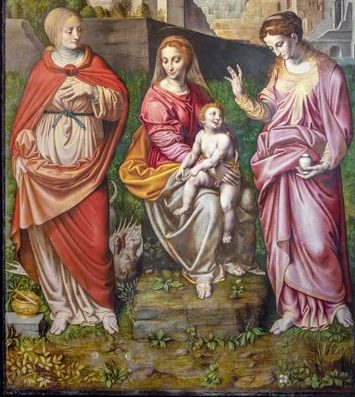
A further development emerged with Plant Chemistry, a two-year research project devoted to eighty plant species growing in Breda’s historic Begijnhof, founded in 1535. The investigation brings together chemical compounds, botanical properties and traditional medicinal knowledge associated with the Beguines. Seeds, plant substances and historical documentation form an archive exploring the complex relationship between botany and human culture. The project also considers seeds as repositories of biological information and historical practices of collecting, preserving and cultivating plants.
credit Mandy den Elzen
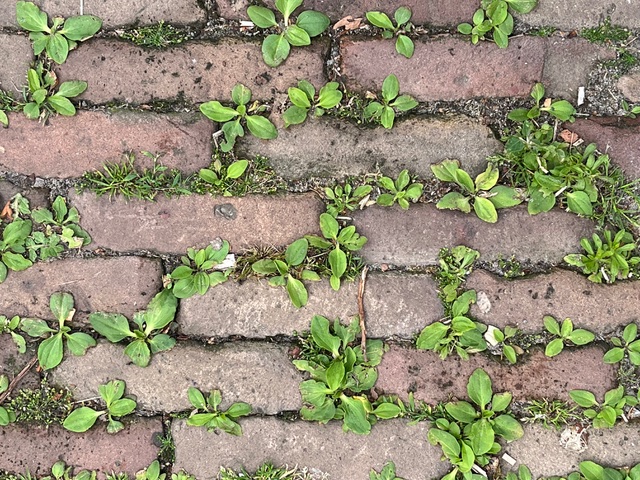
Today, this exploration continues through her research into Plantago, commonly known as ‘plantain’, a pioneering plant capable of colonising disturbed soils and environments heavily influenced by human activity. Den Elzen examines its seeds, roots, leaves, pollen, stomata and chemical compounds, including flavonoids, mucilage and iridoid glycosides. Her interest extends beyond the medicinal properties traditionally associated with the plant to the strategies through which it interacts with soil, other organisms and human activities. Through microscopic observation, even the smallest structures reveal the continuous exchanges between plants and their surroundings.
On 23 October 2026, her research was presented at the Next Nature Museum in Eindhoven as part of Towards Circular Communities, under the title From Circular Improvisation to Plantago Landscapes.
credit Fabrizio Garrisi
credit Mandy den Elzen
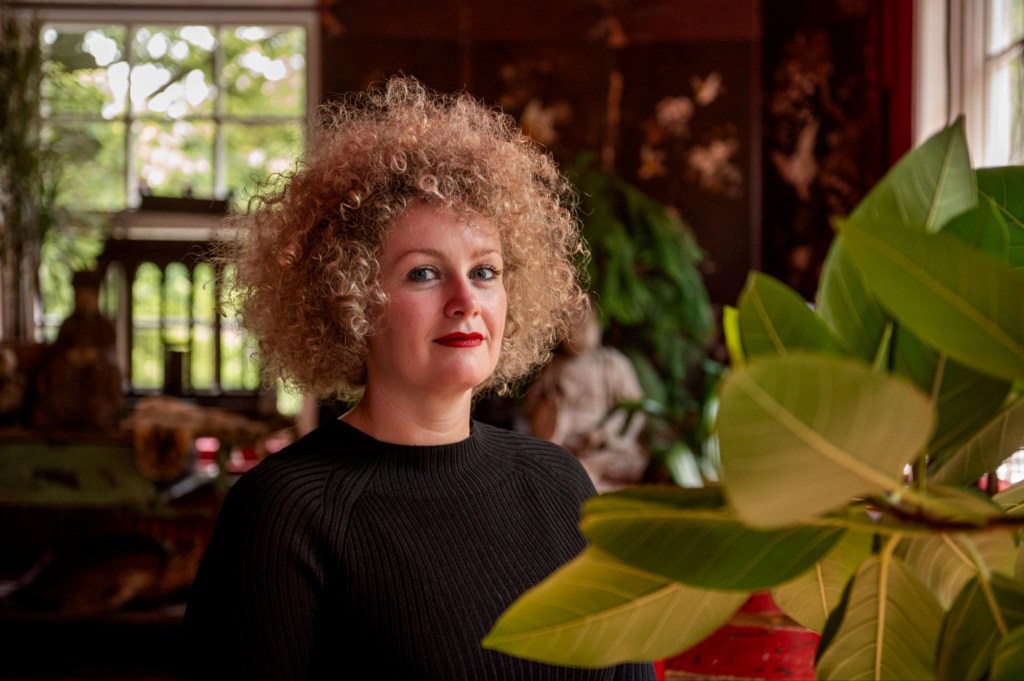
Looking ahead, from 16 January to 2 May 2027, the Natural History Museum Rotterdam will host Verborgen chemie – plantenstoffen en hun toepassingen (Hidden Chemistry: Plant Compounds and Their Applications), an exhibition presenting the results of her research into the eighty plant species of the Begijnhof.
In Mandy den Elzen’s work, a plant is never merely a specimen to be classified, but part of an intricate network of relationships. Her artistic practice invites us to move beyond a purely aesthetic perception of nature, recognising in every organism a biological, cultural and ecological history that remains open to discovery.
More info: https://mandydenelzen.com/

