Some journeys are measured not only in kilometres, but also in the richness of encounters, the discovery of landscapes and the ability to recognise traces of history. This is the spirit of the Romea Strata, an ancient network of pilgrimage routes connecting Central and Eastern Europe with Rome, the heart of Christianity, crossing seven countries from Lithuania to Italy. In 2025, it was awarded certification as a Cultural Route of the Council of Europe, recognising its historical, artistic and spiritual heritage.
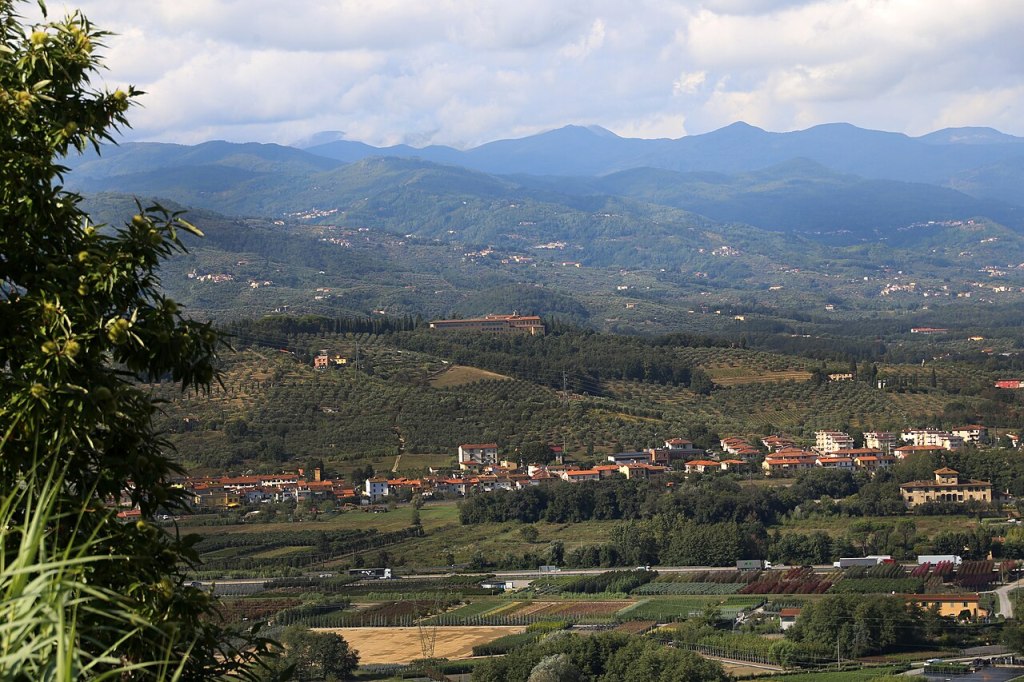
More than a single road, the Romea Strata is a network of routes travelled over the centuries by merchants, travellers and pilgrims, facilitating the exchange of knowledge and traditions. In Italy, the network extends for more than 1,400 kilometres, crossing seven regions from Friuli Venezia Giulia to Lazio. One of the most important Tuscan section, from Pistoia to Fucecchio, passes through the hills of Montalbano and the lands of Leonardo da Vinci, offering a route of particular cultural and scenic interest, where architectural heritage, botanical culture and landscape intertwine to tell the story of the region.
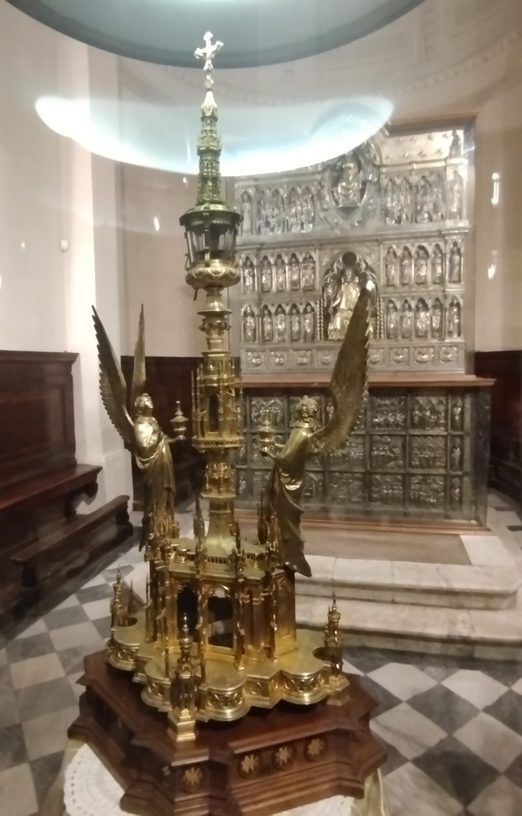
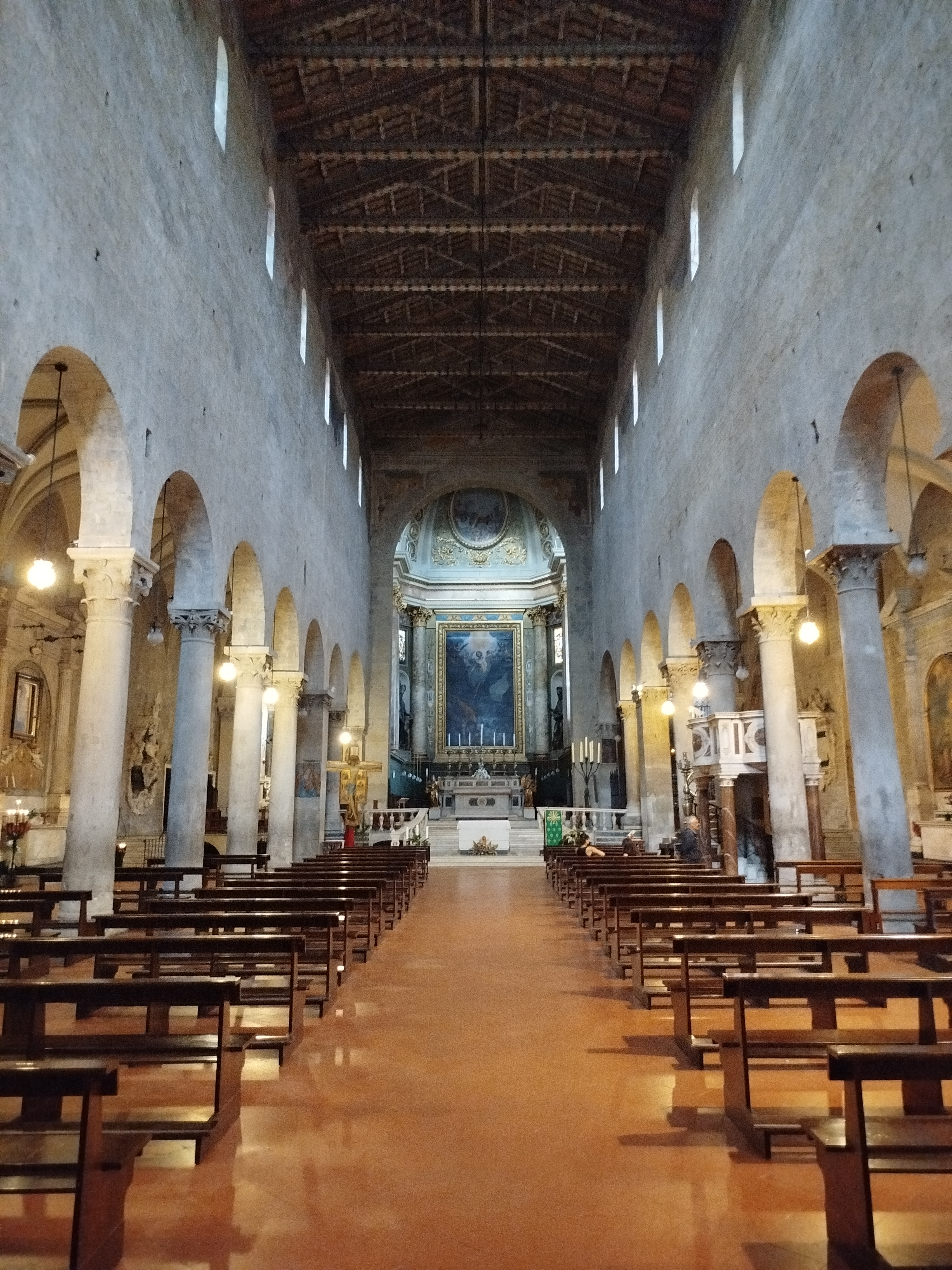
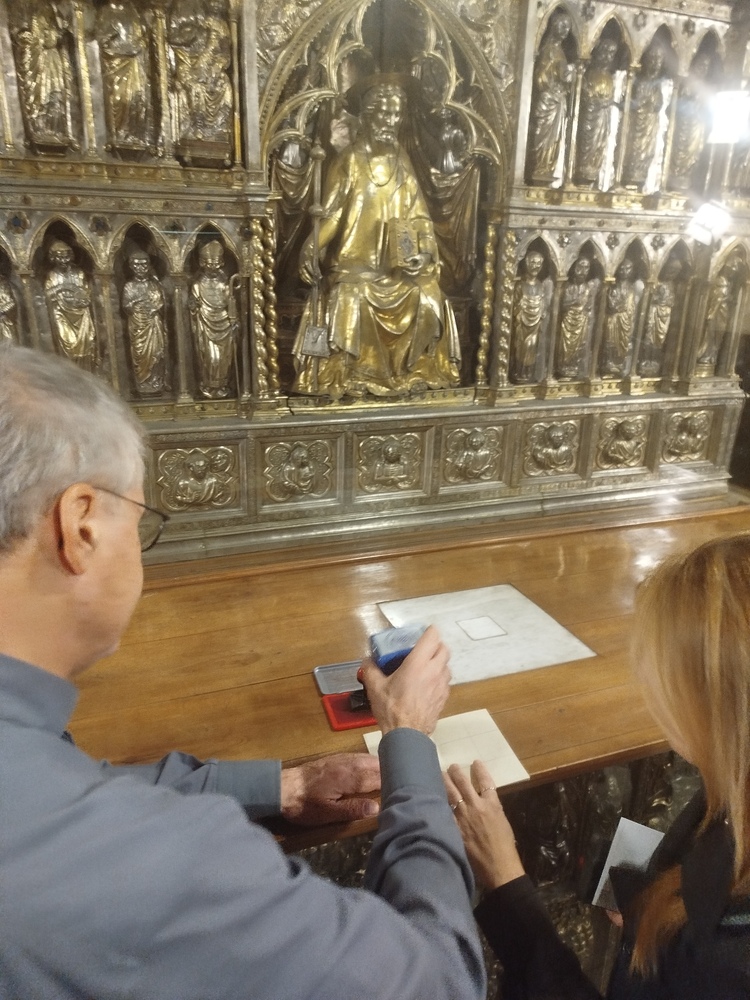
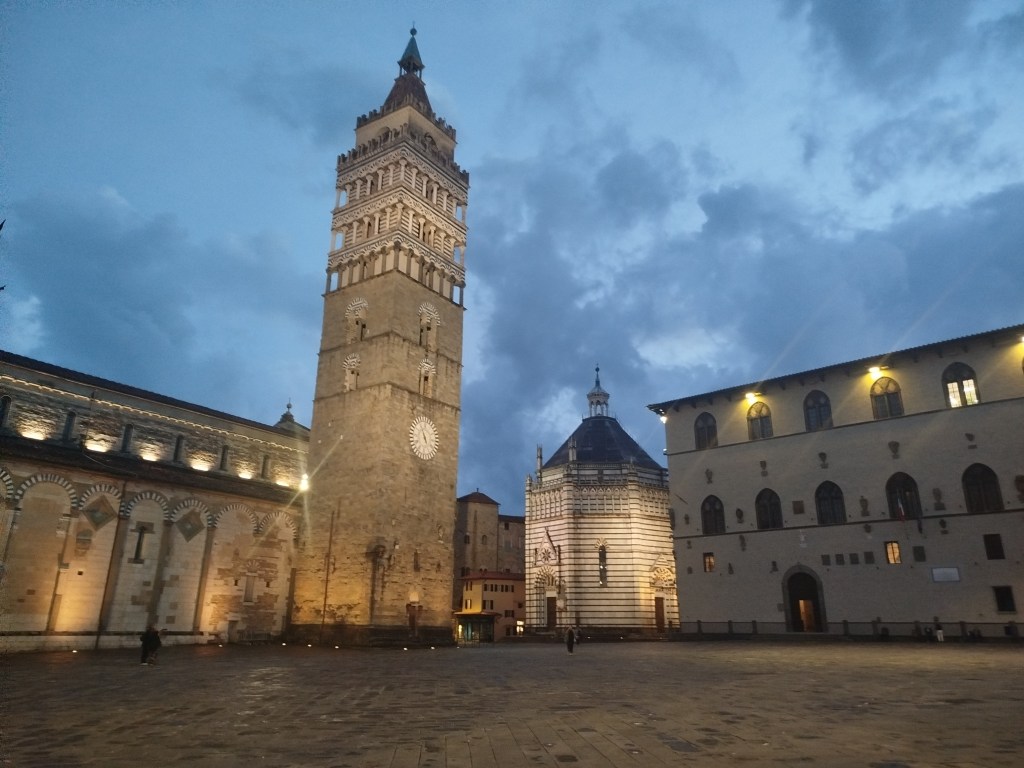
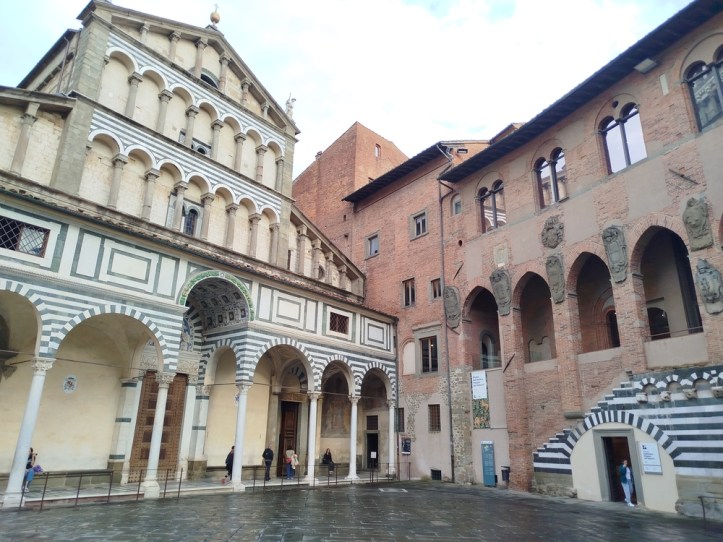
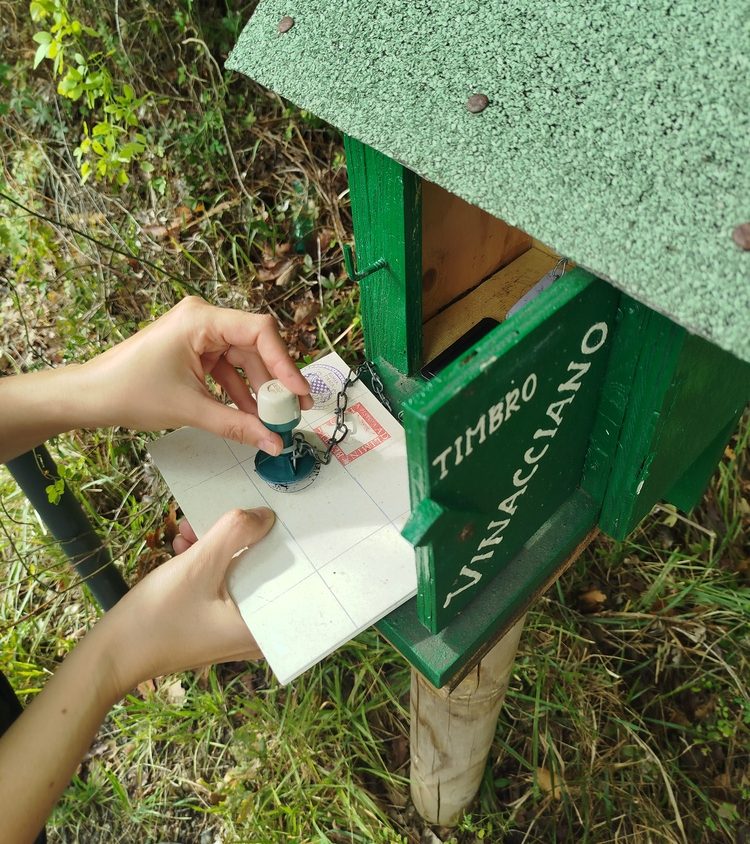
The journey begins in Pistoia, a city with a strong medieval identity and one of Europe’s leading plant nurseries districts. In Piazza Duomo, the Cathedral of San Zeno preserves an artistic heritage that bears witness to centuries of devotion, including the precious silver altar of Saint James, whose creation began in 1287 and continued over the following centuries. It also houses a reliquary attributed to Lorenzo Ghiberti, dating to 1407, which contains a relic of the saint: a parietal bone. Pilgrims can obtain the official Romea Strata stamp for their pilgrim passport, as well as the Miliarium, a special mark commemorating their journey along the route.
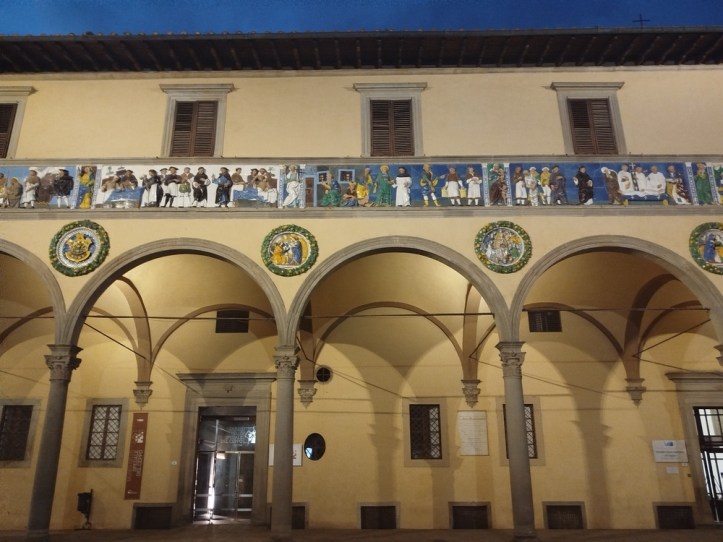
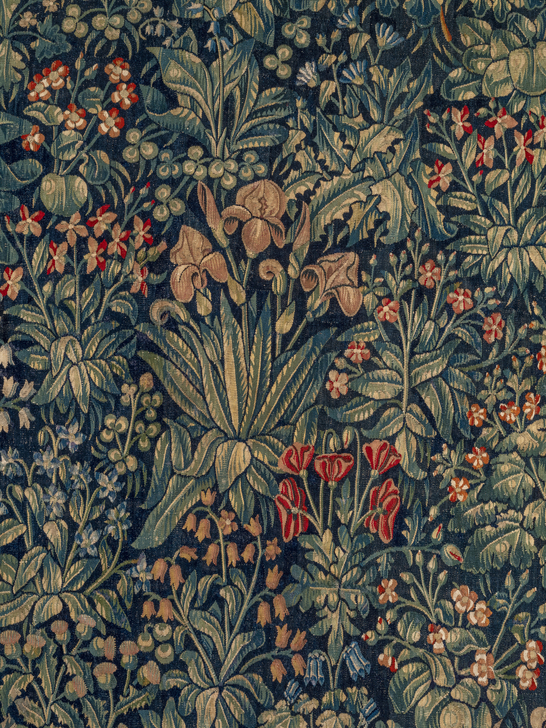
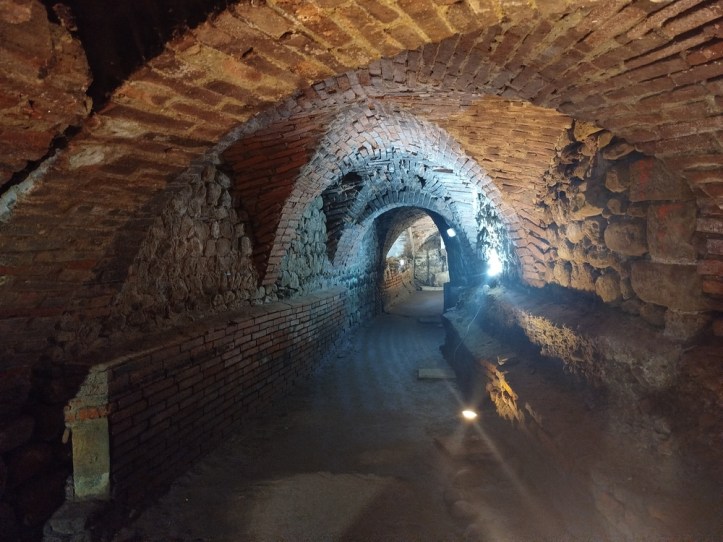
A short distance away, the Spedale del Ceppo tells the story of the city’s long tradition of care and hospitality. Its façade is adorned with a glazed terracotta frieze depicting the Seven Works of Mercy, created in the sixteenth century. Beneath the historic hospital, the city’s history can also be explored below street level at Pistoia Sotterranea, an underground route following the course of the ancient Brana stream. Here, traces of urban transformation emerge through bridges, hydraulic structures and evidence of former productive activities, brought to light thanks to the passion and dedication of Gianluca Iori, an architect and a scholar of history and archaeology. Inspired by a childhood fascination, he devoted eighteen years, together with a team of local volunteers, to uncovering Pistoia’s ancient underground passages and revealing a hidden chapter of the city’s history. At the Antico Palazzo dei Vescovi, close to the Cathedral, meanwhile, the Millefiori Tapestry, a precious Flemish work from the early sixteenth century, displays a rich composition of flowers and animals. Roses, carnations, violets and other botanical species evoke a world of plants that resonates with the horticultural vocation of the Pistoia area.
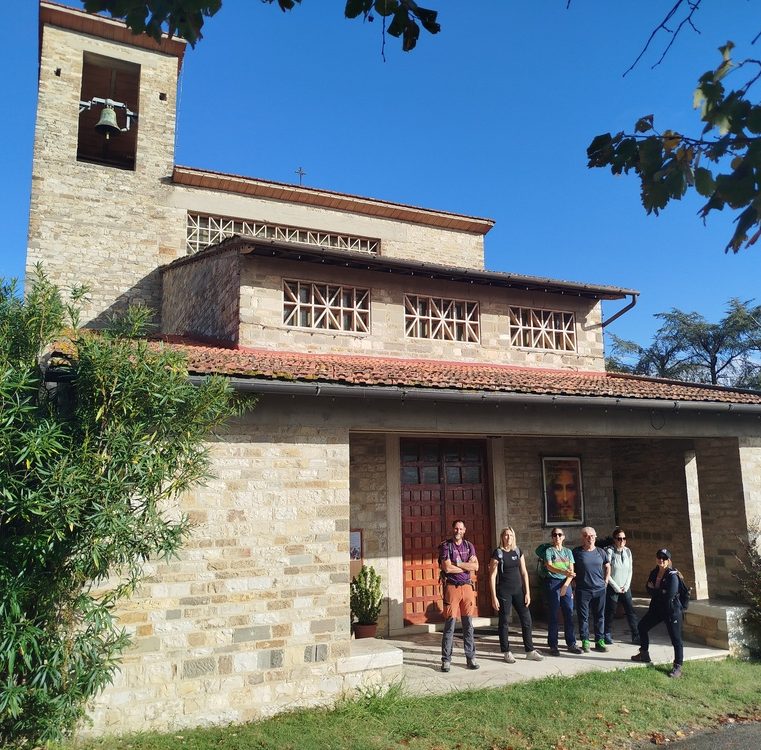
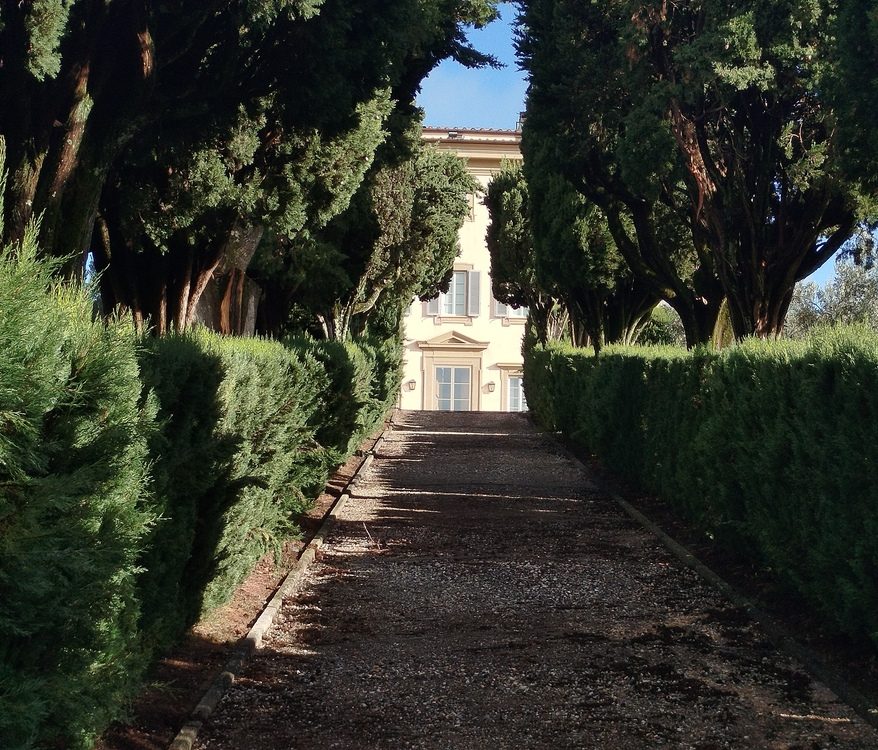
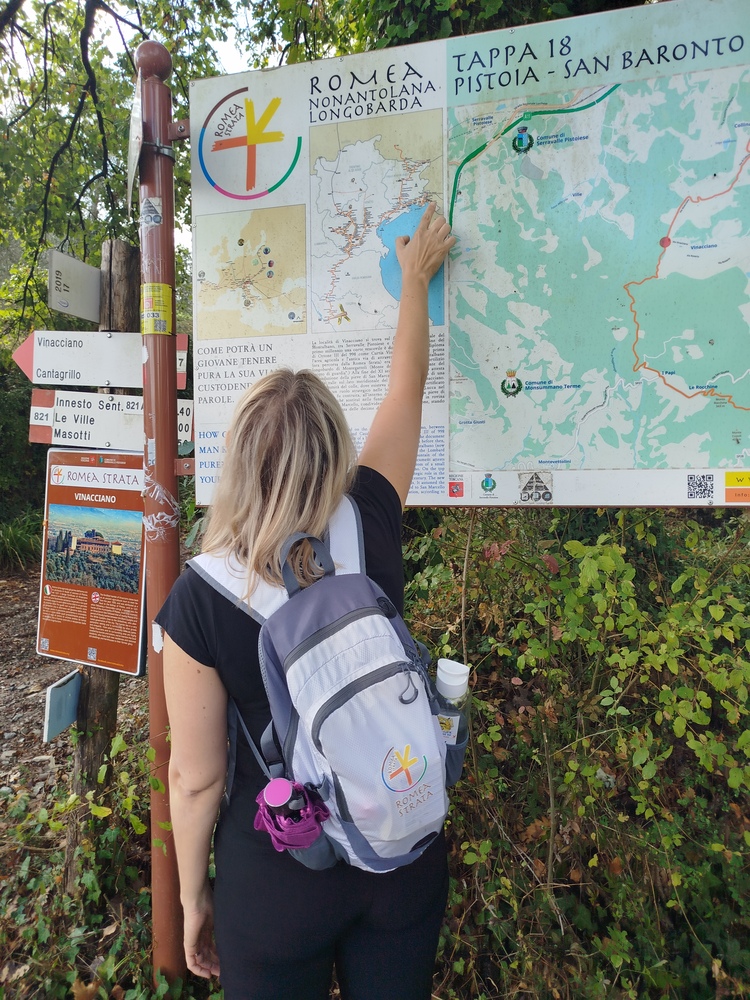
Leaving the city behind, the route winds through the Tuscan countryside, passing the Church of Saints Peter and Jerome, designed by architect Giovanni Michelucci. Set in an isolated position along the ridge, the church reflects Michelucci’s sensitivity to the surrounding landscape, with its understated stone architecture, sloping roof and natural light illuminating the presbytery. The route continues past Villa di Fontana, a historic noble residence featuring a three-storey central building flanked by two lower wings and a front garden. From Pontelungo Hill, pilgrims can enjoy views across the countryside towards Vinacciano.
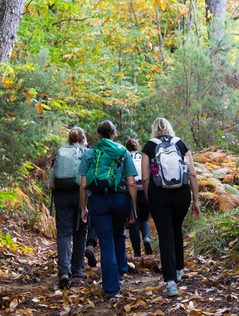
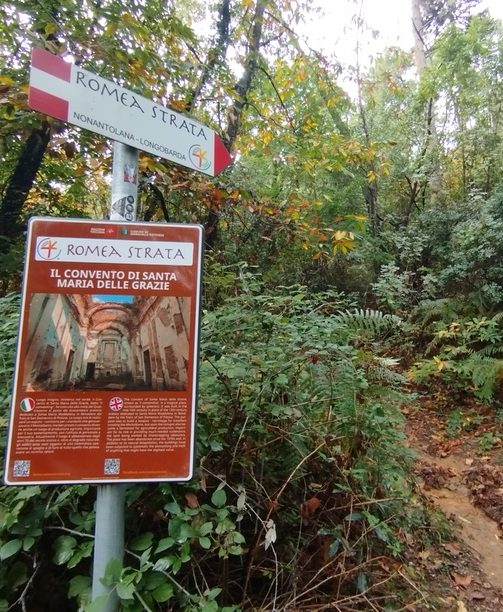
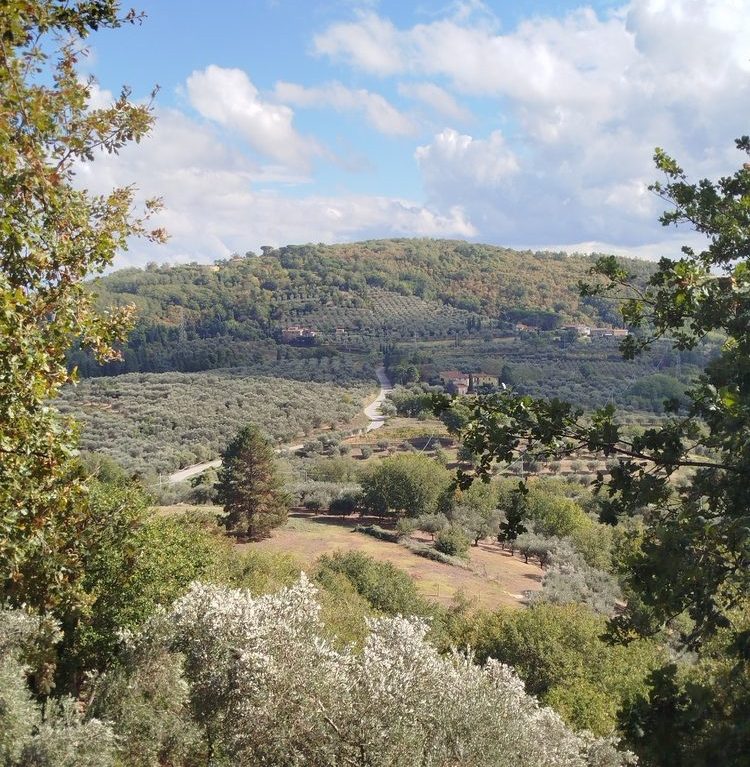
The route winds through the hills of Montalbano, where woodlands, olive groves and small settlements accompany pilgrims towards San Baronto, a place associated with the tradition of the French hermit after whom it is named, where the Romanesque church preserves a fascinating crypt, one of the oldest and most evocative testimonies of the area’s religious heritage. Here, the spiritual dimension of the journey meets rural life, expressed through cultivated landscapes and activities that preserve the region’s enduring relationship with the land.
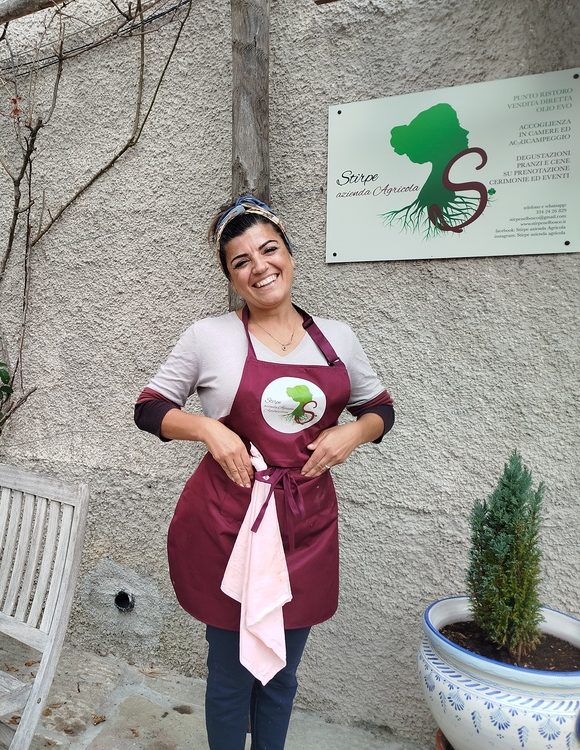
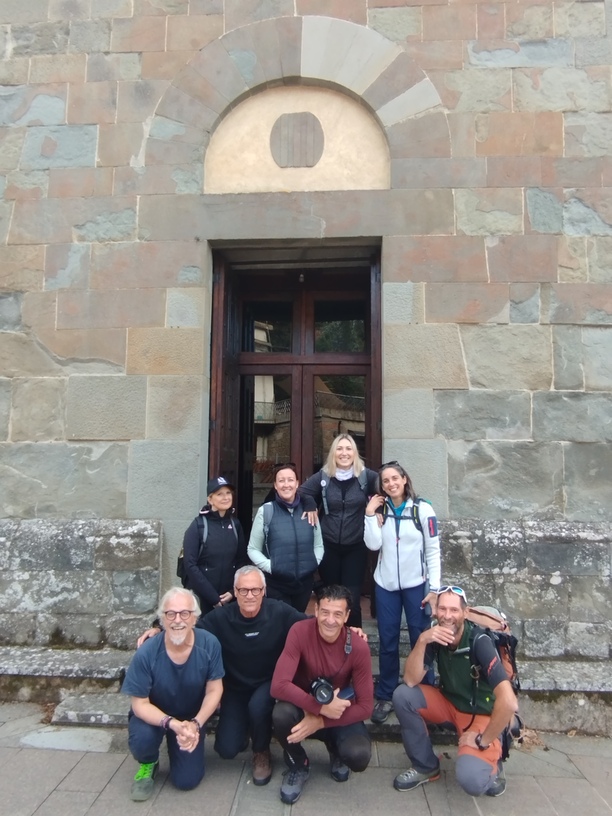
Among these places is Stirpe, a farm and hospitality retreat nestled in the countryside, founded by Rowena Giacomelli. After studying and working in the socio-artistic field, an illness she faced before the age of thirty prompted her to reconsider her life and pursue her dream of living close to nature and animals. Today, Stirpe combines agricultural production, extra virgin olive oil, animal husbandry and rural hospitality, welcoming walkers and pilgrims. Her personal story illustrates how a connection with a place can become a new life project and a way of contributing to the region’s cultural and environmental vitality.
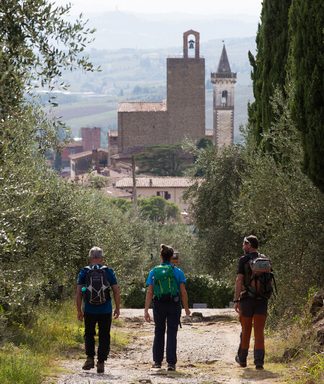
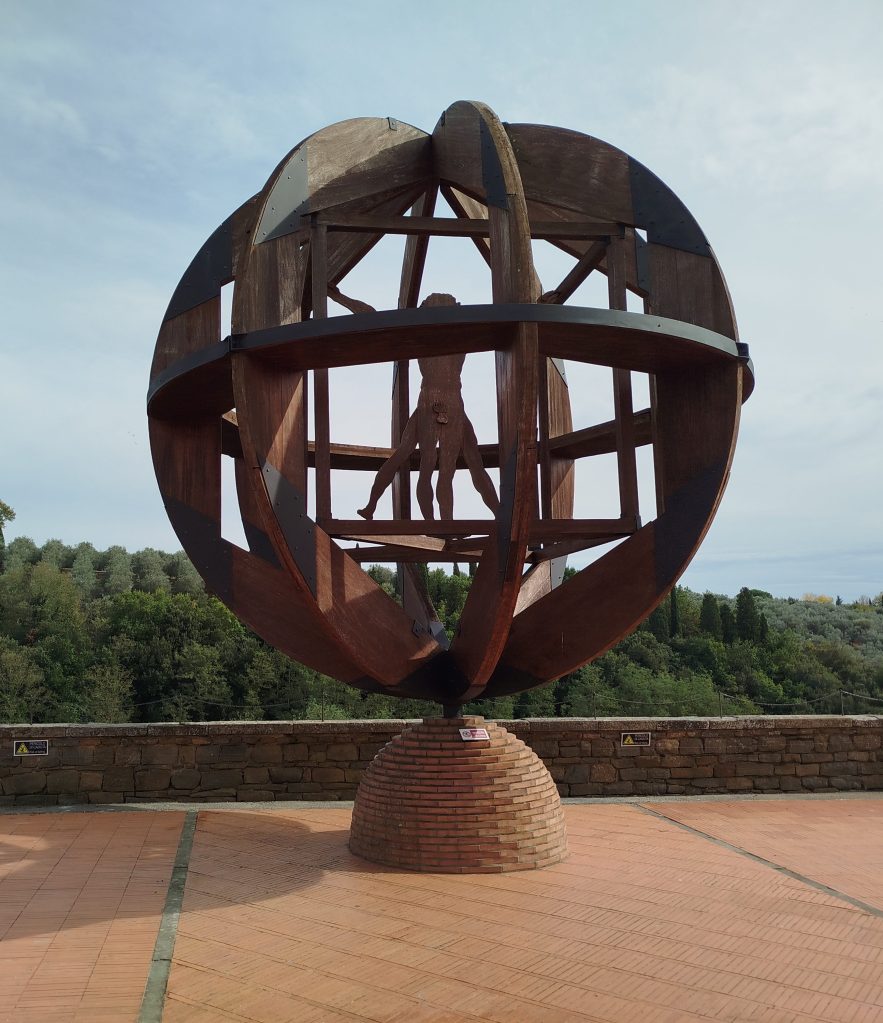
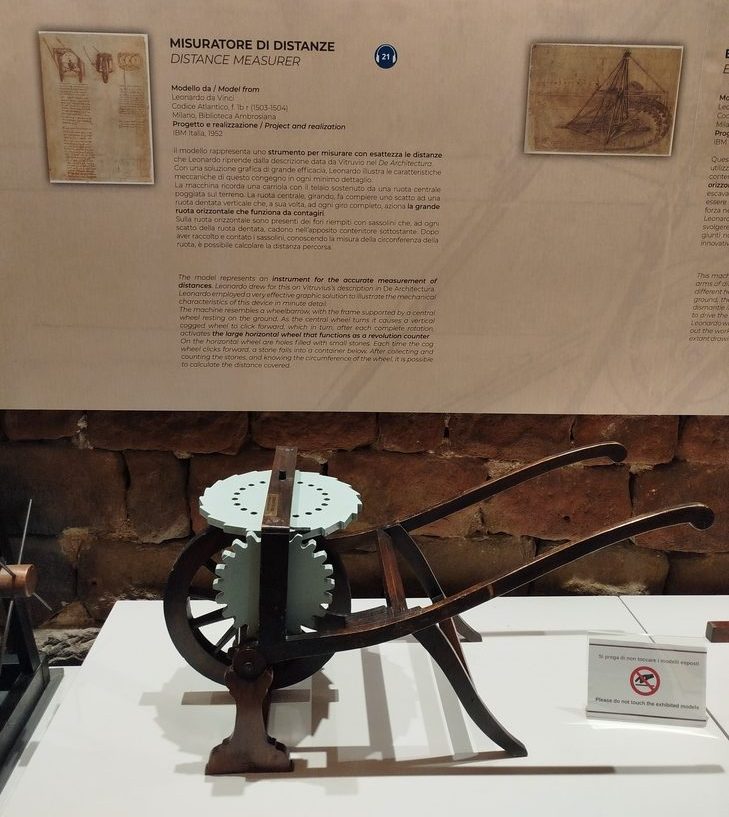
Continuing towards Vinci, the landscape leads into the lands of Leonardo da Vinci. In Anchiano, Leonardo’s birthplace offers a glimpse into the origins of the Renaissance genius, while the Leonardo Museum in the historic centre explores his work through models and reconstructions of his inventions. Machines, mechanical studies and engineering concepts reveal a curious mind that observed nature and translated its principles into knowledge. Here, the landscape is more than a backdrop: it forms part of the culture of observation that helped shape Leonardo’s thinking.
credit Max Rella
credit TFJ
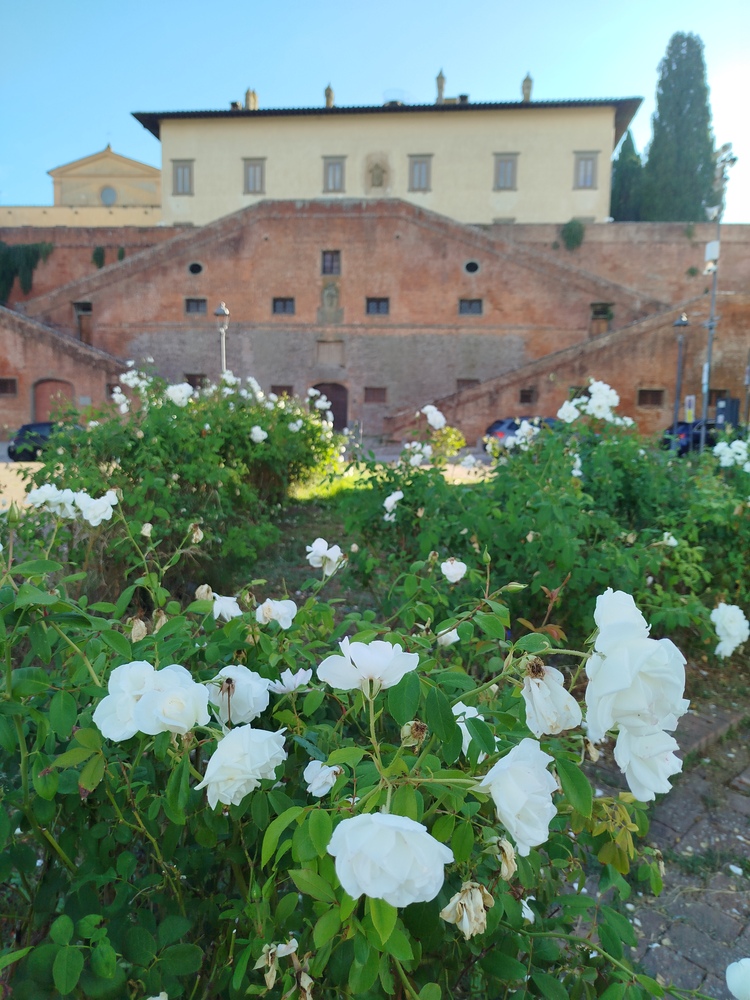
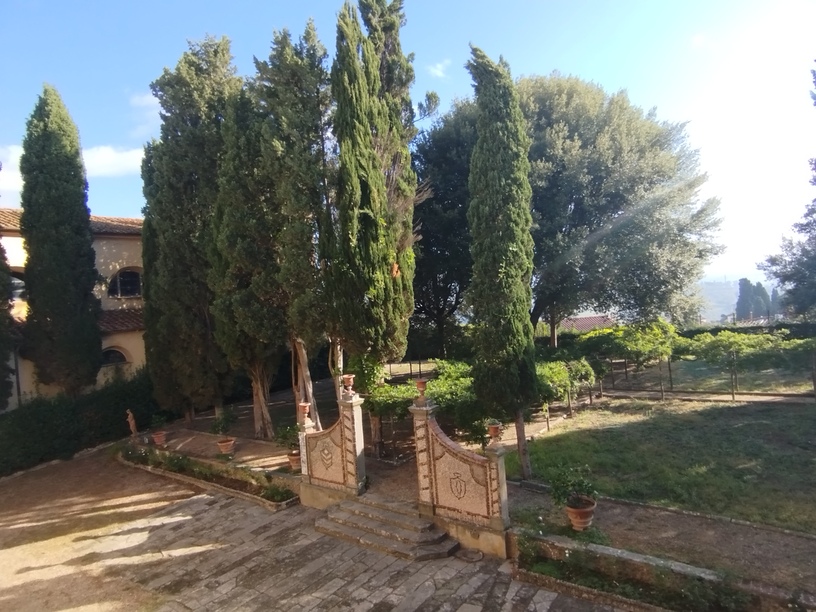
The route then reaches Cerreto Guidi, dominated by the Medici Villa, UNESCO World Heritage Site, commissioned by Cosimo I de’ Medici as a hunting residence and a strategic base for controlling the surrounding territory, particularly the Padule di Fucecchio area. Built between 1564 and 1566, the villa is distinguished by its monumental symmetrical access ramps, known as the Ponti Medicei (Medici Ramps), traditionally attributed to Bernardo Buontalenti. At the rear, the Italian-style garden, in its eighteenth-century layout, is divided into four flowerbeds and shaded by a centuries-old wisteria. The surrounding cypress trees were planted in the late nineteenth century.
credit TFJ
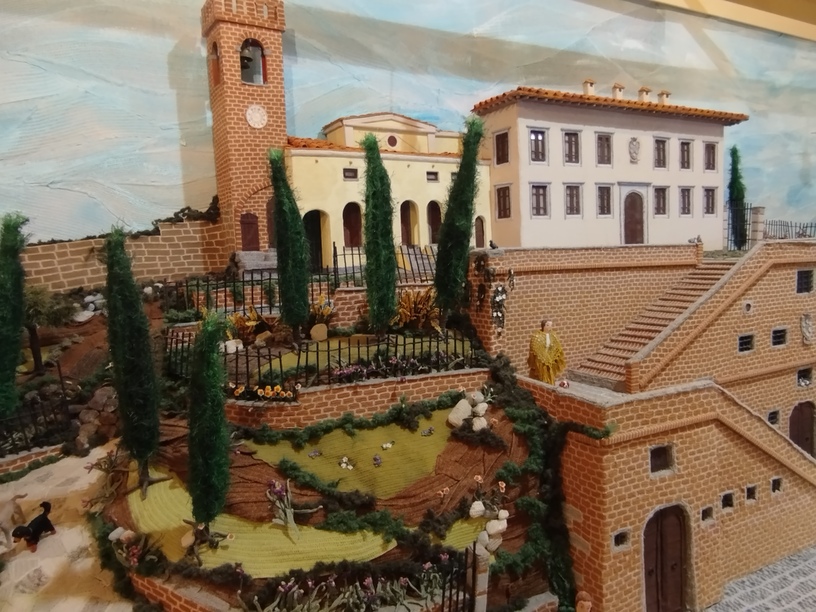
In Cerreto Guidi, creativity also finds expression in a contemporary form of craftsmanship. The collective project Le Dame dell’Uncinetto (The Crochet Ladies), associated with Gessica Mancini, transforms crochet into a means of sharing and resilience. Following her diagnosis of Parkinson’s disease at the age of forty, Mancini discovered a new form of creative expression through this practice. What began with the making of a nativity scene developed into collective projects reproducing Tuscan monuments and landscapes in cotton, creating an original dialogue between craftsmanship, memory and local identity.
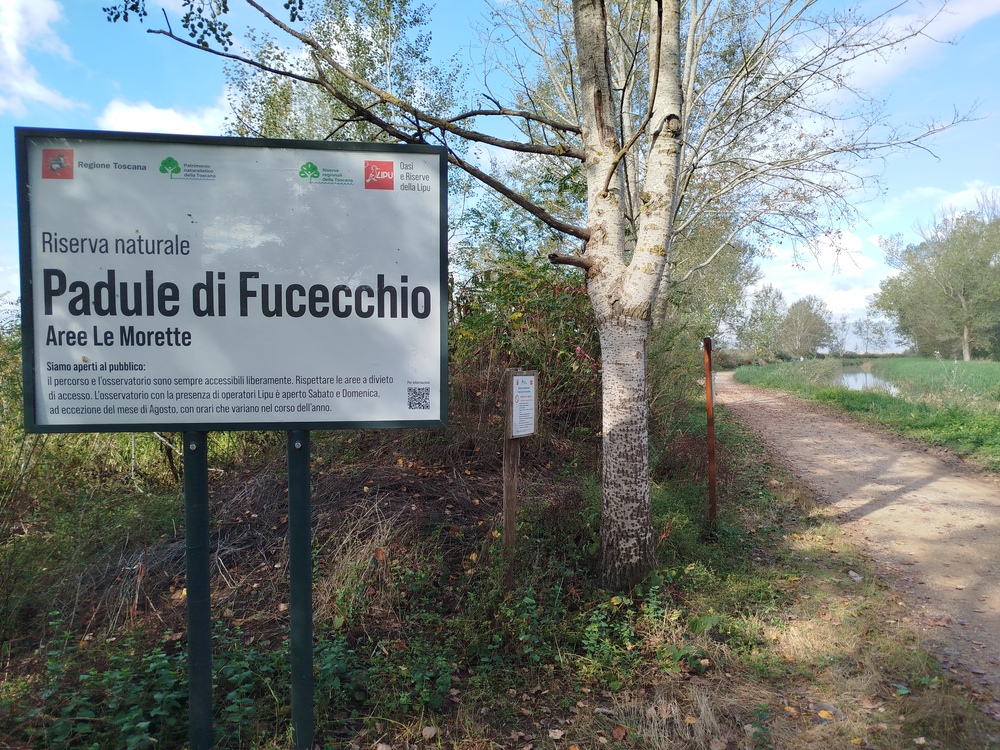
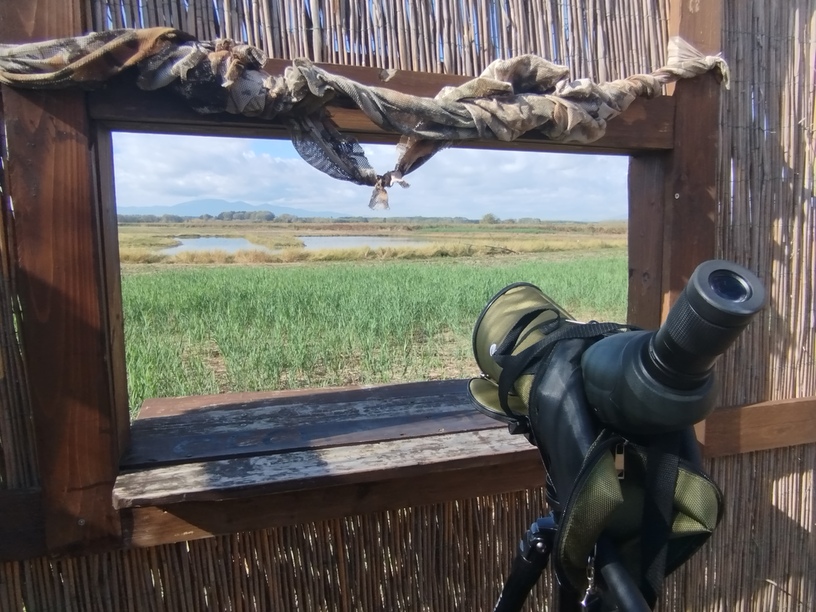
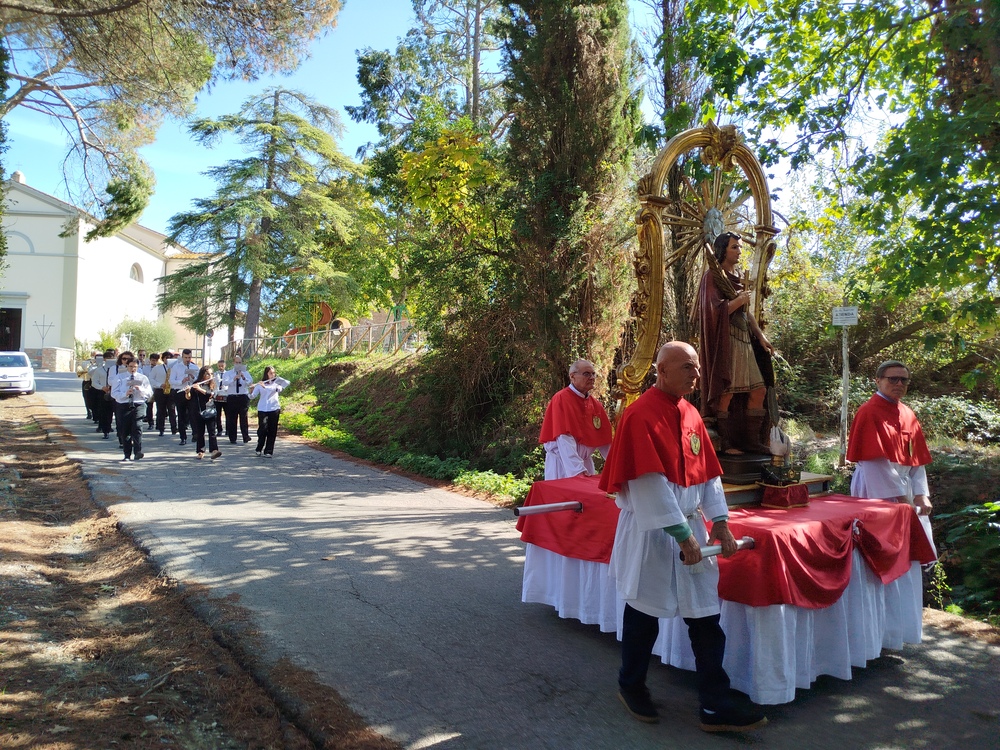
The stop at Fucecchio brings the journey into a territory shaped by centuries of movement and intersecting routes. Fucecchio offers pilgrims another opportunity to collect a Romea Strata stamp or Miliarium on their journey towards Rome, where they can receive the Testimonium, the certificate marking the completion of their pilgrimage. Nearby lies the Padule di Fucecchio (Fucecchio March Nature Reserve), one of central Italy’s most important wetlands and a valuable habitat for numerous bird species and other wildlife. Water, reed beds and marshland create a landscape very different from the hills encountered earlier, yet equally important in understanding the relationship between human communities and the environment. The journey concludes in Castelmartini, at the Church of San Donnino Martire, dedicated to the patron saint of pilgrims and wayfarers, a symbol of the spirit of hospitality that inspires the Romea Strata.
From Pistoia’s works of art to the countryside of Montalbano, from the lands of Leonardo to the wetlands of the Padule, the Romea Strata reveals a heritage that extends beyond individual monuments. It is a cultural landscape in which nature, history and spirituality continue to interact, inviting visitors to discover Tuscany with an attentive eye, not only for its places but also for the people who preserve them.
More info: https://www.romeastrata.org/

